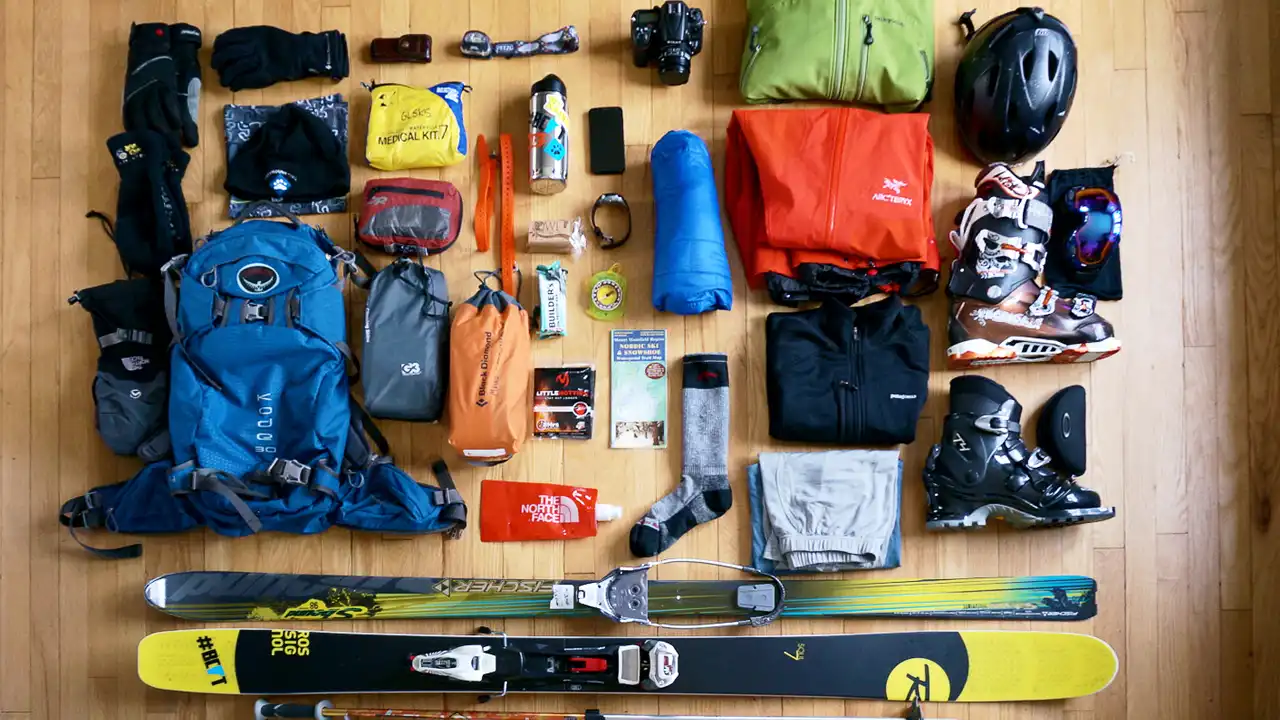
Stay warm with heated apparel for winter sports. Jackets, gloves, and socks with integrated heating elements. Winter sports are exhilarating, but the biting cold can quickly turn a thrilling day into a miserable one. For years, enthusiasts have layered up, but even the best insulation has its limits. Enter heated apparel – a game-changer for anyone who braves the cold. This innovative gear, equipped with integrated heating elements, promises to keep you toasty, extending your time outdoors and enhancing your overall experience. But what exactly is heated apparel, how does it work, and which pieces are essential for your winter adventures?
Understanding Heated Apparel Technology and Benefits
Heated apparel isn't just a gimmick; it's a sophisticated blend of textiles and electronics designed to provide consistent warmth. At its core, this technology involves thin, flexible heating elements, typically made from carbon fiber or metallic alloys, strategically placed within the fabric. These elements are powered by compact, rechargeable lithium-ion batteries, which are usually discreetly tucked into pockets or integrated into the garment's design. A small controller, often a button on the garment itself or a smartphone app, allows you to adjust the heat settings, giving you precise control over your comfort.How Heated Apparel Works The Science of Warmth
When you activate the heating elements, an electrical current flows through them, generating warmth through resistance. This warmth is then distributed evenly across the heated areas, directly warming your body. Unlike traditional insulation, which merely traps your body heat, heated apparel actively generates heat, making it incredibly effective in extreme cold or when your body isn't producing enough warmth on its own. The batteries typically offer several hours of heat, depending on the setting, and are designed to be lightweight and unobtrusive.Key Benefits of Heated Gear Enhanced Comfort and Performance
The advantages of heated apparel for winter sports are numerous. First and foremost, it provides unparalleled comfort. No more shivering on the chairlift or cutting your ski day short because your fingers are numb. This enhanced comfort directly translates to improved performance. When your body is warm, your muscles remain more pliable, reducing the risk of injury and allowing for better agility and control. Furthermore, staying warm helps maintain focus, which is crucial for safety in challenging winter environments. For those prone to Raynaud's phenomenon or poor circulation, heated gear can be a true lifesaver, preventing painful cold-induced symptoms.Essential Heated Apparel Pieces for Winter Sports Enthusiasts
While you can find heated versions of almost any garment, some pieces are more critical than others for winter sports, targeting areas most susceptible to cold.Heated Jackets and Vests Core Warmth Solutions
Heated jackets and vests are perhaps the most popular and versatile pieces of heated apparel. They focus on warming your core, which is vital for maintaining overall body temperature. Many models feature heating elements in the back, chest, and sometimes the collar. They come in various styles, from lightweight liners to heavy-duty outer shells, making them suitable for different activities and weather conditions.Recommended Heated Jackets and Vests for Skiing and Snowboarding
- ORORO Men's Heated Jacket with Detachable Hood: This jacket is a popular choice for its versatility and effective heating. It features three carbon fiber heating elements across the left chest, right chest, and mid-back, with three heat settings. The detachable hood adds flexibility. It's made with a durable water-resistant fabric, making it suitable for snowy conditions. The 7.4V UL/CE-certified battery provides up to 10 hours of warmth on the lowest setting. It's a great all-rounder for resort skiing or general winter use. Price: Around $180-$220.
- Gerbing S7 Heated Vest: Gerbing is a well-known name in heated gear, especially for motorcyclists, and their vests are equally effective for winter sports. The S7 vest is lightweight and designed to be worn as a mid-layer. It uses Microwire heating technology for even heat distribution across the chest and back. It's powered by a 7V lithium-ion battery that offers up to 8 hours of heat. This vest is ideal for layering under your existing ski jacket, providing targeted core warmth without bulk. Price: Around $150-$180.
- Milwaukee M12 Heated AXIS Jacket: For those who value durability and integration with power tool battery systems, Milwaukee's heated jackets are excellent. The AXIS jacket is made from a durable, ripstop polyester and features carbon fiber heating elements in the chest, back, and shoulders. It's powered by Milwaukee's M12 REDLITHIUM battery, offering up to 8 hours of run time. While a bit heavier than some dedicated ski jackets, its ruggedness makes it perfect for colder, more demanding conditions or even for pre- and post-skiing warmth. Price: Around $200-$250 (jacket only, battery/charger sold separately).
Heated Gloves and Mittens Hand Warmth for Dexterity
Cold hands can quickly ruin a day on the slopes. Heated gloves and mittens are designed to keep your fingers and thumbs warm, maintaining dexterity and comfort. The heating elements typically run along the back of the hand and around the fingers, ensuring comprehensive warmth. Mittens generally offer more warmth than gloves due to less surface area exposed to the cold and better heat retention.Top Picks for Heated Gloves and Mittens for Skiing and Snowboarding
- Outdoor Research Lucent Heated Sensor Gloves/Mittens: Outdoor Research is renowned for its quality outdoor gear, and their Lucent series is a top performer in heated handwear. They use ALTIHeat technology, providing consistent warmth across the back of the hand and fingers. They are waterproof and breathable, making them excellent for harsh conditions. The rechargeable lithium-ion batteries offer up to 8 hours of heat on the low setting. Available as both gloves and mittens, with mittens generally offering superior warmth. Price: Around $250-$300.
- Hestra Power Heater Gauntlet Mittens: Hestra is a premium brand known for its exceptional ski gloves, and their heated options are no exception. The Power Heater Gauntlet Mittens feature integrated heating coils that warm the back of the hand and fingers. They are made with durable goat leather and a waterproof CZone membrane. The batteries are discreetly integrated and provide up to 10 hours of heat. These are a significant investment but offer unparalleled warmth and durability for serious winter enthusiasts. Price: Around $400-$450.
- Savior Heat Heated Gloves: Savior Heat offers a more budget-friendly option without compromising too much on performance. Their heated gloves feature heating elements covering the entire back of the hand and fingers. They are made with a waterproof and windproof outer shell and a soft inner lining. The 7.4V lithium-ion batteries provide up to 6-7 hours of heat. These are a great entry-level option for those looking to try heated gloves without breaking the bank. Price: Around $100-$150.
Heated Socks and Boot Liners Foot Comfort in Cold Conditions
Cold feet are a common complaint, especially when wearing ski or snowboard boots. Heated socks and boot liners provide targeted warmth to your feet, preventing numbness and discomfort. The heating elements are usually located under the toes and sometimes extend to the ball of the foot. They are thin enough to fit comfortably inside your boots without adding bulk.Best Heated Socks and Boot Liners for Skiing and Snowboarding
- Thermic Heat Sock Set: Thermic is a leader in heated foot solutions. Their Heat Sock Set includes high-quality, anatomically designed socks with integrated heating elements under the toes. They are made from a blend of synthetic fibers for warmth and moisture-wicking. The compact batteries attach to the top of the sock and provide up to 14 hours of heat on the lowest setting. They are a favorite among serious skiers and snowboarders. Price: Around $200-$250.
- Lenz Heated Socks 5.0 Toe Cap: Lenz is another highly respected brand in heated apparel. Their 5.0 Toe Cap socks feature a unique heating element that completely encloses the toes, providing superior warmth. They are made with a comfortable merino wool blend and are designed for a snug fit. The lithium-ion batteries offer up to 14 hours of heat and can be controlled via a smartphone app. These are premium socks for maximum foot warmth. Price: Around $250-$300.
- Hotronic FootWarmer S4+ Set: While not socks, Hotronic offers heated boot liners and foot warmers that are incredibly effective. The S4+ set includes heating elements that adhere to the bottom of your boot liner, directly under your toes. These are powered by rechargeable battery packs that clip onto your boot. They are a durable and long-lasting solution for chronic cold feet in ski boots. Price: Around $180-$220.
:max_bytes(150000):strip_icc()/277019-baked-pork-chops-with-cream-of-mushroom-soup-DDMFS-beauty-4x3-BG-7505-5762b731cf30447d9cbbbbbf387beafa.jpg)