Handle minor repairs on the go with essential ski and snowboard repair kits. Fix dings and scratches quickly. There's nothing worse than a perfect powder day being cut short by a minor equipment malfunction. A small ding on your base, a loose binding screw, or a torn edge can quickly turn a dream day into a frustrating one. That's where a well-stocked ski and snowboard repair kit comes in handy. These kits are your portable workshop, allowing you to perform quick fixes on the mountain or back at the lodge, ensuring you spend more time shredding and less time sidelined.
Ski and Snowboard Repair Kits Essential Tools for On The Go Fixes
Whether you're a seasoned pro hitting the backcountry or a casual weekend warrior enjoying the groomed runs, your skis or snowboard take a beating. Rocks, ice, and general wear and tear can lead to minor damage that, if left unaddressed, can worsen and impact your performance or even safety. Having the right tools for on-the-go repairs is not just about convenience; it's about extending the life of your gear and maximizing your time on the snow. This comprehensive guide will walk you through the essential components of a good repair kit, recommend specific products, discuss their uses, and even touch on pricing to help you build your ultimate portable repair arsenal.
Why Carry a Ski and Snowboard Repair Kit Understanding the Benefits
Many riders might think, 'Why bother with a repair kit? I can just take it to a shop.' While professional tuning and major repairs are best left to the experts, a repair kit empowers you to handle common issues that arise unexpectedly. Imagine you're miles from the nearest rental shop, and a binding screw loosens. Without a screwdriver, your day is over. With a compact kit, you can tighten it up in minutes and get back to enjoying the slopes. This self-sufficiency saves you time, money, and prevents minor problems from escalating into costly repairs. It's also a great way to learn more about your equipment and become a more knowledgeable and prepared rider.
Essential Tools for Every Ski and Snowboard Repair Kit What You Need
A basic repair kit doesn't need to be overly complex or expensive. The key is to have the right tools for the most common issues. Here's a breakdown of what you should consider including:
P1 Screwdriver for Binding Adjustments and Repairs
This is arguably the most crucial tool in any ski or snowboard repair kit. Most binding screws use a P1 (Pozidriv) head. A multi-tool with a P1 bit is ideal, or a dedicated P1 screwdriver. You'll use this for tightening loose binding screws, adjusting binding angles, or even making minor stance adjustments on the fly. A loose binding can be dangerous, so having this tool readily available is paramount.
P3 Screwdriver for Larger Binding Screws and Snowboard Bindings
While P1 is common, some larger binding screws, especially on snowboard bindings, might require a P3 (Pozidriv) head. Check your specific bindings to see which size you need, or opt for a multi-tool that includes both. Having both ensures you're prepared for any binding-related issue.
Flathead Screwdriver for Scraper and Edge Work
A small flathead screwdriver can be surprisingly versatile. It's useful for prying open binding levers, scraping off excess wax, or even carefully cleaning out gunk from edges. While not as critical as the Pozidriv, it's a good addition for general utility.
Pocket Knife or Multi Tool for Versatility and Convenience
A good quality pocket knife or multi-tool can combine several of the above functions into one compact unit. Look for one that includes P1 and P3 screwdriver bits, a flathead, and perhaps a small blade for cutting zip ties or other minor tasks. Brands like Leatherman or Gerber offer excellent multi-tools that are durable and reliable.
Metal Scraper for Base Repair and Wax Removal
A metal scraper is essential for base repair. After applying P-Tex (more on that later), you'll use the metal scraper to level out the repair and make it flush with the rest of your base. It's also great for removing old wax before applying a fresh coat. Plastic scrapers are fine for waxing, but for base repair, metal is superior for its rigidity and sharpness.
P Tex Candles or Sticks for Base Dings and Gouges
P-Tex is the material your ski or snowboard base is made from. P-Tex candles or sticks are used to fill in minor dings, scratches, and gouges in your base. They come in various colors (black is most common for universal use). You'll light the P-Tex stick, let it drip into the damaged area, and then scrape it smooth once it cools. This is a crucial repair for maintaining glide and protecting the core of your board or skis.
Lighter or Torch for P Tex Application
You'll need a heat source to melt the P-Tex. A standard lighter works for small repairs, but a small butane torch provides a more consistent and hotter flame, making the P-Tex melt more smoothly and adhere better. Be careful when using open flames around your gear.
Rubbing Alcohol or Base Cleaner for Surface Preparation
Before applying P-Tex or wax, it's important to clean the base thoroughly. Rubbing alcohol or a dedicated base cleaner will remove dirt, old wax, and contaminants, ensuring a better bond for your repairs and a cleaner surface for waxing. A small spray bottle or pre-soaked wipes are convenient for on-the-go use.
Small File or Edge Tuner for Minor Edge Burrs
Even a small burr on your edge can affect performance and make turning difficult. A small file or a pocket-sized edge tuner can quickly remove these burrs, restoring your edge grip. These are not for full edge tuning, but for quick fixes to keep you carving smoothly.
Zip Ties and Duct Tape for Emergency Fixes
These are the ultimate emergency repair items. A broken boot buckle, a flapping piece of gear, or a temporary binding fix – zip ties and duct tape can save the day in a pinch. They're lightweight, versatile, and can hold things together until you can get a proper repair done.
Binding Screws and Washers Spares for Peace of Mind
It's a good idea to carry a few spare binding screws and washers, especially if you have unique binding hardware. Screws can loosen and fall out, and having spares means you won't be stranded. Check your binding manufacturer's specifications for the correct size and thread.
Recommended Ski and Snowboard Repair Kits and Individual Tools Product Comparisons
Now that you know what you need, let's look at some specific products and kits available on the market. We'll compare a few options, highlighting their features, target users, and approximate pricing.
Swix Ski and Snowboard Repair Kit Comprehensive and Reliable
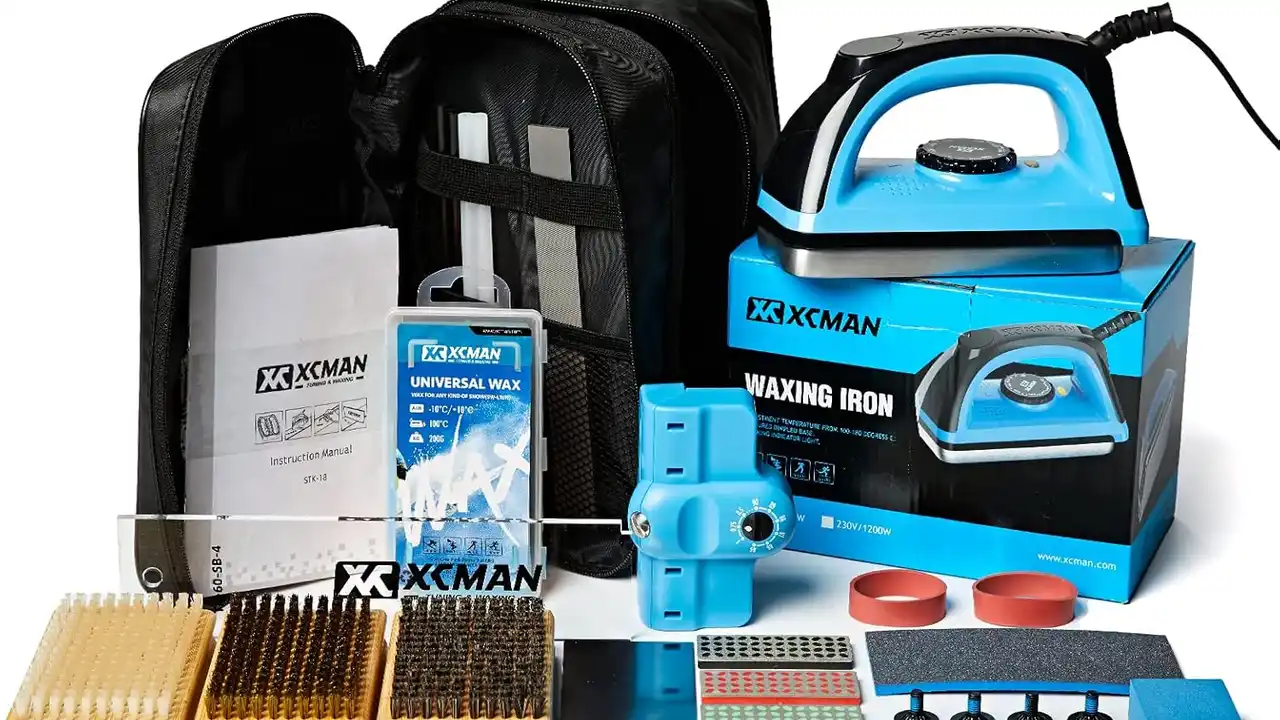
The Swix Ski and Snowboard Repair Kit is a popular choice for its comprehensive nature and trusted brand reputation. It typically includes P-Tex candles (black and clear), a metal scraper, a base cleaner, a small file, and sometimes a binding screwdriver. It's a great all-in-one solution for general maintenance and minor repairs.
- Pros: Reputable brand, good quality tools, covers most common repairs.
- Cons: Might not include all screwdriver sizes for every binding, can be a bit pricier than assembling individual components.
- Target User: Intermediate to advanced riders who want a reliable, ready-to-go kit for general maintenance and on-slope fixes.
- Approximate Price: $40 - $70 USD
Dakine Torque Driver Multi Tool Compact and Essential
The Dakine Torque Driver is a fantastic compact multi-tool specifically designed for ski and snowboard bindings. It features multiple Pozidriv and flathead bits, often including the crucial P1 and P3 sizes, along with a comfortable handle for leverage. Some versions also include a bottle opener, because, well, priorities.
- Pros: Extremely compact, includes essential binding screwdriver bits, durable construction.
- Cons: Only focuses on screwdrivers, doesn't include P-Tex or scrapers.
- Target User: Riders who primarily need a reliable binding tool for adjustments and quick fixes on the go. Great for carrying in a pocket or small pack.
- Approximate Price: $20 - $35 USD
Toko Express Tuner Pocket Sized Edge Care
The Toko Express Tuner is a small, handheld tool designed for quick edge sharpening and burr removal. It's not a replacement for a full edge tune, but it's perfect for touching up edges on the mountain or before a run. It typically has a ceramic or diamond file for quick results.
- Pros: Very compact, easy to use, effective for minor edge issues.
- Cons: Only for edges, not for base repair or binding adjustments.
- Target User: Riders who want to maintain sharp edges throughout the day without carrying a full tuning kit.
- Approximate Price: $15 - $25 USD
P-Tex Candles and Metal Scraper Individual Components for Customization
If you prefer to build your own kit or already have some tools, buying P-Tex candles and a metal scraper individually is a cost-effective option. Brands like Swix, Toko, and Wintersteiger offer high-quality P-Tex and scrapers.
- Pros: Allows for customization, often more affordable if you only need specific items.
- Cons: Requires sourcing multiple items, might not come with a convenient carrying case.
- Target User: DIY enthusiasts, riders who already have a multi-tool and just need base repair supplies.
- Approximate Price: P-Tex candles ($5-10 for a pack), Metal Scraper ($10-20)
How to Use Your Ski and Snowboard Repair Kit Step by Step Guides
Knowing what tools to carry is one thing; knowing how to use them is another. Here are some basic repair scenarios and how to tackle them with your kit:
Tightening Loose Binding Screws Quick and Easy Fix
This is perhaps the most common on-slope repair. If you feel your binding wiggling or hear a creaking sound, it's time to check your screws. Use your P1 or P3 screwdriver (depending on your binding) to gently tighten each screw. Don't overtighten, as this can strip the screw or damage the board/ski. Just snug them up until they feel secure. Always check all screws, not just the loose one.
Filling Minor Base Dings and Gouges P-Tex Application
For small dings that expose the core or are deep enough to affect glide, P-Tex is your friend. First, clean the area around the ding with rubbing alcohol or base cleaner. Let it dry completely. Light your P-Tex candle or stick, holding it at an angle so the flame is just above the tip. Let the melted P-Tex drip into the ding, slightly overfilling it. Allow it to cool and harden completely (this can take a few minutes). Once hard, use your metal scraper to carefully scrape away the excess P-Tex until it's flush with the rest of your base. Scrape in one direction, from tip to tail. You can then lightly buff the area with a Scotch-Brite pad if you want a smoother finish.
Removing Edge Burrs and Nicks Maintaining Grip
If you hit a rock or something hard, you might get a burr on your edge. This can make your edge feel 'catchy' or reduce grip. Use your small file or edge tuner. Hold the tool at the correct edge angle (usually 90 degrees or 88 degrees, but for quick fixes, just try to match the existing angle) and gently run it along the burr a few times until it's smooth. Be careful not to remove too much material. This is a temporary fix to restore function, not a full edge tune.
Emergency Binding Repair with Zip Ties and Duct Tape Temporary Solutions
In a true emergency, like a broken boot buckle or a binding strap that's come loose, zip ties and duct tape can be lifesavers. Use zip ties to secure flapping straps or to temporarily hold a buckle in place. Duct tape can be wrapped around a loose boot or binding component to provide temporary stability. Remember, these are temporary solutions to get you off the mountain safely, not permanent fixes. Get to a shop as soon as possible for a proper repair.
Maintaining Your Repair Kit Longevity and Readiness
Just like your skis or snowboard, your repair kit needs a little love to stay in top condition. Keep your tools clean and dry to prevent rust. Store P-Tex in a cool, dry place away from direct sunlight. Check your kit before each trip to ensure all components are present and in good working order. Replace any used P-Tex or depleted supplies. A well-maintained kit is a ready kit.
Advanced Repair Techniques When to Seek Professional Help
While a repair kit is great for minor issues, there are some repairs that are best left to the professionals. These include:
- Core Shots: Deep gouges that go through the base and expose the core of the ski or snowboard. These require specialized tools and materials to repair properly and prevent water damage to the core.
- Edge Delamination or Cracks: If your edges are separating from the base or have significant cracks, this is a structural issue that needs professional attention. Riding on damaged edges can be dangerous.
- Major Binding Damage: If a binding component is broken, cracked, or severely bent, it's crucial to have it inspected and repaired or replaced by a certified technician. Your bindings are your primary connection to your skis/board and are critical for safety.
- Base Grinding and Full Tunes: For optimal performance, your skis or snowboard need regular base grinding, edge sharpening, and waxing. While you can do basic waxing at home, a professional tune ensures your base structure is correct and your edges are perfectly sharp.
Knowing the limits of your repair kit is just as important as knowing how to use it. For anything beyond minor surface damage or loose screws, head to your local ski or snowboard shop. They have the expertise and specialized equipment to handle more complex repairs, ensuring your gear is safe and performs its best.
Packing Your Repair Kit Smart Storage and Accessibility
How you pack your repair kit can make a big difference in its utility. A small, durable pouch or case is ideal. Look for something that can withstand the elements and keep your tools organized. Many multi-tools come with their own cases. For P-Tex and scrapers, a small ziplock bag can keep them contained. Consider where you'll carry it – in your backpack, a jacket pocket, or a dedicated gear bag. The goal is to have it easily accessible when you need it most, without being cumbersome.
Beyond the Basics Additional Considerations for Your Kit
For the truly prepared, or those venturing into more remote areas, here are a few additional items you might consider adding to your repair kit:
- Small Vice Grips or Pliers: Useful for gripping small, stubborn items or bending things back into shape.
- Wire Cutters: For cutting zip ties or other small wires.
- Epoxy or Super Glue: For very small, non-structural cracks or delaminations that need a quick seal. Use with extreme caution and only for minor, temporary fixes.
- Spare Boot Laces or Boa Parts: If your boots use traditional laces or a Boa system, having spares can save a day if they break.
- Headlamp or Small Flashlight: Essential if you're doing repairs in low light conditions or after dark.
Remember, the goal is to be prepared, not to carry a full workshop. Tailor your kit to your specific needs, the type of riding you do, and the remoteness of your adventures. A well-thought-out ski and snowboard repair kit is an investment in your time on the snow, ensuring that minor mishaps don't turn into major headaches.
:max_bytes(150000):strip_icc()/277019-baked-pork-chops-with-cream-of-mushroom-soup-DDMFS-beauty-4x3-BG-7505-5762b731cf30447d9cbbbbbf387beafa.jpg)