Ski Helmet Safety and Style Your Ultimate Guide to Protection and Comfort
Welcome to the ultimate guide on ski helmet safety and style! Whether you're a seasoned pro carving up black diamonds or a beginner finding your balance on the bunny slopes, a ski helmet is your most crucial piece of safety gear. It's not just about meeting resort requirements; it's about protecting your most valuable asset – your brain. But safety doesn't mean sacrificing style or comfort. Today's helmets offer an incredible blend of advanced protection technologies, sleek designs, and features that make your day on the mountain even better. We'll dive deep into why helmets are essential, what to look for when buying one, how to ensure a perfect fit, and even recommend some top models that blend cutting-edge safety with undeniable style.
Why Ski Helmet Safety is Non Negotiable Protecting Your Brain on the Slopes
Let's be clear: wearing a ski helmet is not optional. The statistics on head injuries in skiing and snowboarding are sobering, and while helmets don't prevent all injuries, they significantly reduce the risk of serious trauma. A fall, a collision with another skier, or an unexpected obstacle can happen to anyone, regardless of skill level. Helmets absorb impact, distribute force, and protect your skull from direct blows. Think of it as an insurance policy for your head. Many resorts now mandate helmet use, especially for children, but even where it's not required, it's simply smart practice. Your brain is worth protecting, and a helmet is the best way to do it.
Understanding Ski Helmet Construction Materials and Technologies for Impact Absorption
Modern ski helmets are engineering marvels, designed to withstand and dissipate impact energy. Understanding their construction helps you appreciate the protection they offer. Most helmets consist of an outer shell, an impact-absorbing liner, and a comfort padding system.
Outer Shell Durability and Puncture Resistance
The outer shell is typically made from durable materials like ABS plastic (Acrylonitrile Butadiene Styrene) or polycarbonate. ABS is known for its toughness and resistance to penetration, often used in hardshell helmets. Polycarbonate, frequently used in in-mold constructions, allows for lighter designs while still offering excellent protection. Some high-end helmets might use carbon fiber or fiberglass for even greater strength-to-weight ratios.
Impact Absorbing Liner EPS Foam and Beyond
Beneath the shell lies the crucial impact-absorbing liner, almost universally made from Expanded Polystyrene (EPS) foam. EPS foam works by crushing upon impact, effectively slowing down the force transferred to your head. The thicker the EPS, generally the more energy it can absorb. However, helmet design also plays a role in how effectively this energy is managed.
Advanced Safety Technologies MIPS and WaveCel Explained
Beyond basic EPS, many modern helmets incorporate advanced safety technologies designed to address rotational forces, which are a significant cause of concussions. Two prominent examples are MIPS (Multi-directional Impact Protection System) and WaveCel.
MIPS Technology Rotational Impact Protection
MIPS is a low-friction layer integrated between the helmet's outer shell and the comfort liner. In an angled impact, the MIPS layer allows the helmet to slide relative to the head, redirecting rotational energy and reducing the forces transmitted to the brain. Think of it like a slip plane that mimics the brain's own protective fluid. Many major helmet brands license MIPS technology, so you'll see it across a wide range of models.
WaveCel Technology Collapsible Cellular Structure
WaveCel is a relatively newer technology that uses a collapsible cellular structure lining the inside of the helmet. This material is designed to flex, crumple, and glide upon impact, absorbing both direct and rotational forces more effectively than traditional foam. It's a unique approach to energy management and offers a high level of protection.
Finding the Perfect Ski Helmet Fit Comfort and Safety Synergy
A helmet can have all the advanced technology in the world, but if it doesn't fit correctly, its protective capabilities are severely compromised. A proper fit is paramount for both safety and comfort. Here's how to achieve it:
Measuring Your Head Circumference The First Step to a Great Fit
Before you even try on a helmet, measure your head circumference. Use a flexible tape measure and wrap it around the widest part of your head, just above your eyebrows and ears. Compare this measurement to the helmet manufacturer's sizing chart. Helmet sizes vary between brands, so don't assume a 'medium' in one brand will be the same as another.
Trying On the Helmet Snug Not Tight
When you try on a helmet, it should feel snug all around your head, without any pressure points or gaps. It shouldn't wobble or shift when you shake your head. If it moves freely, it's too big. If it causes discomfort or leaves red marks, it's too small. Many helmets come with adjustable fit systems (like a dial at the back) that allow for fine-tuning.
Goggle Compatibility Seamless Integration for Vision
Always try on the helmet with your ski goggles. There should be no gap between the top of your goggles and the brim of your helmet (the dreaded 'gaper gap'). Your goggles should fit comfortably under or over the helmet's brim without being pushed down on your nose or up on your forehead. Some helmets are designed to integrate seamlessly with specific goggle brands, so check for compatibility.
Chin Strap Adjustment Secure and Comfortable
The chin strap should be snug but not uncomfortably tight. You should be able to fit one or two fingers between the strap and your chin. The buckle should sit comfortably under your chin, not on your throat. Make sure the strap doesn't pinch your skin.
Key Features to Consider Beyond Basic Protection Ventilation and Audio Integration
Once you've got safety and fit covered, it's time to look at features that enhance your skiing experience. Modern helmets offer a range of options for comfort, convenience, and even entertainment.
Ventilation Systems Temperature Regulation on the Slopes
Good ventilation is crucial for comfort, preventing your head from overheating on warmer days or during strenuous activity. Look for helmets with adjustable vents that allow you to open or close them to regulate airflow. Some helmets have passive vents, while others offer active, adjustable systems.
Removable Ear Pads and Liners Easy Cleaning and Customization
Removable ear pads and liners are a huge plus. They allow you to wash them, keeping your helmet fresh and odor-free. They also offer customization options; some skiers prefer to remove ear pads on warmer days or to better accommodate headphones.
Audio Compatibility and Integrated Speakers Stay Connected and Entertained
Many helmets are designed to be audio-compatible, meaning they have pockets in the ear pads to house aftermarket audio systems. Some even come with integrated speakers, allowing you to listen to music or take calls without fumbling with earbuds. This is a great feature for solo skiers or those who like a soundtrack to their turns.
Goggle Clip or Strap Retainer Keeping Your Goggles Secure
A small but important feature, a goggle clip or strap retainer at the back of the helmet keeps your goggle strap securely in place, preventing them from slipping off your helmet during a fall or when you take them off your face.
Weight Considerations Lightness for Long Days
While safety is paramount, a lighter helmet can significantly improve comfort, especially during long days on the mountain. In-mold constructions generally produce lighter helmets than hardshell designs. However, don't sacrifice safety for minimal weight savings.
Ski Helmet Style Expressing Your Personality on the Mountain
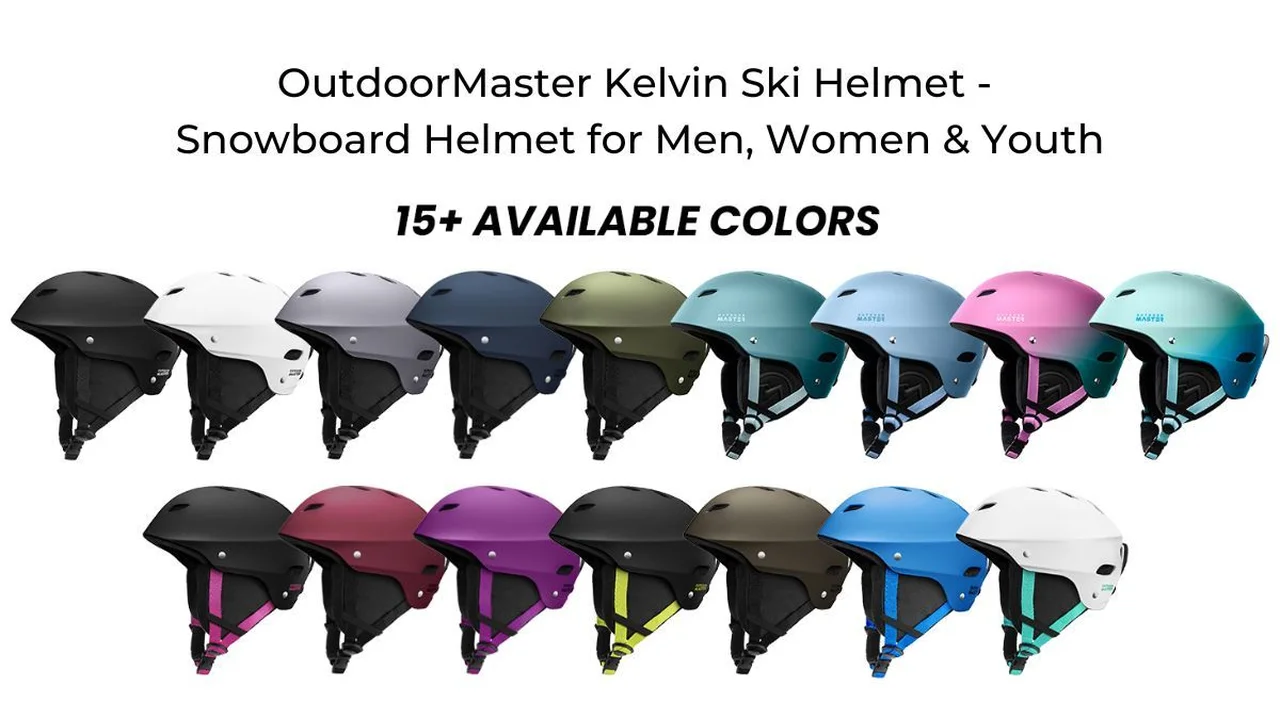
Gone are the days when ski helmets were bulky and unappealing. Today, helmets come in a vast array of colors, finishes, and profiles, allowing you to express your personal style while staying safe. From sleek, minimalist designs to bold, vibrant colors, there's a helmet out there for everyone.
Color and Finish Matte Gloss and Beyond
Do you prefer a classic matte black, a vibrant neon, or a metallic finish? Helmet manufacturers offer a wide spectrum of colors and finishes. Consider how the helmet's color will complement your ski jacket and pants, or if you want it to stand out as a statement piece.
Profile and Shape Low Profile or More Aggressive
Helmets come in various profiles. Some are very low-profile and streamlined, offering a minimalist look. Others might have a slightly more aggressive or rounded shape. Try on different styles to see what looks best on your head and feels most comfortable.
Brand Aesthetics Matching Your Gear
Many skiers like to match their helmet brand with their skis, boots, or goggles for a cohesive look. While not essential, it can contribute to a polished appearance on the slopes.
Top Ski Helmet Recommendations Safety Style and Value
Now that you know what to look for, let's explore some of the best ski helmets on the market, catering to different needs, budgets, and styles. These recommendations prioritize safety features while offering excellent comfort and aesthetics.
Smith Vantage MIPS Premium All Mountain Performance
The Smith Vantage MIPS is a perennial favorite for a reason. It combines Smith's Aerocore construction (featuring Koroyd for superior impact absorption and ventilation) with MIPS technology for rotational impact protection. It boasts an impressive 21 adjustable vents, allowing for precise temperature control. The Boa 360 Fit System ensures a snug, comfortable fit, and it integrates seamlessly with Smith goggles. It's a premium option, but the safety and comfort features justify the price. It's ideal for advanced skiers who spend long days on the mountain in varying conditions. Price: Approximately $250-300 USD.
Giro Ledge MIPS Durable and Stylish Park Helmet
For freestyle skiers and snowboarders who prioritize durability and a classic skate-style look, the Giro Ledge MIPS is an excellent choice. It features a hard-shell construction for robust protection and MIPS technology. While ventilation is more basic (fixed vents), it's sufficient for most park riding. It has removable ear pads and a goggle retainer. The Ledge MIPS offers great value for its safety features and rugged design, perfect for those who might take a few tumbles in the terrain park. Price: Approximately $100-120 USD.
POC Obex SPIN Versatile and Lightweight
POC is renowned for its commitment to safety, and the Obex SPIN is no exception. It's a lightweight and versatile helmet suitable for all-mountain skiing. It features POC's SPIN (Shearing Pad Inside) technology, which is their own rotational impact protection system. The helmet offers adjustable ventilation, a precise fit system, and seamless goggle integration. It's a great option for skiers who want a high level of protection in a comfortable, lightweight package. Price: Approximately $180-220 USD.
Anon Raider 3 Helmet Classic Look and Solid Protection
The Anon Raider 3 is a popular choice for its classic, low-profile design and solid protection. It features an Endura-Shell construction for durability and passive ventilation to keep you comfortable. While it doesn't include MIPS, it offers reliable protection for recreational skiers and snowboarders. It's also compatible with Anon's audio accessories. This helmet is a fantastic entry-level to mid-range option for those seeking a clean aesthetic and dependable safety without breaking the bank. Price: Approximately $80-100 USD.
Sweet Protection Switcher MIPS Cutting Edge Hybrid Design
Sweet Protection is known for its high-performance gear, and the Switcher MIPS is a testament to that. It features a hybrid shell construction (combining hardshell and in-mold) for optimal strength and weight, along with MIPS technology. What sets it apart is its innovative 22-vent adjustable ventilation system, which is incredibly effective. It's a top-tier helmet for serious skiers who demand the best in protection, ventilation, and comfort for all conditions. Price: Approximately $280-350 USD.
Maintaining Your Ski Helmet Longevity and Performance
To ensure your helmet continues to offer optimal protection, proper care and maintenance are essential. A well-maintained helmet will last longer and perform better.
Cleaning Your Helmet Gentle Care for Longevity
After each use, wipe down the helmet's exterior with a damp cloth to remove dirt and sweat. If your helmet has removable liners and ear pads, take them out and hand wash them with mild soap and water, then air dry them completely before reinserting. Never use harsh chemicals or solvents, as they can damage the helmet's materials.
Proper Storage Protecting from Damage
Store your helmet in a cool, dry place away from direct sunlight and extreme temperatures. Avoid leaving it in a hot car, as excessive heat can degrade the EPS foam. Store it in a helmet bag to protect it from scratches and dings when not in use or during transport.
When to Replace Your Helmet The 5 Year Rule and After Impacts
Helmets are designed for a single significant impact. If your helmet sustains a hard blow, even if there's no visible damage, the internal foam may have compressed, compromising its protective capabilities. Always replace a helmet after any significant impact. Additionally, most manufacturers recommend replacing your helmet every 3-5 years, even without an impact. Over time, UV exposure, sweat, and general wear and tear can degrade the materials, reducing their effectiveness. Check the manufacturer's recommendations for specific guidelines.
Ski Helmet Accessories Enhancing Your Experience
Beyond the helmet itself, a few accessories can enhance your comfort and overall experience.
Helmet Liners and Balaclavas Added Warmth and Hygiene
On colder days, a thin helmet liner or balaclava can provide extra warmth and comfort. They also help absorb sweat, keeping the inside of your helmet cleaner. Look for moisture-wicking materials.
Helmet Audio Systems Music and Communication
If your helmet doesn't come with integrated audio, consider an aftermarket helmet audio system. These typically consist of flat speakers that fit into the helmet's ear pad pockets, connecting to your phone via Bluetooth. Brands like Outdoor Tech and Chips offer excellent options for listening to music or taking calls hands-free. Price: Approximately $50-150 USD.
Helmet Cameras Capturing Your Adventures
For those who want to document their runs, a helmet-mounted action camera (like a GoPro) is a popular accessory. Ensure your helmet has a flat surface or a dedicated mount point for secure attachment. Always be mindful of others when filming on the slopes. Price: Varies widely, from $100 to $500+ USD for cameras.
Final Thoughts on Ski Helmet Safety and Style
Choosing the right ski helmet is a critical decision that impacts both your safety and your enjoyment on the mountain. By understanding the importance of protection, the various construction technologies, and how to achieve a perfect fit, you can confidently select a helmet that meets your needs. Remember, safety doesn't have to come at the expense of style or comfort. With the wide array of options available today, you can find a helmet that looks great, feels comfortable, and most importantly, keeps you safe so you can focus on the thrill of the ride. Stay safe out there and enjoy the snow!
:max_bytes(150000):strip_icc()/277019-baked-pork-chops-with-cream-of-mushroom-soup-DDMFS-beauty-4x3-BG-7505-5762b731cf30447d9cbbbbbf387beafa.jpg)