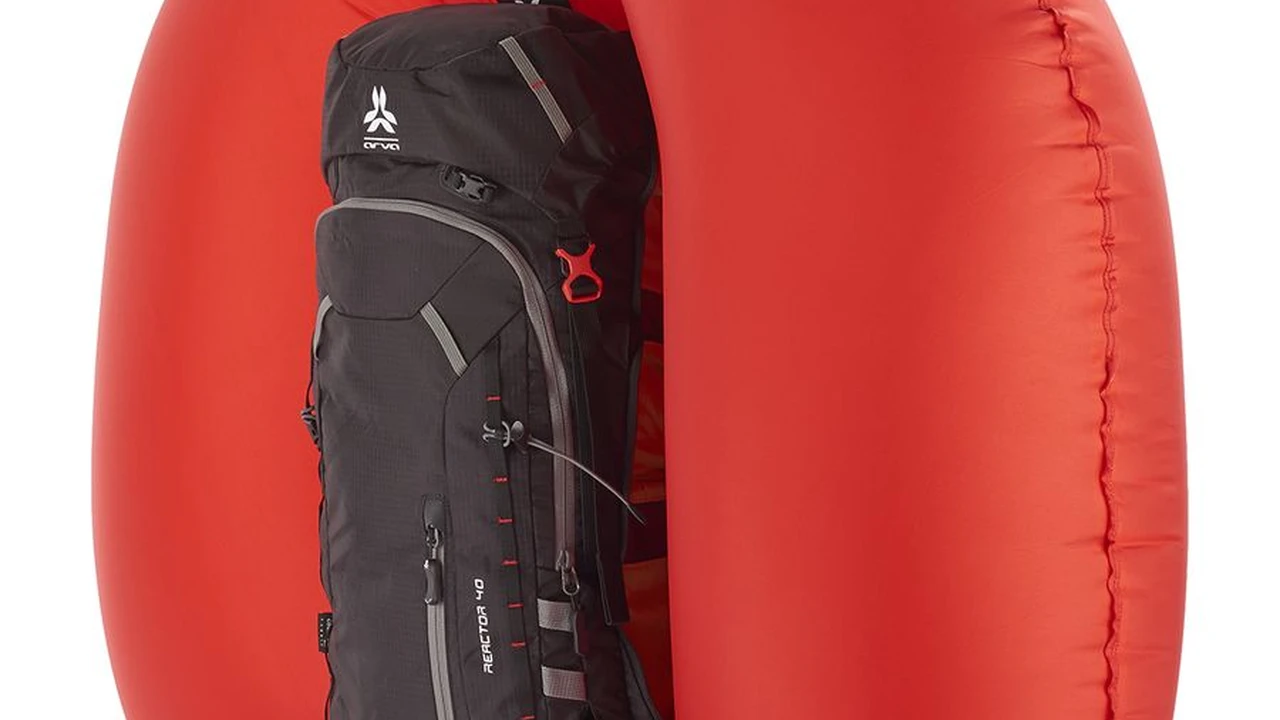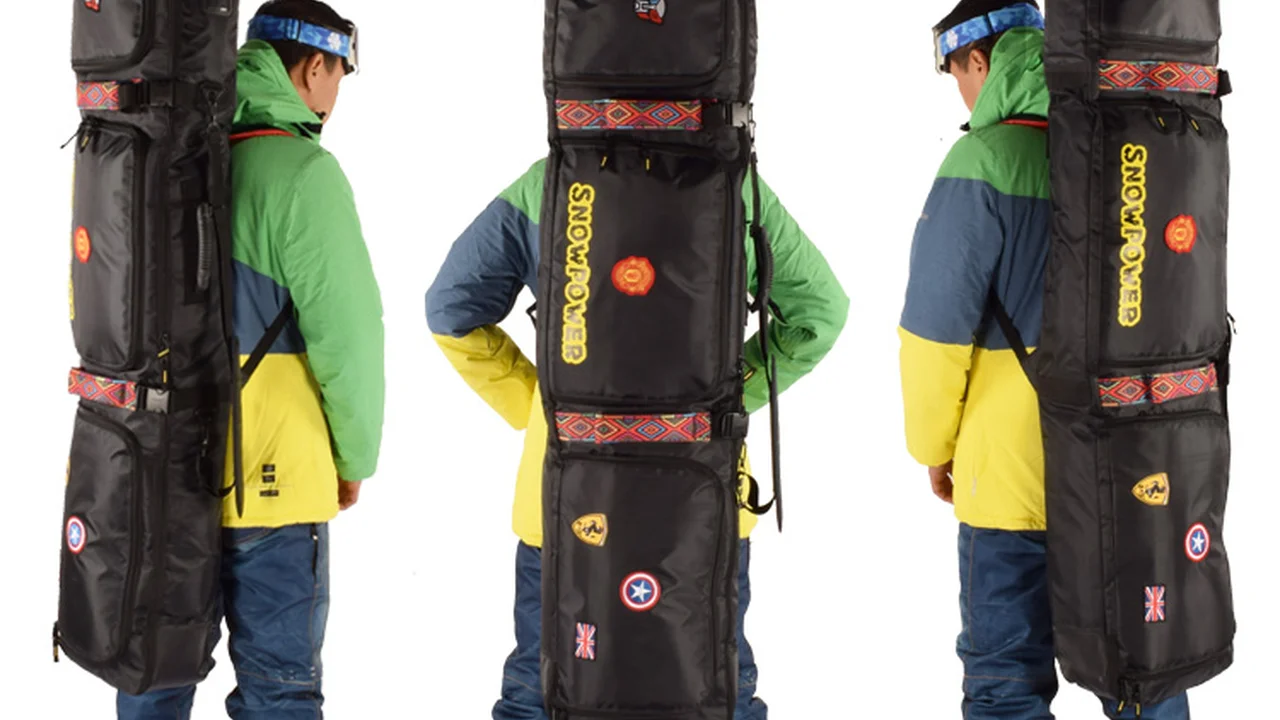
Travel with ease using the best snowboard bags. Protect your gear with padded bags and smart packing tips.
Snowboard Bag Travel Essentials
So, you've got your snowboard, your boots, your bindings, and all your awesome gear. You're ready to hit those epic slopes, whether it's a quick weekend trip to your local mountain or an international adventure to Niseko or the Alps. But how do you get all that precious equipment there safely and without a massive headache? That's where a good snowboard bag comes in. It's not just a fancy sack; it's your gear's bodyguard, your organizational wizard, and your travel companion all rolled into one.
Choosing the right snowboard bag can make or break your travel experience. Think about it: nobody wants to arrive at their destination only to find their board dinged, their bindings bent, or their boots missing. A quality bag protects your investment, simplifies airport check-ins, and often provides extra space for all those little essentials you need on the mountain. Let's dive deep into everything you need to know about snowboard bags, from types and features to top recommendations and smart packing strategies.
Types of Snowboard Bags Understanding Your Options
Not all snowboard bags are created equal. They come in various styles, each designed for different needs and travel scenarios. Knowing the differences will help you pick the perfect one for your adventures.
Padded Snowboard Bags Protection and Durability
These are the workhorses of the snowboard bag world. Padded bags offer significant protection for your board and other gear, making them ideal for air travel or any situation where your bag might get tossed around. The padding, often made of foam or similar materials, acts as a shock absorber, preventing dings, scratches, and more serious damage to your board, bindings, and even your boots. They usually feature internal straps to secure your board, preventing it from shifting during transit. Many also come with external compression straps to cinch down the load, making the bag more compact and stable. While they tend to be heavier and bulkier than unpadded options, the peace of mind they offer is often worth the trade-off, especially for expensive equipment.
Unpadded Snowboard Sleeves Lightweight and Simple
If you're just heading to the local hill in your car, or you need a lightweight option for storage, an unpadded sleeve might be all you need. These are essentially just fabric covers that protect your board from minor scratches and keep snow and dirt out of your car. They offer minimal protection against impacts, so they're definitely not recommended for air travel or situations where your gear will be handled roughly. Their main advantages are their low cost, light weight, and ability to fold up compactly when not in use. They're great for short trips or for keeping your board clean in storage.
Wheeled Snowboard Bags Effortless Transport
For anyone who travels frequently or carries a lot of gear, a wheeled snowboard bag is an absolute game-changer. Imagine navigating a busy airport or a long walk from the parking lot to the lodge without having to shoulder a heavy bag. The integrated wheels (often durable, skateboard-style wheels) make transport incredibly easy, saving your back and energy. These bags are almost always padded for protection and often feature multiple compartments for boots, outerwear, and accessories. While they are generally the heaviest and most expensive type of bag, the convenience they offer, especially for air travel, is unparalleled. Look for bags with sturdy wheels and reinforced handles for maximum durability.
Double Snowboard Bags Carrying Multiple Boards
Got more than one board? Or traveling with a friend or partner? A double snowboard bag is designed to carry two (or sometimes even three) snowboards, often with bindings removed or staggered. These bags are typically padded and may or may not have wheels. They're a great option for reducing the number of bags you need to check at the airport, potentially saving on baggage fees. However, they can get very heavy when fully loaded, so if you opt for a double bag, wheels are almost a necessity.
Key Features to Look For Optimizing Your Snowboard Bag
Beyond the basic type, several features can significantly enhance the functionality and durability of your snowboard bag. Pay attention to these details when making your choice.
Padding and Protection Ensuring Gear Safety
As mentioned, padding is crucial, especially for air travel. Look for bags with dense, high-quality foam padding throughout, not just on the top and bottom. Some premium bags even offer extra padding around critical areas like the nose and tail of the board. Internal straps are also key to securing your board and preventing it from shifting and potentially damaging other items in the bag.
Wheels and Handles Ease of Mobility
If you're going with a wheeled bag, inspect the wheels. Are they sturdy, large, and designed to handle rough terrain? Inline skate wheels are generally more durable than small plastic ones. Also, check the handles. You'll want multiple grab handles – at the ends and in the middle – for easy lifting and maneuvering. A comfortable, padded shoulder strap is also a plus for non-wheeled bags or for short carries.
Compartments and Pockets Organization and Storage
A well-designed snowboard bag will have dedicated compartments or pockets for boots, bindings, outerwear, helmets, goggles, and other accessories. This helps keep your gear organized, prevents items from getting lost, and can even protect delicate items like goggles from scratches. Some bags feature waterproof or ventilated pockets, which are great for stashing wet boots or smelly base layers after a day on the slopes.
Durability and Materials Long Lasting Performance
Look for bags made from robust, water-resistant materials like heavy-duty nylon or polyester (e.g., 600D or 1200D). Reinforced stitching, especially at stress points like handles and zippers, is essential. High-quality zippers (YKK zippers are a good sign) are also crucial, as a broken zipper can render a bag useless. Some bags feature reinforced bottoms or skid plates to protect against abrasion when dragging.
Size and Fit Matching Your Gear
Measure your snowboard! You want a bag that's long enough to accommodate your board, but not excessively so, as extra length can make the bag unwieldy. Most bags are designed to fit boards up to a certain length (e.g., 165cm). Consider if you want to keep your bindings on or take them off. Some bags are designed for boards with bindings attached, while others require removal for a better fit. Also, think about how much extra gear you plan to carry. If you're packing everything for a week-long trip, you'll need a larger capacity bag.
Top Snowboard Bag Recommendations Protecting Your Investment
Here are a few highly-rated snowboard bags that cater to different needs and budgets, along with their typical use cases and price ranges. Please note that prices are approximate and can vary based on sales, retailers, and specific models.
1. Dakine Low Roller Snowboard Bag The All-Rounder
Use Case: This is a fantastic all-around bag, perfect for frequent flyers and those who want excellent protection without breaking the bank. It's incredibly popular for a reason.
Features: The Low Roller is fully padded, offering great protection for your board and other gear. It features durable urethane wheels for smooth rolling, external accessory pockets for boots and outerwear, and a removable boot bag. Internal straps keep your board secure. It's designed to fit one board with bindings attached, plus a pair of boots and outerwear.
Pros: Excellent padding, smooth-rolling wheels, good organization, durable construction, relatively affordable for its features.
Cons: Can get heavy when fully loaded, especially if you pack a lot of extra gear.
Approximate Price: $150 - $200 USD
2. Burton Wheelie Gig Bag The Classic Choice
Use Case: Another perennial favorite, the Wheelie Gig is ideal for riders who prioritize robust protection and ease of transport. It's a go-to for many serious snowboarders.
Features: The Wheelie Gig boasts full padding, super smooth IXION skate wheels, and a comfortable handle system. It's spacious enough for one or two boards (depending on size and binding removal), boots, and outerwear. Internal webbing straps keep everything cinched down. It's known for its rugged construction and reliability.
Pros: Extremely durable, excellent protection, high-quality wheels, ample space, classic design.
Cons: Can be a bit pricier than some entry-level options.
Approximate Price: $180 - $250 USD
3. Thule RoundTrip Snowboard Roller Premium Protection and Organization
Use Case: For the discerning traveler who wants top-tier protection, superior organization, and a bag that will last for years. Great for international trips or protecting high-end gear.
Features: The RoundTrip offers exceptional padding, including padded cinch-top sleeves for individual boards to prevent board-on-board contact. It has internal and external compression straps, integrated wheels, and dedicated internal pockets for boots and outerwear. The S-shaped zipper makes loading and unloading easy. It's built with very durable materials.
Pros: Superior protection, excellent internal organization, very durable construction, smooth rolling.
Cons: Higher price point, can be heavier than other options.
Approximate Price: $250 - $350 USD
4. Sportube Series 1 Hard Case Ultimate Protection
Use Case: If you absolutely cannot risk any damage to your board, or if you're traveling with multiple boards and want maximum security, a hard case like the Sportube is the answer. Ideal for professional athletes or those with very expensive custom boards.
Features: Made from high-density polyethylene, the Sportube is virtually indestructible. It's extendable to fit various board lengths and comes with wheels for easy transport. While it doesn't have internal padding like soft bags, you can add your own foam or clothing for cushioning. It's designed to hold one snowboard with bindings, or two snowboards without bindings.
Pros: Unmatched protection, extremely durable, extendable, good for multiple boards.
Cons: Heavier and bulkier than soft bags, less internal organization, requires additional padding for soft items.
Approximate Price: $180 - $250 USD
5. Burton Space Sack Snowboard Bag Budget Friendly and Simple
Use Case: Perfect for local trips, car travel, or as a lightweight storage solution. Not recommended for air travel due to lack of padding.
Features: This is a very basic, unpadded sleeve. It's lightweight, foldable, and has a simple shoulder strap. It's designed to protect your board from scratches and keep your car clean. It's essentially a minimalist option.
Pros: Very affordable, lightweight, compact, easy to store.
Cons: No padding, no wheels, minimal protection, not suitable for air travel.
Approximate Price: $50 - $80 USD
Smart Packing Tips for Your Snowboard Bag Maximizing Space and Protection
Having the right bag is only half the battle; knowing how to pack it efficiently is just as important. These tips will help you maximize space, protect your gear, and avoid overweight baggage fees.
Disassemble and Protect Your Board
For optimal protection and to save space, consider removing your bindings from your snowboard. Wrap your board in a soft layer (like a towel or a soft jacket) to prevent scratches. Place the bindings in a separate boot bag or a dedicated pocket within the main bag. If you keep bindings on, make sure they are tightened down and consider placing soft items around them to prevent them from digging into the board or other gear.
Utilize All Available Space Strategic Packing
Your snowboard bag isn't just for your board. It's a great place to pack your boots, helmet, outerwear, and even some base layers. Stuff socks, gloves, or small items into your boots to save space. Use your helmet as a protective shell for goggles or other fragile items by stuffing them inside. Lay flat items like jackets and pants over your board to add an extra layer of padding.
Weight Distribution and Balance Preventing Overweight Fees
Be mindful of weight. Airlines have strict baggage weight limits (often 50 lbs or 23 kg for standard economy). Distribute the weight evenly throughout the bag to make it easier to carry or roll. If you're close to the limit, consider wearing your heaviest boots or jacket on the plane. A portable luggage scale can be a lifesaver to avoid last-minute repacking at the airport.
Protect Fragile Items Goggles and Electronics
Goggles should always be stored in their protective case or inside your helmet. Electronics like cameras or portable chargers should be in their own padded cases and ideally carried in your carry-on luggage to prevent damage or theft. If they must go in the snowboard bag, ensure they are well-padded and secured.
Keep Essentials Accessible Easy Access
Anything you might need immediately upon arrival (e.g., a change of clothes, toiletries) should be in your carry-on. Your snowboard bag is for your gear, not your immediate personal items.
Airline Travel with Snowboard Bags Navigating the Airport
Traveling with a snowboard bag, especially by air, requires a bit of planning. Here's what you need to know.
Check Airline Baggage Policies Understanding the Rules
Before you even pack, check your airline's specific baggage policies for sporting equipment. Policies vary widely by airline and even by fare class. Some airlines count snowboard bags as standard checked luggage, while others classify them as oversized or specialty items, which might incur additional fees. Pay attention to both weight and dimension limits. Many airlines have a specific 'ski/snowboard bag' policy that might allow for slightly larger dimensions but still adhere to weight limits.
Label Your Bag Clearly Identification is Key
Always put a clear, durable luggage tag on your snowboard bag with your name, phone number, and email address. Consider putting a secondary tag inside the bag as well. This is crucial in case the external tag gets ripped off. Brightly colored straps or unique stickers can also help you quickly identify your bag on the carousel.
Arrive Early at the Airport Smooth Check-In
Checking in oversized luggage like a snowboard bag can take longer than standard bags. Arrive at the airport with plenty of time to spare, especially during peak travel seasons. You might need to go to a special oversized baggage drop-off counter.
Consider Travel Insurance Peace of Mind
For expensive gear, travel insurance that covers sporting equipment can be a wise investment. This can provide coverage for lost, damaged, or delayed bags, giving you peace of mind during your travels.
Maintenance and Storage Extending Your Bag's Life
Once your trip is over, a little care goes a long way in extending the life of your snowboard bag.
Clean Your Bag After Each Trip Preventing Odors and Damage
Remove all gear from the bag. If there's any snow, dirt, or moisture, wipe it down thoroughly and let it air dry completely before zipping it up. This prevents mold, mildew, and unpleasant odors. If your bag has a removable liner or boot bag, wash it as needed.
Store in a Dry Place Protecting Materials
Store your snowboard bag in a cool, dry place away from direct sunlight. This prevents the materials from degrading and keeps zippers and wheels in good condition. If it's a soft bag, you can often fold it up for compact storage.
Check for Wear and Tear Regular Inspection
Periodically inspect your bag for any signs of wear and tear, such as frayed stitching, damaged zippers, or worn-out wheels. Addressing minor issues early can prevent them from becoming major problems down the line.
A good snowboard bag is an essential piece of gear for any rider who plans to travel. It protects your valuable equipment, simplifies logistics, and ultimately enhances your overall snowboarding experience. By understanding the different types of bags, knowing what features to look for, and employing smart packing strategies, you can ensure your gear arrives safely and ready for action, wherever your winter adventures take you.
:max_bytes(150000):strip_icc()/277019-baked-pork-chops-with-cream-of-mushroom-soup-DDMFS-beauty-4x3-BG-7505-5762b731cf30447d9cbbbbbf387beafa.jpg)