Hey there, fellow water enthusiasts! Ever thought about taking your kayak or canoe out when the air gets crisp and the landscapes turn frosty? Winter paddling might sound a bit wild, but it's an incredibly rewarding experience. Imagine gliding silently across a glassy lake, surrounded by snow-dusted trees, with no motorboats in sight. It's peaceful, it's beautiful, and it offers a completely different perspective than summer paddling. But before you grab your paddle and head out, there are some crucial things to consider, especially when it comes to gear and safety. Let's dive in!
\n\nWhy Winter Paddling is an Unforgettable Experience
\n\nSo, what's the big deal about winter kayaking or canoeing? Well, for starters, the crowds are gone. Those popular summer spots that are usually bustling with activity become serene and quiet. You get to experience nature in its rawest form, often with stunning, unobstructed views that are simply breathtaking. The air is usually clearer, and the light can be absolutely magical, especially during sunrise or sunset. Wildlife spotting can also be fantastic, as many animals are more visible against the snowy backdrop. Plus, there's a unique sense of accomplishment that comes with braving the elements and enjoying the tranquility of a winter wonderland from the water.
\n\nEssential Cold Weather Paddling Gear and Apparel
\n\nThis is where winter paddling gets serious. Your regular summer gear just won't cut it. The biggest danger in cold water is hypothermia, so staying warm and dry is paramount. Think layers, and think waterproof. Here’s a breakdown of what you’ll need:
\n\nDry Suits vs. Wet Suits for Winter Paddling Safety
\n\nThis is probably the most important decision you'll make. For true cold water (anything below 60°F or 15°C), a dry suit is highly recommended. A dry suit is designed to keep you completely dry by sealing out water at the neck, wrists, and ankles. You wear insulating layers underneath, which stay dry and keep you warm even if you capsize. They can be pricey, but they are an investment in your safety and comfort.
\n\nRecommended Dry Suit: Kokatat Meridian Dry Suit
\n- \n
- Features: Made with GORE-TEX Pro fabric, integrated GORE-TEX socks, relief zipper, and switchable hood. It's known for its durability and breathability. \n
- Use Case: Ideal for serious winter paddlers, whitewater enthusiasts, and anyone venturing into very cold conditions where immersion is a real possibility. \n
- Price: Around $1,200 - $1,500 USD. \n
A wetsuit, on the other hand, works by trapping a thin layer of water against your skin, which your body then warms up. While good for some cold water sports, they are generally less suitable for prolonged exposure in very cold water, especially if you're not actively swimming or submerged. If you do opt for a wetsuit, go for a thicker one (5mm or more) and pair it with appropriate layers.
\n\nRecommended Wetsuit: NRS 5.0 Farmer John Wetsuit
\n- \n
- Features: 5mm neoprene for warmth, titanium laminate adhesive for heat retention, and durable construction. \n
- Use Case: Suitable for slightly less extreme cold, or as a base layer under other protective gear. Good for those who might be in and out of the water more frequently. \n
- Price: Around $200 - $300 USD. \n
Layering Strategies for Optimal Warmth and Comfort
\n\nUnderneath your dry suit (or even a wetsuit), layering is key. Avoid cotton at all costs, as it loses its insulating properties when wet. Opt for synthetic materials like fleece, wool, or polypropylene.
\n- \n
- Base Layer: Wicks moisture away from your skin. Think merino wool or synthetic thermals. \n
- Mid-Layer: Provides insulation. Fleece jackets or synthetic puffies work well. \n
- Outer Layer (if not using a dry suit): Windproof and waterproof jacket and pants. \n
Head, Hand, and Foot Protection for Cold Paddling
\n\nYou lose a lot of heat through your extremities, so don't skimp here!
\n- \n
- Head: A warm hat (wool or fleece) that covers your ears is essential. Some dry suits have integrated hoods. \n
- Hands: Neoprene gloves or pogies (mitts that attach to your paddle) are crucial. Pogies are great because they allow you to grip the paddle directly while keeping your hands warm. \n
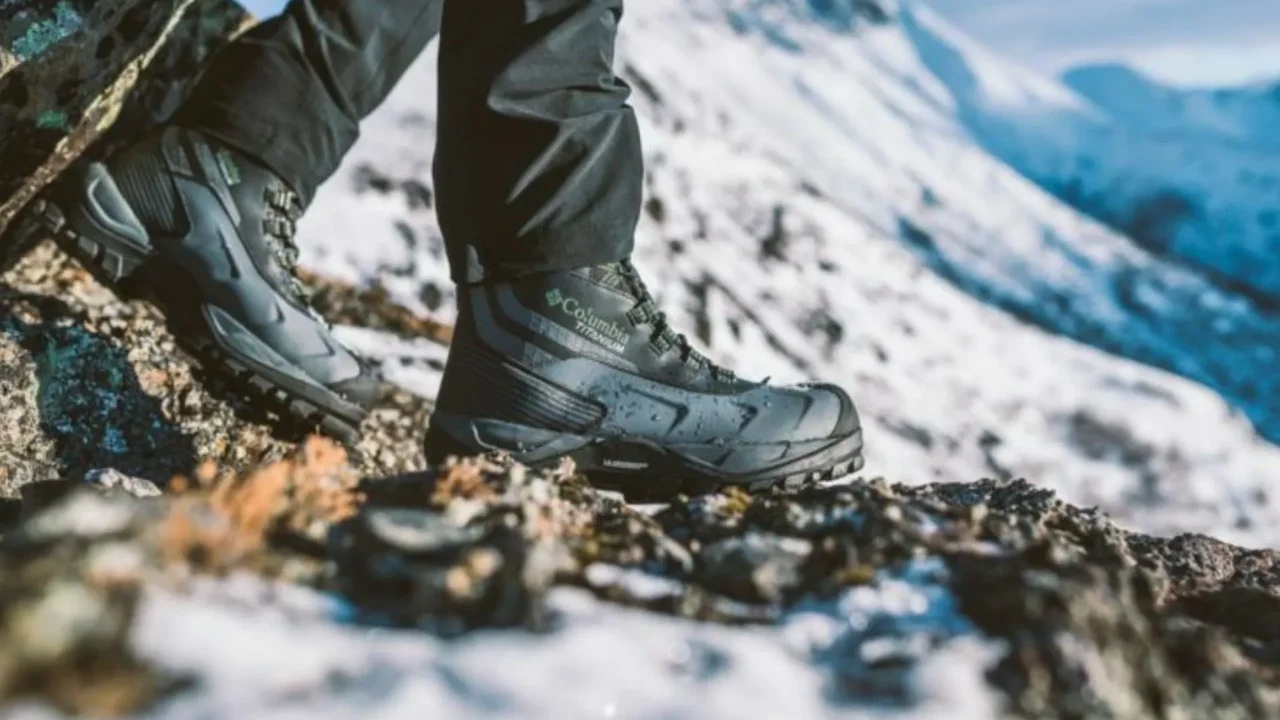
- Feet: Neoprene booties or waterproof insulated boots are a must. If wearing a dry suit with integrated socks, wear thick wool or synthetic socks underneath.
Recommended Paddling Gloves: NRS Toaster Mitts
\n- \n
- Features: 3mm neoprene, liquid-sealed seams, and a pre-curved shape for comfort. \n
- Use Case: Excellent for keeping hands warm in very cold water, offering good dexterity for paddling. \n
- Price: Around $50 - $70 USD. \n
Recommended Paddling Booties: NRS Boundary Boots
\n- \n
- Features: 5mm neoprene, waterproof construction, and a sturdy sole for traction. \n
- Use Case: Perfect for keeping feet warm and dry, whether you're launching from shore or wading in shallow water. \n
- Price: Around $100 - $120 USD. \n
Crucial Safety Considerations for Winter Water Sports
\n\nSafety is non-negotiable when paddling in winter. The risks are significantly higher than in warmer months.
\n\nAlways Wear Your PFD Personal Flotation Device
\n\nThis isn't just a recommendation; it's a rule. Even if you're a strong swimmer, cold shock can incapacitate you in seconds. A PFD will keep you afloat and help you conserve energy if you end up in the water. Make sure it's properly fitted and designed for paddling.
\n\nRecommended PFD: Astral Ronny Life Jacket
\n- \n
- Features: High-back design for comfortable seating in kayaks, multiple pockets, and a durable construction. \n
- Use Case: Versatile PFD suitable for both kayaking and canoeing, offering excellent mobility and safety. \n
- Price: Around $150 - $180 USD. \n
Understanding Cold Shock and Hypothermia Risks
\n\nCold shock is the body's immediate response to sudden immersion in cold water. It causes involuntary gasping, hyperventilation, and can lead to disorientation and panic. Hypothermia is a dangerous drop in body temperature. Know the symptoms (shivering, confusion, slurred speech) and how to react. Always paddle with a buddy, and let someone on shore know your float plan.
\n\nEssential Safety Gear Beyond Your PFD
\n\n- \n
- Throw Bag: A rope in a bag that you can throw to someone in the water for rescue. \n
- Whistle: For signaling for help. \n
- First Aid Kit: Tailored for cold weather injuries. \n
- Dry Bag with Spare Clothes: Always have a complete change of warm, dry clothes in a waterproof bag. \n
- Thermos with Hot Drink: Tea, coffee, or hot chocolate can be a lifesaver for warming up. \n
- Headlamp/Flashlight: Days are shorter in winter, and light fades quickly. \n
- Navigation Tools: Map, compass, or GPS, especially if exploring new areas. \n
- Communication Device: Fully charged cell phone in a waterproof case, or a satellite messenger for remote areas. \n
Recommended Dry Bag: Sea to Summit Big River Dry Bag
\n- \n
- Features: Durable 420D nylon fabric, hypalon lash loops, and a roll-top closure for waterproof protection. \n
- Use Case: Perfect for keeping spare clothes, electronics, and other essentials dry in any conditions. \n
- Price: Around $30 - $60 USD depending on size. \n
Choosing Your Winter Paddling Vessel Kayak vs Canoe
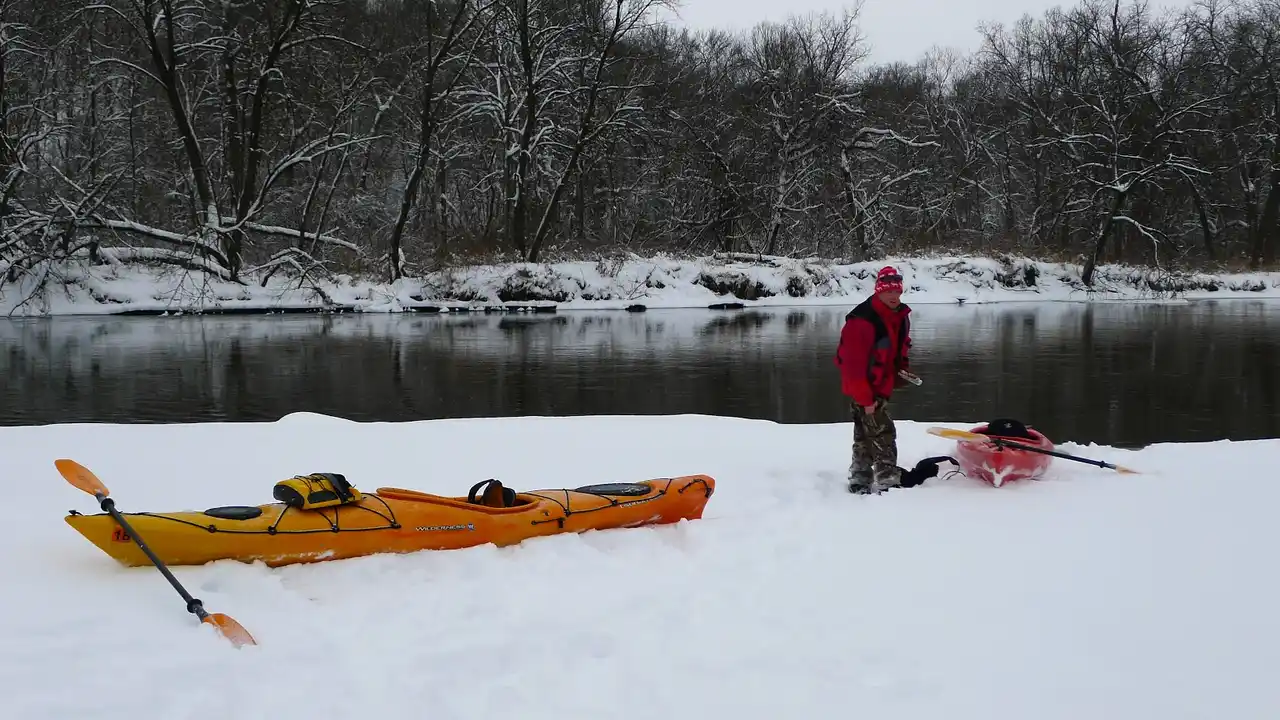
\n\nBoth kayaks and canoes can be used for winter paddling, but each has its pros and cons.
\n\nKayaks for Solo Winter Adventures and Stability
\n\nKayaks, especially sit-inside models, offer more protection from the elements. They are generally more stable and easier to maneuver in windy conditions. Sea kayaks are particularly well-suited for longer winter trips on open water.
\n\nRecommended Winter Kayak: Wilderness Systems Tsunami 145
\n- \n
- Features: Stable hull design, comfortable outfitting, and ample storage for gear. \n
- Use Case: Excellent for touring on lakes and calm rivers, offering good speed and stability for cold weather conditions. \n
- Price: Around $1,200 - $1,500 USD. \n
Canoes for Group Trips and Gear Hauling Capacity
\n\nCanoes offer more space for gear and are great for group trips. They can be a bit more exposed to the elements, so proper layering is even more critical. They are also more susceptible to wind, so choose calm days or sheltered waterways.
\n\nRecommended Winter Canoe: Old Town Discovery 158
\n- \n
- Features: Durable polyethylene construction, stable hull, and plenty of capacity for gear and multiple paddlers. \n
- Use Case: Ideal for family outings or trips where you need to carry a lot of gear, suitable for calm lakes and slow-moving rivers. \n
- Price: Around $1,000 - $1,300 USD. \n
Top Destinations for Serene Winter Paddling Experiences
\n\nWhile winter paddling can be done almost anywhere there's open water, some places truly shine. Always check local conditions, ice formation, and regulations before heading out.
\n\nLakes and Rivers with Minimal Ice Formation
\n\n- \n
- Lake Tahoe, California/Nevada, USA: Stunning clear waters surrounded by snow-capped mountains. Certain sections remain ice-free. \n
- Boundary Waters Canoe Area Wilderness, Minnesota, USA (early winter): Before deep freeze, some lakes offer incredible solitude. Requires careful planning and cold-weather expertise. \n
- Finger Lakes, New York, USA: Deeper lakes like Seneca and Cayuga often remain open, offering beautiful winter scenery. \n
- Pacific Northwest Coast, USA/Canada: Sheltered coves and inlets can offer year-round paddling with stunning coastal views. \n
Coastal Areas and Sheltered Bays for Winter Paddling
\n\n- \n
- Florida Everglades, USA: A unique tropical winter paddling experience, avoiding the summer heat and bugs. \n
- Baja California Sur, Mexico: Sea kayaking in the Sea of Cortez offers warm winter temperatures and incredible marine life. \n
- Ha Long Bay, Vietnam: While not 'cold' winter, the cooler, drier season offers clearer skies and fewer crowds for a magical paddling experience. \n
- Southern Thailand Islands (e.g., Krabi, Phuket): The dry season (winter in the Northern Hemisphere) is perfect for sea kayaking among limestone karsts. \n
Planning Your Winter Paddling Trip Logistics and Preparation
\n\nA successful winter paddle is all about meticulous planning.
\n\nChecking Weather Forecasts and Water Conditions
\n\nThis is paramount. Look for calm days with minimal wind. Check water temperatures, not just air temperatures. Be aware of ice formation, especially near shorelines or in shallow areas. Avoid paddling near moving ice or unstable ice sheets.
\n\nPacking Essentials and Emergency Preparedness
\n\nDouble-check your gear list. Pack more than you think you'll need in terms of warm layers. Ensure all your safety gear is accessible. Tell someone your exact route and expected return time. Have a backup plan in case conditions change or an emergency arises.
\n\nTransportation and Launching Considerations in Cold Weather
\n\nGetting your boat to the water can be tricky with snow and ice. Ensure your vehicle is winter-ready. Launching and landing spots might be slippery, so wear appropriate footwear with good grip. Be extra careful when getting in and out of your boat.
\n\nMaintaining Your Paddling Gear for Longevity
\n\nAfter your winter adventure, proper gear care is essential. Rinse your dry suit and other gear with fresh water, especially if you've been in saltwater. Hang everything to dry thoroughly in a well-ventilated area, away from direct sunlight or heat. Store your boat properly to prevent damage from freezing temperatures or snow accumulation. Regular maintenance will ensure your gear is ready for your next cold-weather escapade.
\n\nWinter paddling is an incredible way to connect with nature and challenge yourself. With the right gear, proper planning, and a strong focus on safety, you can unlock a whole new world of serene beauty and unforgettable experiences on the water. So, bundle up, grab your paddle, and get ready to explore the quiet magic of winter from a unique perspective!
" } ] }:max_bytes(150000):strip_icc()/277019-baked-pork-chops-with-cream-of-mushroom-soup-DDMFS-beauty-4x3-BG-7505-5762b731cf30447d9cbbbbbf387beafa.jpg)