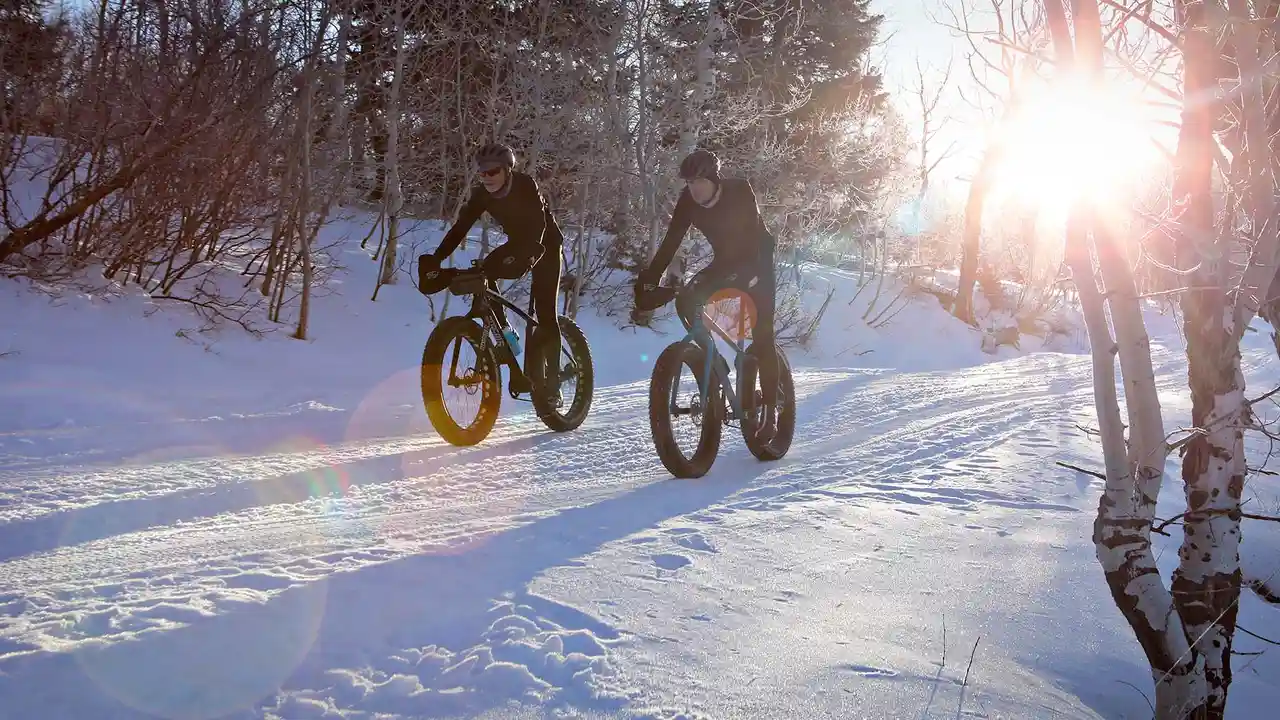
Explore snowy terrain on a fat bike. Find the best fat biking trails and tips for riding in winter conditions.
Fat Biking Trails and Tips Your Ultimate Winter Cycling Guide
Hey there, winter adventurers! Ever looked out at a snow-covered landscape and wished you could still hit the trails on two wheels? Well, guess what? You absolutely can, thanks to the awesome world of fat biking! These aren't your average mountain bikes; fat bikes are specifically designed to conquer snow, sand, and other soft, challenging terrains with their super-wide tires and unique geometry. If you're looking to extend your cycling season year-round and experience the thrill of riding through a winter wonderland, fat biking is definitely for you. Let's dive deep into everything you need to know, from finding the perfect trails to picking the right gear and even some specific product recommendations to get you rolling.
What is Fat Biking Understanding the Wide Tire Phenomenon
So, what exactly makes a fat bike 'fat'? It's all about those tires! We're talking about tires that are typically 3.8 inches or wider, mounted on rims that are 65mm or wider. This massive contact patch allows the bike to float over soft surfaces like snow and sand, giving you incredible traction and stability where a regular mountain bike would just sink. The lower tire pressures (often as low as 5-10 PSI, compared to 20-30 PSI for mountain bikes) further enhance this floatation and provide a surprisingly comfortable ride, absorbing bumps and uneven terrain like a dream. Fat bikes usually feature rigid forks, though some full-suspension models are emerging, and they often have simpler drivetrains to minimize issues with snow and ice. They're built tough, designed for adventure, and are an absolute blast to ride.
Finding the Best Fat Biking Trails Winter Riding Destinations
One of the coolest things about fat biking is that it opens up a whole new world of winter exploration. While many mountain bike trails close for the season, dedicated fat bike trails, or multi-use trails that allow fat bikes, pop up everywhere. Here's what to look for and some general types of places where you'll find prime fat biking action:
Groomed Snow Trails Fat Bike Specific Paths
These are the holy grail for fat bikers. Many cross-country ski centers, state parks, and even some dedicated bike parks are now grooming specific trails for fat bikes. Groomed trails offer a smooth, packed surface that's perfect for maintaining speed and flow. They often have varying levels of difficulty, from beginner-friendly loops to more challenging singletrack. Always check the trail conditions before you go; a freshly groomed trail after a light snowfall is pure bliss, but a warm day can turn it into slush.
Multi-Use Trails Shared Winter Recreation Areas
Many hiking, snowshoeing, and even snowmobile trails can be excellent for fat biking, provided they are packed down. The key here is 'packed down.' Riding on fresh, deep powder is incredibly difficult and often not allowed as it can damage the trail for other users. Look for trails that see a lot of foot traffic or have been used by snowmobiles, as these will offer a firmer surface. Always be respectful of other trail users and yield the right of way.
Local Parks and Greenways Urban Fat Biking Opportunities
Don't underestimate your local parks! Even urban greenways or large park systems can offer fantastic fat biking opportunities after a snowfall. If the snow isn't too deep and has been packed down by walkers, you might find some surprisingly fun loops right in your backyard. This is a great way to get a quick ride in without having to travel far.
Backcountry and Wilderness Areas Advanced Fat Biking Expeditions
For the truly adventurous, fat bikes can open up access to remote backcountry areas in winter. This requires significant experience, proper navigation skills, and avalanche awareness if you're in mountainous terrain. Always go with experienced partners, carry appropriate safety gear (like an avalanche beacon, shovel, and probe if applicable), and let someone know your plans. This isn't for beginners, but it offers unparalleled solitude and beauty.
Essential Fat Biking Tips Mastering Winter Riding
Fat biking isn't just mountain biking in the snow; it requires a slightly different approach. Here are some key tips to make your winter rides more enjoyable and safe:
Tire Pressure is King Fat Bike PSI Optimization
This is perhaps the most crucial aspect of fat biking. Your tire pressure will vary wildly depending on snow conditions, rider weight, and personal preference. For soft, fresh snow, you might go as low as 3-5 PSI. For packed, firmer snow, you might be in the 8-12 PSI range. Too much pressure and you'll lose traction and float; too little and you'll feel sluggish and risk rim strikes. Experiment with a low-pressure gauge and find what works best for the conditions. A good starting point is to be able to visibly see the tire bulge slightly when you're sitting on the bike.
Layer Up Smartly Winter Cycling Apparel
Dressing for fat biking is all about layering. You'll be working hard, so you'll generate a lot of heat, but you also need protection from the cold, wind, and snow. Think moisture-wicking base layers, an insulating mid-layer, and a windproof/water-resistant outer shell. Don't forget warm gloves or pogies (bar mitts), a warm hat or helmet liner, and insulated winter cycling boots. It's better to start a little cold and warm up than to overheat and get sweaty, which can lead to chilling.
Maintain Momentum and Smooth Pedaling Fat Bike Technique
Unlike summer riding where you might power through obstacles, fat biking in snow often requires a smoother, more consistent pedaling style. Try to maintain momentum, especially on climbs or through soft sections. Avoid sudden braking or sharp turns, as this can cause you to lose traction. Look ahead, anticipate changes in terrain, and try to keep your weight balanced over the bike.
Hydration and Nutrition Winter Riding Fuel
Even in cold weather, you'll be sweating and expending a lot of energy. It's easy to forget to drink when it's cold, but staying hydrated is just as important as in summer. Carry an insulated water bottle or a hydration pack with an insulated hose to prevent your water from freezing. Pack energy-dense snacks that are easy to eat with gloves on.
Bike Maintenance for Winter Conditions Cold Weather Care
Winter riding can be tough on your bike. Salt, sand, and slush can wreak havoc on your drivetrain and components. After every ride, give your bike a quick rinse to remove corrosive elements, especially from the drivetrain. Lubricate your chain regularly with a wet lube designed for cold, wet conditions. Check your brakes and shifting frequently, as cables can freeze or become sluggish.
Recommended Fat Bikes and Gear Your Winter Riding Arsenal
Ready to get your own fat bike? Here are some popular and highly-rated options, along with essential gear to consider. Prices are approximate and can vary based on model year, sales, and retailers.
Fat Bike Models Top Picks for Snow Riding
Salsa Mukluk Versatile All-Rounder
- Description: The Salsa Mukluk is a highly versatile fat bike known for its balanced geometry, making it great for everything from groomed trails to bikepacking adventures. It often features multiple mounting points for bags and cages, making it a favorite for longer winter expeditions. It's available in various builds, from aluminum to carbon.
- Key Features: Often comes with a carbon fork for weight savings, excellent tire clearance, and a comfortable ride.
- Use Case: Ideal for riders who want a do-it-all fat bike for groomed trails, ungroomed snow, and even summer bikepacking.
- Approximate Price: $1,800 - $3,500+ depending on build and materials.
Surly Ice Cream Truck Durable Trail Crusher
- Description: The Surly Ice Cream Truck is a burly, steel-framed fat bike built for durability and tackling the toughest conditions. It's known for its stable geometry and ability to handle rough terrain, making it a favorite among riders who prioritize robustness and a classic feel.
- Key Features: Steel frame for compliance and durability, excellent tire clearance, and a no-nonsense approach to winter riding.
- Use Case: Perfect for riders who want a bombproof fat bike for aggressive trail riding, deep snow, and general ruggedness.
- Approximate Price: $1,700 - $2,500.
Specialized Fatboy Lightweight Performance
- Description: The Specialized Fatboy aims for a lighter, more agile fat biking experience. While still capable in snow, it often feels more like a traditional mountain bike, making it a good choice for riders coming from an MTB background who want a nimble ride.
- Key Features: Often features an aluminum frame for lighter weight, responsive handling, and good component specs.
- Use Case: Great for riders looking for a more performance-oriented fat bike for faster trail riding and less extreme snow conditions.
- Approximate Price: $1,500 - $2,800.
Rocky Mountain Blizzard Canadian Winter Specialist
- Description: Designed in Canada, the Rocky Mountain Blizzard is built specifically for harsh winter conditions. It often features a more aggressive geometry than some other fat bikes, making it capable on technical snowy trails.
- Key Features: Often comes with a suspension fork option, robust components, and geometry optimized for snow and ice.
- Use Case: Excellent for riders in areas with significant snowfall and those who enjoy technical winter singletrack.
- Approximate Price: $1,600 - $3,000+.
Essential Fat Biking Gear Beyond the Bike
45NRTH Wolvhammer Winter Cycling Boots
- Description: These are widely considered some of the best winter cycling boots on the market. They are heavily insulated, waterproof, and designed to keep your feet warm and dry in extreme cold. They also have a stiff sole for efficient pedaling and a grippy outsole for walking in snow.
- Use Case: Essential for anyone riding in temperatures below freezing, especially for longer rides.
- Approximate Price: $300 - $400.
Bar Mitts or Pogies Handlebar Warmth
- Description: These insulated covers attach to your handlebars, creating a warm, windproof pocket for your hands. They allow you to wear thinner gloves inside, maintaining dexterity while keeping your hands toasty.
- Use Case: A game-changer for cold weather riding, especially when temperatures drop significantly.
- Approximate Price: $60 - $100.
Schwalbe Jumbo Jim Tires Fat Bike Tire Options
- Description: A popular choice for fat bike tires, the Schwalbe Jumbo Jim offers a good balance of low rolling resistance and excellent grip in various snow conditions. They are relatively lightweight for a fat bike tire.
- Use Case: A versatile tire for groomed trails, packed snow, and light powder.
- Approximate Price: $100 - $150 per tire.
Studded Fat Bike Tires Icy Conditions Traction
- Description: For icy conditions, studded fat bike tires (like the 45NRTH Dillinger or Wrathchild) are a must. They feature carbide studs embedded in the tread, providing incredible grip on ice and hard-packed snow.
- Use Case: Absolutely essential if you'll be riding on icy trails, frozen lakes, or hard-packed snow that might have ice patches.
- Approximate Price: $180 - $250 per tire.
Topeak JoeBlow Fat Pump High Volume Inflation
- Description: A floor pump specifically designed for fat bike tires, allowing for high volume inflation and precise low-pressure adjustments.
- Use Case: Essential for setting and adjusting your tire pressure before and during rides.
- Approximate Price: $60 - $80.
Insulated Hydration Pack Winter Hydration Solution
- Description: A hydration pack with an insulated reservoir and hose to prevent your water from freezing in cold temperatures. Brands like CamelBak and Osprey offer winter-specific models.
- Use Case: Keeps you hydrated on longer rides without your water turning into ice.
- Approximate Price: $80 - $150.
Comparing Fat Bikes and Mountain Bikes Winter vs. Summer Riding
While fat bikes share some DNA with mountain bikes, they are distinct machines optimized for different conditions. Here's a quick comparison:
Tire Width and Pressure Traction and Floatation
This is the most obvious difference. Fat bikes have much wider tires (3.8-5 inches+) run at very low pressures (3-15 PSI), providing superior floatation and traction on soft surfaces like snow and sand. Mountain bikes typically have tires 2.0-2.6 inches wide, run at higher pressures (20-35 PSI), optimized for dirt, rocks, and roots.
Frame Geometry Stability vs. Agility
Fat bikes often have a more relaxed, stable geometry to handle the unique challenges of riding on snow. They prioritize stability and comfort over aggressive agility. Mountain bikes, especially trail and enduro bikes, are designed for quick handling, jumping, and technical descents on solid ground.
Suspension Rigid vs. Full Suspension
Many fat bikes are rigid (no suspension) as the large tires provide a significant amount of natural suspension. While full-suspension fat bikes exist, they are less common. Most modern mountain bikes feature front suspension (hardtails) or both front and rear suspension (full suspension) to absorb impacts from rough trails.
Weight and Speed Momentum vs. Quickness
Fat bikes are generally heavier than mountain bikes due to the larger tires and often more robust frames. This means they carry momentum well but are slower to accelerate. Mountain bikes are typically lighter and designed for quicker acceleration and climbing efficiency.
Seasonality Year-Round Fun
Fat bikes truly shine in winter, allowing you to ride when other bikes are sidelined. However, they are also perfectly capable of riding in summer on dirt trails, sand, or even gravel. Mountain bikes are primarily designed for dirt trails in warmer conditions, though some can handle light snow.
Fat Biking Safety Considerations Staying Safe in Winter
Riding in winter brings its own set of safety challenges. Always prioritize safety when fat biking:
Check Weather and Trail Conditions Before You Go
Always check the forecast and trail reports before heading out. Snow conditions can change rapidly, and what was a packed trail yesterday might be deep powder or slush today. Avoid riding in whiteout conditions or during heavy snowfall.
Ride with a Buddy or Let Someone Know Your Plans
Especially when venturing into more remote areas, riding with a partner is highly recommended. If you're riding solo, always let someone know where you're going and when you expect to be back.
Carry Essential Repair and Survival Gear
Beyond your usual bike repair kit, consider carrying extra layers, a headlamp (days are short in winter!), a fire starter, a small first-aid kit, and extra food. A portable power bank for your phone is also a good idea, as cold can drain batteries quickly.
Be Aware of Hypothermia and Frostbite Recognize the Signs
Know the symptoms of hypothermia (shivering, confusion, slurred speech) and frostbite (numbness, waxy skin, discoloration). Dress appropriately, stay dry, and take breaks to warm up if needed.
Respect Wildlife and Trail Etiquette Share the Path
Winter can be a challenging time for wildlife. Give animals plenty of space. Always yield to other trail users (hikers, snowshoers, skiers) and be friendly. Leave no trace and pack out everything you pack in.
Fat biking is an incredible way to embrace winter and keep your cycling adventures going all year long. With the right bike, gear, and knowledge, you'll be carving through snowy trails and enjoying the serene beauty of winter from a whole new perspective. So, pump up those tires (or rather, deflate them!), layer up, and get ready to experience the joy of fat biking!
:max_bytes(150000):strip_icc()/277019-baked-pork-chops-with-cream-of-mushroom-soup-DDMFS-beauty-4x3-BG-7505-5762b731cf30447d9cbbbbbf387beafa.jpg)