GPS Devices for Backcountry Skiing Your Ultimate Navigation Guide
Hey there, fellow powder hounds and adventure seekers! So, you've decided to venture beyond the groomed runs and explore the untouched beauty of the backcountry. Awesome choice! But with that freedom comes a whole new level of responsibility, especially when it comes to navigation. Getting lost out there isn't just inconvenient; it can be downright dangerous. That's where a reliable GPS device for backcountry skiing comes in. Think of it as your digital compass, map, and guardian angel all rolled into one. It's not just about finding your way; it's about staying safe, tracking your progress, and making sure you get back to your starting point without a hitch. Let's dive deep into why these gadgets are essential, what to look for, and some top picks that will keep you on track.
Why GPS Devices are Essential for Backcountry Safety and Exploration
You might be thinking, 'I've got a smartphone, isn't that enough?' While smartphones have come a long way, dedicated GPS devices offer a level of ruggedness, battery life, and specialized features that your phone just can't match in the harsh backcountry environment. Imagine your phone dying in sub-zero temperatures, or dropping it in deep snow. Not ideal, right? A good GPS device is built to withstand the elements, has a long-lasting battery, and often comes with preloaded topographic maps that are crucial for understanding terrain. They help you avoid hazards like cliffs and avalanche zones, find the best lines, and even retrace your steps if visibility drops. Plus, many have features like altimeters for accurate elevation readings and barometers for predicting weather changes. It's about having a dedicated tool for a dedicated purpose: your safety and enjoyment in the wild.
Key Features to Look for in a Backcountry GPS Device for Skiing
When you're shopping for a GPS device, it's easy to get overwhelmed by all the specs. But for backcountry skiing, a few features really stand out as non-negotiable. Let's break them down:
Durability and Weather Resistance for Winter Conditions
This is paramount. Your device needs to handle drops, bumps, and exposure to snow, ice, and freezing temperatures. Look for devices with an IPX7 or IPX8 waterproof rating, meaning they can withstand submersion. A rugged casing is also a must. You don't want your navigation tool cracking after a minor tumble.
Battery Life and Power Options for Extended Trips
Long battery life is crucial. Backcountry trips can last hours, or even days, and cold temperatures drain batteries faster. Look for devices that offer 15+ hours of battery life, and ideally, those that use standard AA or AAA batteries so you can easily carry spares. Some even have rechargeable options with power banks, but always have a backup plan for power.
Mapping Capabilities Topographic Maps and Satellite Imagery
This is where the magic happens. You need detailed topographic maps that show elevation contours, trails, water features, and other crucial terrain information. Some devices also offer satellite imagery, which can be incredibly helpful for identifying features like tree lines, open slopes, and potential obstacles. Make sure the maps are preloaded or easily downloadable for your specific region.
Ease of Use and User Interface for Gloved Hands
Trying to navigate a complex menu with frozen fingers or thick gloves is a nightmare. Look for devices with intuitive interfaces, large buttons, and clear, readable screens. Touchscreens are great, but make sure they're responsive even with gloves on. A simple, straightforward design will save you a lot of frustration when you're out in the elements.
Altimeter Barometer and Compass for Comprehensive Data
These integrated sensors provide vital information beyond just your location. An altimeter gives you accurate elevation readings, which is critical for assessing avalanche risk and knowing your position on a slope. A barometer can help you predict changes in weather patterns, like an approaching storm. And a 3-axis electronic compass ensures you know your bearing even when standing still.
Connectivity Options Bluetooth and ANT+ for External Sensors
While not strictly essential for basic navigation, connectivity can enhance your experience. Bluetooth allows you to pair your device with your smartphone for notifications or to upload data. ANT+ lets you connect to external sensors like heart rate monitors or temperature sensors, giving you even more data about your performance and environment.
Top GPS Devices for Backcountry Skiing Product Recommendations and Comparisons
Alright, let's get to the good stuff! Here are some of the most popular and highly-rated GPS devices that backcountry skiers swear by, along with their typical use cases, pros, cons, and approximate pricing.
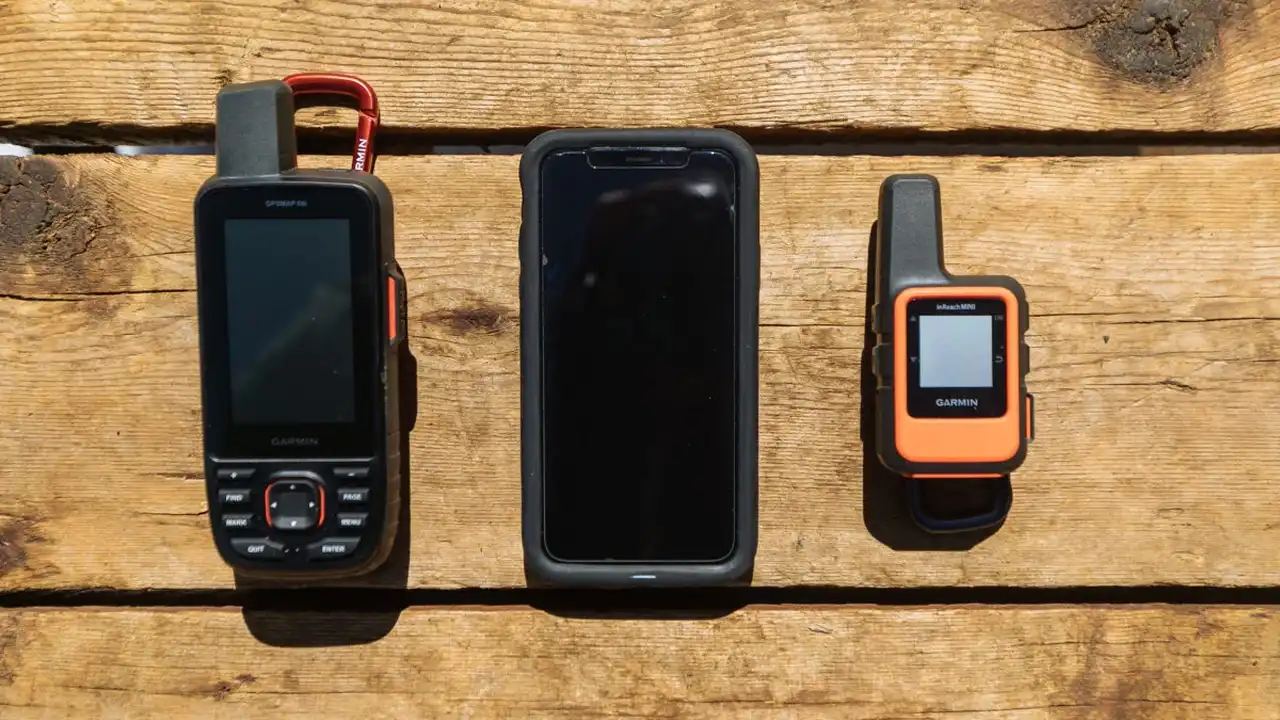
Garmin inReach Mini 2 Compact Satellite Communicator and GPS
Use Case: This is the ultimate safety net for serious backcountry adventurers. It's not just a GPS; it's a satellite communicator. Perfect for solo trips, remote expeditions, or anyone who wants the peace of mind of being able to send SOS messages and two-way texts from anywhere, even without cell service. It's also great for sharing your location with loved ones.
Pros: Unbeatable safety features (SOS, two-way messaging), global satellite coverage, compact and lightweight, excellent battery life, basic navigation features, weather forecasts. You can pair it with your phone for better mapping via the Earthmate app.
Cons: Requires a monthly or annual subscription plan for satellite services, screen is small for detailed mapping (best used with a smartphone app for maps), navigation features are more basic compared to dedicated handheld GPS units.
Approximate Price: $399 - $449 (plus subscription fees starting around $15/month).
Garmin GPSMAP 66sr Robust Handheld GPS with Multi Band GNSS
Use Case: This is a workhorse for dedicated navigators who want precise positioning and detailed mapping without relying on a smartphone. Ideal for multi-day trips, complex terrain, or anyone who prefers a standalone device for all their navigation needs. Great for route planning and tracking.
Pros: Extremely accurate multi-band GNSS (GPS, Galileo, GLONASS) for superior positioning, large color display, preloaded TopoActive maps, excellent battery life (up to 36 hours in GPS mode), rugged and water-resistant, supports BirdsEye Satellite Imagery downloads.
Cons: Larger and heavier than the inReach Mini, higher price point, no satellite messaging built-in (you'd need a separate inReach device for that).
Approximate Price: $449 - $499.
Garmin Fenix 7 Series Premium Multisport GPS Smartwatch
Use Case: For the tech-savvy skier who wants a powerful GPS device on their wrist, combined with advanced fitness tracking and smartwatch features. Perfect for those who want to track their runs, monitor performance metrics, and have navigation readily available without pulling out a separate device. Great for both resort and backcountry skiing.
Pros: Full-color topographic maps on your wrist, excellent battery life (especially solar models), robust build quality, comprehensive activity tracking (skiing, snowboarding, hiking, etc.), heart rate monitoring, pulse ox, music storage, smart notifications. Very convenient.
Cons: Smaller screen size compared to handheld units can make detailed map viewing challenging, higher price point, not as rugged as dedicated handhelds if subjected to extreme impacts, battery life can vary significantly with GPS usage and other features.
Approximate Price: $699 - $999+ (depending on model and features like solar charging).
Suunto 9 Peak Pro Durable GPS Watch for Outdoor Adventures
Use Case: Another excellent GPS watch option, particularly known for its exceptional battery life and robust build. Ideal for long expeditions where battery longevity is critical, and for users who appreciate a sleek design combined with powerful outdoor features. Good for tracking ski tours and general outdoor navigation.
Pros: Outstanding battery life (up to 300 hours in tour mode), very durable and lightweight, accurate GPS tracking, comprehensive sport modes including skiing, barometric altimeter, blood oxygen measurement, fast charging.
Cons: Smaller screen for maps compared to handhelds, mapping features are less detailed than Garmin's offerings (more breadcrumb trail than full topo), user interface can have a learning curve for some, higher price.
Approximate Price: $549 - $629.
Comparison Table for Backcountry GPS Devices
| Feature | Garmin inReach Mini 2 | Garmin GPSMAP 66sr | Garmin Fenix 7 Series | Suunto 9 Peak Pro |
|---|---|---|---|---|
| Primary Function | Satellite Communicator & Basic GPS | Dedicated Handheld GPS | Multisport GPS Smartwatch | Durable GPS Watch |
| Mapping Detail | Basic (best with phone app) | Excellent (TopoActive maps) | Good (on-wrist topo maps) | Basic (breadcrumb, less detail) |
| Satellite Messaging | Yes (subscription required) | No | No | No |
| Battery Life (GPS Mode) | Up to 14 days | Up to 36 hours | Up to 57 hours (Fenix 7) | Up to 40 hours (Performance) |
| Screen Size | Small (0.9" x 0.9") | Large (3") | Medium (1.3" - 1.4") | Small (1.2") |
| Ruggedness | Very High | Very High | High | High |
| Typical Price | $399-$449 + sub | $449-$499 | $699-$999+ | $549-$629 |
Choosing the Right GPS Device for Your Backcountry Skiing Adventures
So, how do you pick the perfect one from these awesome options? It really boils down to your specific needs, budget, and how you plan to use it. Here are some scenarios to help you decide:
For the Safety Conscious Solo Skier or Remote Explorer
If your top priority is safety and the ability to communicate from anywhere, the Garmin inReach Mini 2 is your best bet. Its satellite messaging and SOS capabilities are unparalleled. You can pair it with your smartphone for better mapping, but its core strength is communication and emergency services. It's a small investment for immense peace of mind.
For the Dedicated Navigator Who Prefers a Standalone Device
If you want a robust, reliable, and highly accurate GPS unit with detailed maps that doesn't rely on your phone, the Garmin GPSMAP 66sr is an excellent choice. It's built for the outdoors, has a great screen for viewing maps, and its multi-band GNSS ensures you always know exactly where you are. This is for the purist who values dedicated navigation.
For the All-in-One Tech Enthusiast and Performance Tracker
If you love having all your data on your wrist – navigation, performance metrics, heart rate, and more – then a premium GPS smartwatch like the Garmin Fenix 7 Series or Suunto 9 Peak Pro is ideal. They offer incredible convenience and a wealth of features for tracking your ski tours and overall fitness. Just be mindful of the smaller screen for detailed map viewing and ensure you're comfortable with the price tag.
Budget Considerations and Value for Money
While GPS devices can be an investment, think of it as an investment in your safety. The inReach Mini 2 offers incredible value for its safety features, even with the subscription. The GPSMAP 66sr provides top-tier navigation for a reasonable price. The watches are pricier but offer a broader range of features for daily use beyond just skiing. Consider what features you'll truly use and how often, and balance that against the cost.
Tips for Maximizing Your GPS Device in the Backcountry
Having a great GPS device is one thing; knowing how to use it effectively is another. Here are some pro tips to get the most out of your new gear:
Pre Trip Planning and Route Loading for Seamless Navigation
Before you even hit the snow, spend time planning your route. Use mapping software (like Garmin BaseCamp or CalTopo) to create waypoints, define your path, and identify potential hazards. Load these routes onto your GPS device. This way, you're not figuring things out on the fly when you're cold and tired.
Battery Management in Cold Weather to Extend Device Life
Cold drains batteries faster. Keep your GPS device close to your body (e.g., in an inner pocket) when not in use to keep it warm. Carry spare batteries (lithium batteries perform better in cold) or a fully charged power bank. Turn off unnecessary features like Bluetooth or backlight when not needed to conserve power.
Pairing with a Smartphone App for Enhanced Mapping and Data
Even if you have a dedicated GPS, pairing it with a smartphone app (like Garmin Connect, Earthmate, or Gaia GPS) can enhance your experience. Your phone's larger screen makes map viewing easier, and you can often access more detailed maps or satellite imagery. Just remember your phone is a secondary tool, not a primary one, due to its limitations in cold and rugged environments.
Regular Software Updates for Optimal Performance and Features
Manufacturers frequently release software updates that improve GPS accuracy, add new features, and fix bugs. Make sure your device's firmware is always up to date. This ensures you're getting the best performance and the latest capabilities.
Practice and Familiarization Before Your First Backcountry Trip
Don't wait until you're in a whiteout to learn how to use your GPS. Practice in a familiar area. Learn how to mark waypoints, navigate to a point, follow a track, and use all the key features. The more familiar you are with your device, the more confident and safe you'll be when it really counts.
So there you have it! A reliable GPS device is an indispensable tool for anyone venturing into the backcountry on skis. It's not just about finding your way; it's about making informed decisions, staying safe, and truly enjoying the freedom and beauty of untouched winter landscapes. Choose wisely, practice often, and happy shredding out there!
:max_bytes(150000):strip_icc()/277019-baked-pork-chops-with-cream-of-mushroom-soup-DDMFS-beauty-4x3-BG-7505-5762b731cf30447d9cbbbbbf387beafa.jpg)