Winter Wildlife Spotting Guide Your Ultimate Companion
Hey there, fellow nature enthusiasts! Ever wondered what happens to all those amazing creatures when the snow starts falling and the temperatures drop? Well, many of them are still out and about, adapting to the frosty conditions and offering some truly unique viewing opportunities. Winter wildlife spotting isn't just about seeing animals; it's about understanding their incredible resilience, their survival strategies, and the delicate balance of nature even in its harshest season. This guide is your go-to resource for making the most of your winter wildlife adventures, whether you're a seasoned tracker or just starting out.
Understanding Winter Wildlife Behavior Adaptations and Survival
Winter presents a unique set of challenges for wildlife. Food becomes scarce, temperatures plummet, and shelter is harder to find. But animals are incredibly adaptable! Many species have developed fascinating strategies to cope. Some, like bears and groundhogs, enter a state of hibernation or torpor, slowing down their metabolic rates to conserve energy. Others, like many bird species, undertake incredible migrations to warmer climates. Then there are the hardy residents who stick it out, developing thick coats, changing their diets, or even altering their physiology to survive. Understanding these behaviors is key to successful spotting. For instance, knowing that deer often browse on twigs and bark in winter can help you locate their feeding grounds. Recognizing the tracks of a fox hunting for voles under the snow can lead you to a fascinating observation.
Best Times and Locations for Winter Wildlife Viewing Prime Spotting Opportunities
Timing and location are everything when it comes to wildlife spotting. In winter, animals often conserve energy, meaning they might be less active during the coldest parts of the day. Early mornings and late afternoons, when temperatures are slightly milder and light is softer, are often the best times. Animals might be more active as they search for food or water. As for locations, look for areas that offer a combination of food sources, shelter, and water. Riverbanks and unfrozen streams can be magnets for animals needing a drink. Edges of forests, where different habitats meet, are often bustling with activity. South-facing slopes, which receive more sunlight and might have less snow cover, can also be good spots for grazing animals. Don't forget about your own backyard! Bird feeders can attract a surprising variety of winter birds, and even urban parks can host resilient species.
Essential Gear for Winter Wildlife Spotting What to Bring
Being prepared is crucial for a comfortable and successful winter wildlife outing. Here's a rundown of what you'll need:
Warm Clothing Layering for Comfort and Safety
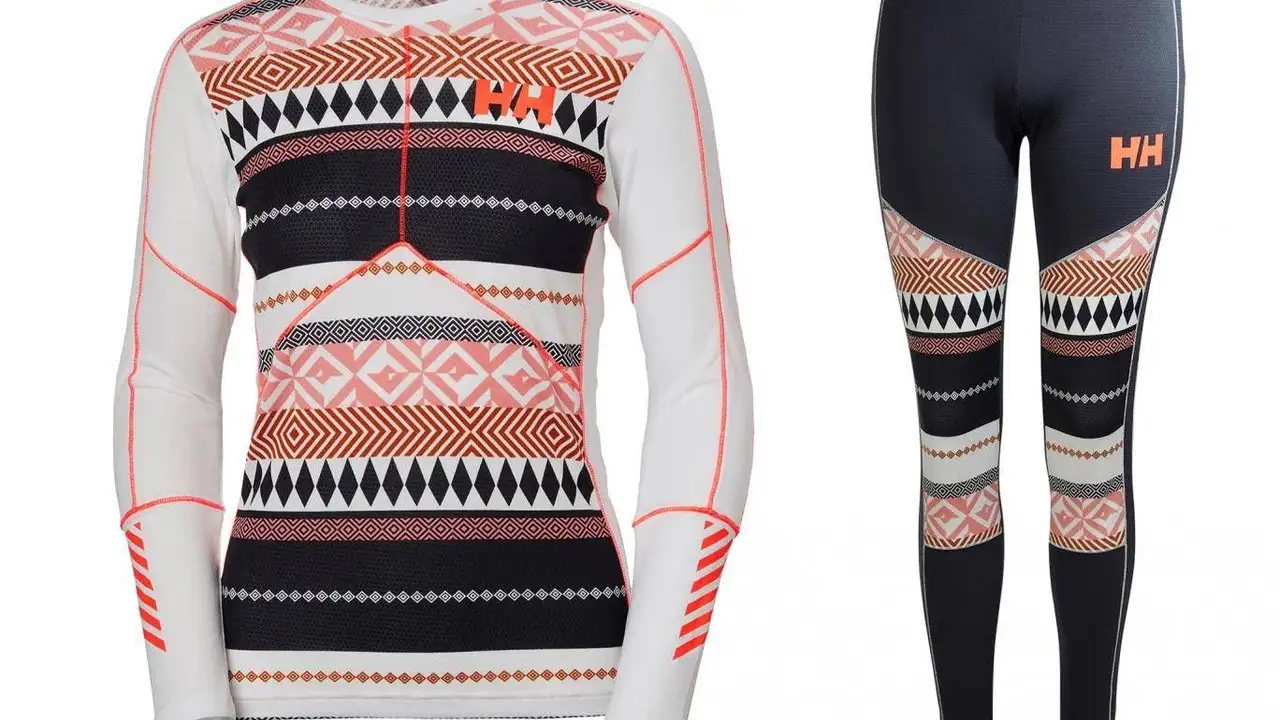
This is non-negotiable. Dress in layers to regulate your body temperature. A moisture-wicking base layer, an insulating middle layer (fleece or down), and a waterproof/windproof outer shell are ideal. Don't forget warm socks, waterproof boots, gloves or mittens, and a hat. Remember, you'll likely be stationary for periods, so over-dressing is better than under-dressing.
Optics Binoculars and Spotting Scopes for Clear Views
These are your best friends for getting close-up views without disturbing the animals. Binoculars are great for general viewing, while a spotting scope offers incredible magnification for distant subjects. Look for models that perform well in low light conditions, which are common in winter.
Recommended Binoculars:
- Nikon Monarch M5 10x42: A fantastic all-rounder. These binoculars offer excellent clarity, a wide field of view, and are relatively lightweight. They're durable and fog-proof, perfect for winter conditions. Expect to pay around $250-$300. Great for birdwatching and general wildlife observation.
- Vortex Optics Diamondback HD 10x42: Known for their impressive optical quality for the price. They're rugged, waterproof, and come with an excellent warranty. Ideal for those who want a reliable pair without breaking the bank. Price point is typically $200-$250.
- Zeiss Terra ED 8x42: If you're looking for a step up in quality and don't mind spending a bit more, these offer superior brightness and color fidelity. They're compact and ergonomic, making them comfortable for long periods of use. Priced around $400-$500.
Recommended Spotting Scopes:
- Celestron Ultima 80 Angled Spotting Scope: A popular choice for beginners and intermediate users. It offers good magnification (20-60x) and a clear image for its price. Comes with a soft carrying case. Around $200-$250. Best for stationary viewing from a distance, like observing eagles or deer across a valley.
- Vortex Optics Diamondback HD 20-60x85 Spotting Scope: A more robust option with excellent light gathering capabilities, especially useful in low winter light. It's waterproof and fog-proof, built to withstand harsh conditions. Expect to pay around $600-$700. Ideal for serious wildlife photographers or those who spend extended periods observing.
Camera Gear Capturing the Moment
If you're into photography, a good camera with a telephoto lens is essential. Remember extra batteries, as cold drains them quickly. A tripod can also be invaluable for sharp images, especially with longer lenses.
Recommended Cameras for Wildlife Photography:
- Sony Alpha a6100 with 70-350mm Lens: A great mirrorless option for its fast autofocus and excellent image quality in a compact body. The 70-350mm lens provides significant reach for wildlife. Body and lens kit typically around $1,400-$1,600. Good for active photographers who need a lightweight setup.
- Canon EOS Rebel T7i with 75-300mm Lens: A solid DSLR choice for beginners. It's user-friendly and capable of producing great images. The 75-300mm lens is a good starting point for wildlife. Kit price around $800-$900.
- Nikon D500 with 200-500mm Lens: For the more serious enthusiast, this DSLR offers professional-grade autofocus, high burst rates, and excellent low-light performance. The 200-500mm lens is fantastic for distant subjects. Body and lens can be $2,500-$3,000+. This setup is heavier but delivers exceptional results.
Navigation Tools Maps Compass and GPS
Even if you know the area, winter conditions can make trails hard to follow. A map, compass, and a fully charged GPS device or smartphone with offline maps are crucial for safety. Tell someone where you're going and when you expect to return.
Other Essentials Snacks Water and Safety Items
Bring high-energy snacks, a thermos with a hot beverage, and plenty of water (even in winter, hydration is important). A first-aid kit, headlamp, and a whistle are also smart additions. Consider bringing a small sit pad to stay warm when observing.
Tracking and Identifying Winter Wildlife Signs and Clues
Animals leave behind a wealth of clues, especially in the snow. Learning to read these signs can turn a simple walk into a detective mission.
Animal Tracks Reading the Snow's Story
Snow is like a blank canvas, perfectly preserving the footprints of passing animals. Look for patterns, size, and stride length. Are there claw marks? How many toes? Is it a direct register (hind foot lands in front foot's print) or an indirect register? A good field guide to animal tracks is invaluable here. For example, a deer track will show two distinct hoof prints, while a rabbit's tracks often show a bounding pattern with the larger hind feet landing in front of the smaller front feet.
Scat and Pellets Evidence of Diet and Presence
Animal droppings can tell you a lot about what an animal has been eating and what species it is. Bird pellets (regurgitated undigested food) can also be found under roosting sites. Look for size, shape, and contents (e.g., berries, fur, bones).
Browsing and Gnawing Marks Feeding Habits
Deer and elk often browse on twigs and bark, leaving ragged edges. Rabbits and voles might gnaw on the base of small trees or shrubs, leaving cleaner cuts. Look for these signs on vegetation, especially where snow cover is thin.
Dens and Nests Winter Homes
While many animals are secretive about their dens, you might spot entrances or signs of activity around them. Look for tree cavities, brush piles, or burrows in the snow. Bird nests, often more visible in winter once leaves have fallen, can give clues about local bird populations.
Vocalizations Listening for Calls and Songs
Even in winter, many birds and some mammals are vocal. Learning common calls can help you locate animals even when they're hidden from view. Owls, for instance, are often more vocal during their winter breeding season.
Common Winter Wildlife Species What to Look For
The species you encounter will depend heavily on your geographic location, but here are some common groups to keep an eye out for:
Birds Winter Residents and Migrants
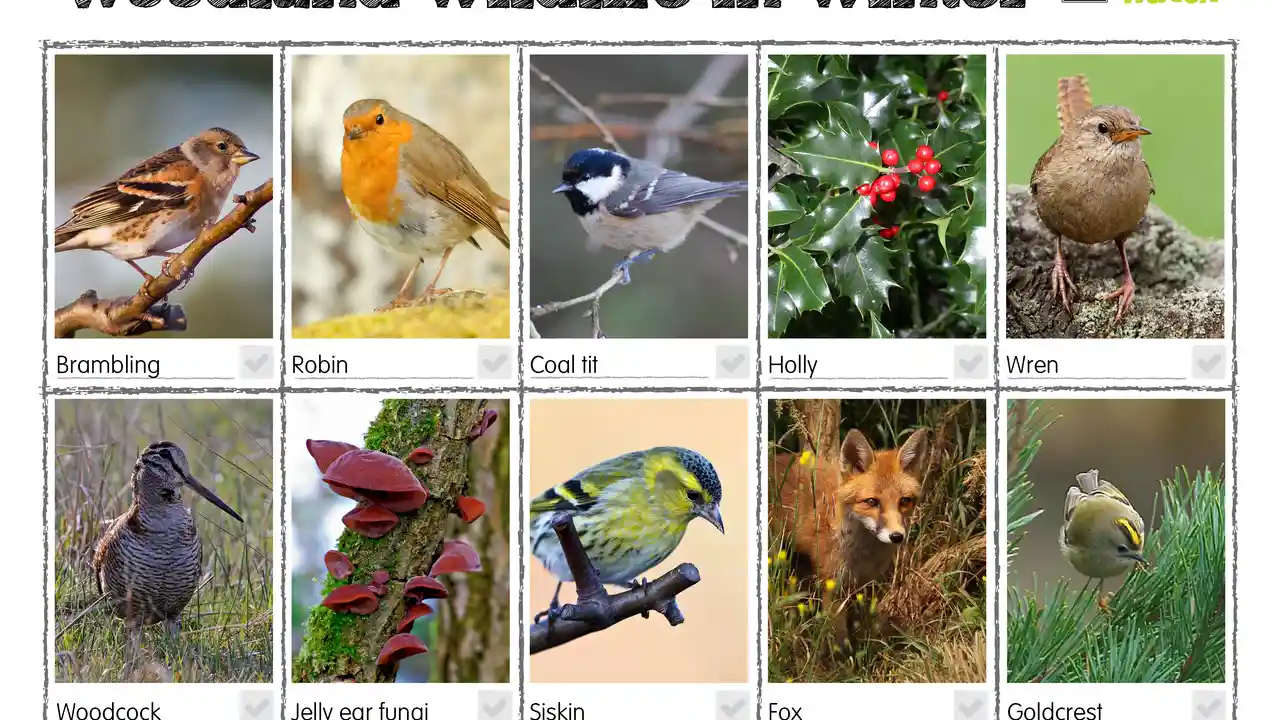
Many bird species tough out the winter. Look for cardinals, juncos, chickadees, nuthatches, and various woodpeckers. Raptors like hawks and owls are often easier to spot against the bare trees. Don't forget about waterfowl on unfrozen bodies of water.
Mammals Deer Foxes and More
Deer are often quite visible, especially in open areas or at forest edges. Foxes, coyotes, and bobcats are more elusive but their tracks are common. Look for signs of rabbits, squirrels, and various rodents. In more remote areas, you might even spot moose, elk, or wolves.
Aquatic Animals Otters and Beavers
If you're near unfrozen rivers or lakes, keep an eye out for otters sliding on the ice or beavers maintaining their lodges. Their activity can be quite fascinating to observe.
Ethical Wildlife Viewing Practices Respecting Nature
Our presence can impact wildlife, especially when they're under the stress of winter. Always prioritize the well-being of the animals.
Maintain a Safe Distance Do Not Disturb
Never approach animals too closely. If an animal changes its behavior because of your presence (e.g., stops feeding, looks agitated, moves away), you're too close. Use your binoculars or scope to get a better view. Disturbing animals can cause them to expend precious energy they need for survival.
Never Feed Wild Animals Keep Them Wild
Feeding wild animals can make them dependent on humans, alter their natural behaviors, and can even be harmful to their health. It can also lead to increased human-wildlife conflicts.
Stay on Designated Trails Protect Habitats
Sticking to trails minimizes your impact on sensitive habitats and reduces the chances of disturbing hidden animals or their dens.
Leave No Trace Pack It In Pack It Out
Take everything you bring with you, and leave the area as you found it. This includes all trash, food scraps, and even organic materials that don't belong.
Respect Private Property and Regulations Know Before You Go
Always be aware of land ownership and any specific regulations for the area you're visiting. Some areas might have restrictions on access or activities during winter to protect wildlife.
Winter Wildlife Photography Tips Capturing the Beauty
Photographing wildlife in winter offers unique challenges and rewards. The stark landscapes and often dramatic light can create stunning images.
Exposure Compensation Dealing with Snow
Snow can trick your camera's light meter, often leading to underexposed images. You'll typically need to use positive exposure compensation (+0.7 to +1.7 stops) to ensure the snow appears white, not gray.
Focusing in Low Light Sharpness is Key
Winter often means less intense light. Use your camera's fastest autofocus settings and consider using a tripod for sharper images, especially with long lenses.
Protecting Your Gear Cold Weather Care
Keep extra batteries warm (e.g., in an inside pocket). When moving from cold outdoors to warm indoors, place your camera in a sealed plastic bag to prevent condensation from forming on and inside the camera. Let it warm up slowly.
Composition and Storytelling Beyond the Snapshot
Look for interesting compositions. Use the snow to create clean backgrounds that make your subject pop. Capture behaviors that tell a story – an animal foraging, a bird taking flight, or tracks leading into the distance.
Safety First Winter Preparedness
Winter conditions can be unpredictable and dangerous. Your safety is paramount.
Check Weather Forecasts Be Prepared for Changes
Always check the weather before heading out and be prepared for sudden changes. Snowstorms can roll in quickly, and temperatures can drop dramatically.
Travel with a Buddy Safety in Numbers
It's always safer to go with a friend, especially in remote or challenging winter conditions. If something goes wrong, you'll have help.
Know Your Limits Don't Push It
Be realistic about your physical capabilities and the conditions. If the snow is too deep, the ice too thin, or the weather too severe, it's okay to turn back and try another day.
Emergency Preparedness What If Things Go Wrong
Carry a fully charged phone, but don't rely on it for navigation or emergencies in areas with no signal. A whistle, fire starter, emergency blanket, and extra food are good additions to your pack. Let someone know your plans.
Winter wildlife spotting is a truly magical experience. It offers a chance to connect with nature on a deeper level, to witness the incredible resilience of life, and to enjoy the serene beauty of a snow-covered landscape. By being prepared, respectful, and observant, you'll unlock a world of wonder that many people miss. So bundle up, grab your binoculars, and head out there – the winter wilderness is waiting to share its secrets with you!
:max_bytes(150000):strip_icc()/277019-baked-pork-chops-with-cream-of-mushroom-soup-DDMFS-beauty-4x3-BG-7505-5762b731cf30447d9cbbbbbf387beafa.jpg)