Relax and rejuvenate in natural hot springs during winter. Discover the best thermal baths for a warm escape.
Hot Springs for Winter Relaxation Your Ultimate Guide
There's something truly magical about soaking in a natural hot spring while the crisp winter air surrounds you, perhaps even as snowflakes gently fall. It's a unique blend of warmth and chill, a perfect antidote to the winter blues, and an incredible way to unwind after a day of skiing, snowboarding, or simply exploring snowy landscapes. Natural hot springs, fed by geothermally heated groundwater, offer a rich mineral content that many believe provides therapeutic benefits, from soothing sore muscles to improving skin conditions. Beyond the physical relief, the serene environment of many hot springs provides a mental escape, allowing you to disconnect from daily stresses and reconnect with nature.
This guide will dive deep into the world of winter hot springs, exploring why they're such a fantastic winter activity, what to look for in a great hot spring experience, and recommending some of the best natural thermal baths around the globe. We'll also touch upon essential gear, safety tips, and even some specific product recommendations to enhance your hot spring adventure.
Why Winter Hot Springs Are the Best Cold Weather Escape
While hot springs are enjoyable year-round, winter truly elevates the experience. The contrast between the warm water and the cold air is invigorating. Imagine steam rising around you, creating a mystical atmosphere, as you gaze at snow-capped mountains or a starlit sky. It's an unparalleled sensory experience that offers numerous benefits:
- Muscle Relaxation and Recovery: The warm, mineral-rich water is excellent for soothing tired muscles after winter sports like skiing, snowboarding, or hiking. The buoyancy of the water also reduces pressure on joints.
- Stress Reduction: The tranquil environment and the warmth of the water promote relaxation, helping to reduce stress and anxiety.
- Improved Circulation: The heat from the water can help dilate blood vessels, improving blood flow throughout the body.
- Skin Benefits: Many hot springs contain minerals like sulfur, magnesium, and calcium, which are believed to have beneficial effects on skin conditions.
- Unique Scenery: Winter transforms many hot spring locations into breathtaking landscapes, offering stunning views that are often inaccessible or less dramatic in other seasons.
- Romantic or Family Getaway: Hot springs provide a perfect setting for a romantic escape or a memorable family outing, offering a unique shared experience.
Choosing Your Perfect Hot Spring Adventure Types and Considerations
Not all hot springs are created equal. They range from rustic, undeveloped pools in the wilderness to luxurious resorts with multiple pools and amenities. Your ideal choice depends on your preferences for accessibility, amenities, and atmosphere.
Wild and Undeveloped Hot Springs The Raw Experience
These are often found in remote locations, requiring a hike or a bit of an adventure to reach. They offer a truly natural and often secluded experience, with minimal to no facilities. The water temperature can vary, and the pools might be simple rock formations. This is for the adventurous soul seeking solitude and an authentic connection with nature.
Developed Hot Springs Resorts and Spas Comfort and Convenience
These are commercial establishments that have harnessed natural hot springs and developed them into accessible, often luxurious, facilities. They typically offer changing rooms, showers, restrooms, and sometimes even lodging, dining, and spa services. The pools are often man-made but filled with natural spring water. They cater to those who prefer comfort and convenience.
Key Considerations for Your Hot Spring Visit
- Accessibility: How easy is it to get there? Do you need a 4x4 vehicle or a long hike?
- Crowd Levels: Some popular hot springs can get very crowded, especially on weekends. If you seek solitude, research less-known spots or visit during off-peak hours.
- Amenities: Do you need changing rooms, restrooms, or food options?
- Water Temperature: Hot springs vary in temperature. Some are very hot, while others are more lukewarm. Check reviews or official websites if you have a preference.
- Mineral Content: Different springs have different mineral compositions, which can affect the water's feel and perceived benefits.
- Cost: Wild hot springs are usually free, while developed resorts can range from affordable entry fees to high-end prices.
- Rules and Regulations: Some hot springs have specific rules regarding clothing (e.g., clothing optional), alcohol, or noise levels.
Top Hot Spring Destinations for Winter Warmth Global Gems
Let's explore some of the most incredible hot spring destinations around the world, perfect for a winter escape. We'll highlight a mix of developed resorts and more natural experiences.
North America's Best Hot Springs for Winter Relaxation
1. Banff Upper Hot Springs Alberta Canada Iconic Mountain Views
Nestled high in the Canadian Rockies, the Banff Upper Hot Springs offer stunning panoramic views of the surrounding mountains, including Mount Rundle and Cascade Mountain. The historic bathhouse adds to the charm. It's a developed facility, making it easily accessible and family-friendly. The water is rich in minerals like sulfate, calcium, and magnesium. It's a perfect stop after a day on the slopes at nearby Lake Louise or Sunshine Village. Expect a comfortable, well-maintained experience with changing rooms and lockers. Typical Price Range: CAD 10-20 per person. Best for: Families, couples, those seeking convenience and stunning scenery.
2. Glenwood Hot Springs Resort Colorado USA The World's Largest Mineral Hot Springs Pool
This iconic resort boasts the world's largest mineral hot springs pool, stretching over two blocks. It's a massive, family-friendly destination with multiple pools, including a warmer therapy pool and a cooler main pool. The water contains 15 different minerals. Beyond the pools, the resort offers lodging, a spa, and dining options. It's a bustling, vibrant atmosphere, especially in winter. Typical Price Range: USD 30-50 per person for day use. Best for: Families, those who enjoy a lively atmosphere and extensive amenities.
3. Mammoth Hot Springs Yellowstone National Park Wyoming USA Unique Terraced Formations
While you can't soak in all of them, Mammoth Hot Springs in Yellowstone is a geological marvel. The hot, acidic water has created stunning travertine terraces in various colors. There are boardwalks for viewing these incredible formations. For soaking, nearby Boiling River (check current conditions as it's often closed) offers a unique experience where a hot spring meets a cold river, allowing you to find your perfect temperature. This is a more rustic, natural experience within a national park setting. Typical Price Range: National Park entrance fee (USD 35 per vehicle). Best for: Nature lovers, photographers, those seeking unique geological wonders.
4. Burgdorf Hot Springs Idaho USA Rustic Backcountry Charm
For a truly rustic and off-the-grid experience, Burgdorf Hot Springs is a gem. Accessible by snowmobile in winter (or a 4x4 in summer), it offers a collection of natural rock-lined pools in a remote, forested setting. There are basic cabins available for overnight stays. It's a step back in time, with no electricity or cell service, forcing you to truly disconnect. The main pool is large, and there are smaller, hotter pools. Typical Price Range: USD 20-30 per person for day use. Best for: Adventurers, those seeking solitude, a true wilderness experience.
Asia's Enchanting Hot Springs for Winter Relaxation
1. Hakone Onsen Kanagawa Japan Traditional Japanese Experience
Hakone, located near Mount Fuji, is one of Japan's most famous onsen (hot spring) towns. It offers a wide variety of traditional ryokans (Japanese inns) with private and public onsen baths. The mineral-rich waters are believed to have various health benefits. Many onsen offer stunning views of the surrounding mountains or even Mount Fuji on clear days. It's a cultural experience, often involving specific onsen etiquette. Typical Price Range: Varies widely, from USD 10-30 for public baths to hundreds for ryokan stays with private onsen. Best for: Cultural immersion, relaxation, those seeking traditional Japanese hospitality.
2. Pamukkale Denizli Turkey Cotton Castle Terraces
Pamukkale, meaning 'cotton castle' in Turkish, is a UNESCO World Heritage site famous for its white travertine terraces formed by mineral-rich thermal waters. While the main terraces are for viewing and walking (shoes off!), there's an ancient Roman pool, Cleopatra's Pool, where you can swim among submerged Roman columns in warm, mineral-rich water. It's a unique historical and natural wonder. Typical Price Range: Entrance fee to Pamukkale site (around USD 20-30), additional for Cleopatra's Pool. Best for: History buffs, photographers, those seeking a unique geological and historical experience.
3. Beitou Hot Spring Taipei Taiwan Urban Oasis
Just a short metro ride from downtown Taipei, Beitou offers a convenient escape to natural hot springs. It's a vibrant hot spring district with public baths, private bathhouses, and luxury hotels. The area is known for its sulfurous waters, which have a distinct smell but are highly regarded for their therapeutic properties. You can choose from various types of springs (white sulfur, green sulfur, iron sulfur). Typical Price Range: From USD 1-2 for public baths to USD 50+ for private rooms. Best for: Urban explorers, those seeking convenience, a quick escape from city life.
Europe's Thermal Wonders for Winter Relaxation
1. Blue Lagoon Grindavik Iceland Geothermal Spa Icon
Perhaps the most famous hot spring in the world, the Blue Lagoon is a geothermal spa known for its milky-blue, silica-rich waters. While it's a man-made lagoon, the water comes directly from a geothermal power plant and is incredibly mineral-rich. It's a luxurious experience with various amenities, including silica mud masks, saunas, steam rooms, and a swim-up bar. Booking in advance is essential, especially in winter. Typical Price Range: USD 70-100+ depending on package. Best for: Luxury seekers, those looking for a unique and iconic spa experience.
2. Szechenyi Thermal Bath Budapest Hungary Grand Historic Baths
Budapest is known as the 'City of Spas,' and Szechenyi is its largest and most famous thermal bath. Housed in a grand Neo-Baroque palace, it features 18 pools, including three large outdoor pools that are open year-round. The water is supplied by two thermal springs. It's a lively, social experience, popular with both locals and tourists. You can even play chess in the outdoor pools! Typical Price Range: USD 20-30 for a day pass. Best for: Socializers, history enthusiasts, those seeking a grand and lively thermal experience.
3. Terme di Saturnia Tuscany Italy Natural Cascading Pools
In the heart of Tuscany, Terme di Saturnia offers both a luxurious resort and a series of stunning natural, cascading pools (Cascate del Mulino) that are free to access. The sulfurous water flows over travertine rock formations, creating beautiful, warm waterfalls and pools. It's a truly picturesque and rustic experience at the natural falls, while the resort offers a more refined spa setting. Typical Price Range: Free for Cascate del Mulino, USD 20-50+ for resort day pass. Best for: Romantics, nature lovers, those seeking a picturesque and authentic Italian experience.
Essential Gear for Your Winter Hot Spring Adventure What to Pack
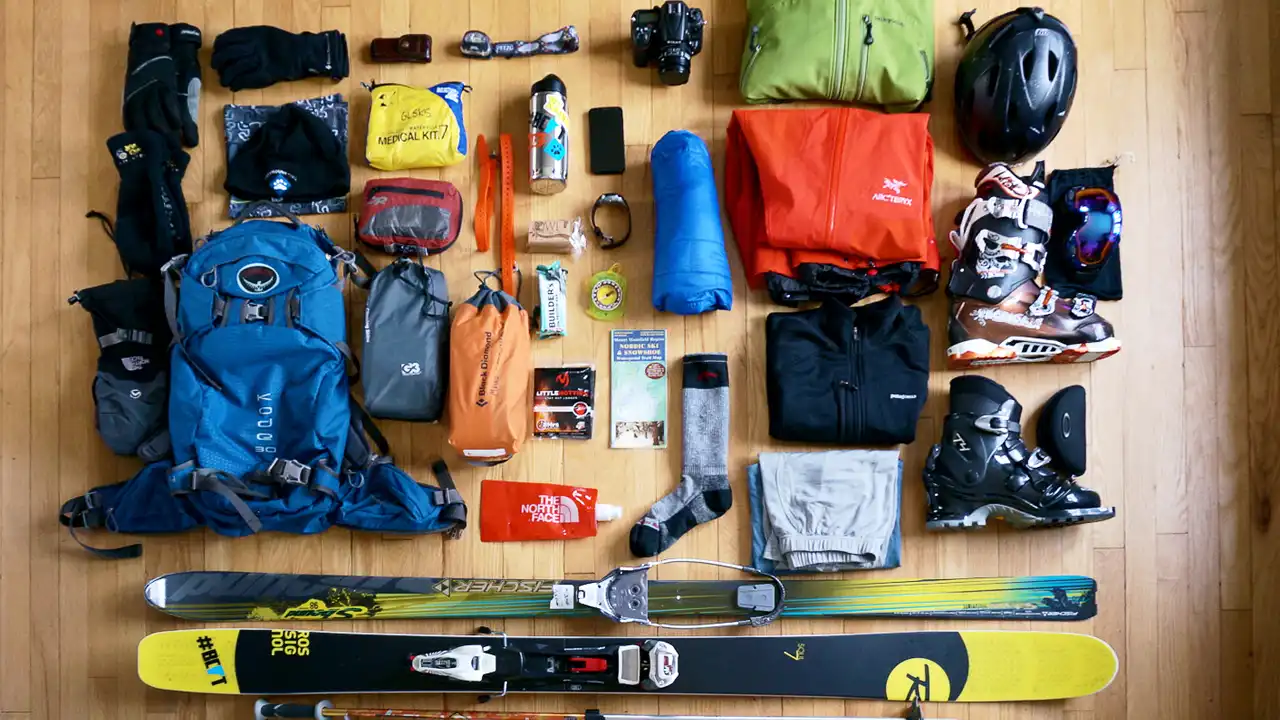
To make your hot spring experience as comfortable and enjoyable as possible, especially in winter, packing the right gear is crucial. Here's a checklist:
- Swimsuit: Obvious, but essential! Consider a quick-drying material.
- Towel: A large, absorbent towel is key. A quick-drying microfiber towel is excellent for travel.
- Waterproof Sandals or Flip-Flops: Protect your feet from cold ground and provide traction on potentially slippery surfaces.
- Warm Robe or Poncho: Crucial for staying warm before and after your soak, especially when moving between pools or to changing rooms.
- Warm Hat: To keep your head warm while soaking, especially if the air is very cold.
- Water Bottle: Staying hydrated is important, even in warm water.
- Snacks: Especially if you're at a more remote hot spring.
- Dry Bag: To keep your electronics and other valuables safe and dry.
- Headlamp or Flashlight: If visiting a rustic hot spring at dawn or dusk.
- Sunscreen and Lip Balm with SPF: Even in winter, UV rays can be strong, especially with snow reflection.
- Change of Warm Clothes: Layers are best for after your soak.
- Plastic Bag: For your wet swimsuit and towel.
Product Recommendations for Enhanced Hot Spring Enjoyment Gear Up
Here are a few specific product recommendations that can significantly enhance your winter hot spring experience, along with their typical price ranges and use cases:
1. Quick-Drying Microfiber Towel The Travel Essential
Product Example: PackTowl Personal Microfiber Towel
Description: These towels are incredibly lightweight, compact, and absorb several times their weight in water, yet dry much faster than traditional cotton towels. They come in various sizes, from face towels to beach towels.
Use Case: Perfect for any hot spring trip, especially if you're traveling light or visiting multiple locations. They pack down small, making them ideal for daypacks or luggage. The quick-drying feature means you won't be carrying a soggy, heavy towel around.
Comparison: Superior to cotton towels for travel due to weight and drying time. Some cheaper microfiber towels might feel less soft, but PackTowl offers a good balance of performance and comfort.
Typical Price Range: USD 15 - USD 50 (depending on size).
2. Waterproof Dry Bag Protect Your Valuables
Product Example: Sea to Summit Lightweight Dry Bag
Description: Made from durable, lightweight nylon, these bags feature a roll-top closure that creates a waterproof seal. They come in various capacities (e.g., 2L, 5L, 10L, 20L).
Use Case: Essential for keeping your phone, wallet, keys, and other electronics safe from splashes, steam, or accidental drops into the water. You can leave it on the edge of the pool or near your changing area with peace of mind.
Comparison: Better than Ziploc bags for long-term or heavy-duty protection. More robust than basic waterproof pouches. Sea to Summit is known for its quality and durability compared to generic brands.
Typical Price Range: USD 15 - USD 40 (depending on capacity).
3. Insulated Water Bottle Stay Hydrated in Style
Product Example: Hydro Flask Wide Mouth Bottle with Flex Cap
Description: Double-wall vacuum insulated stainless steel bottles that keep liquids cold for up to 24 hours and hot for up to 12 hours. Available in many sizes and colors.
Use Case: Crucial for staying hydrated. While you're in warm water, your body is still losing fluids. An insulated bottle ensures your water stays refreshingly cold, or if you prefer, keeps a warm beverage (like tea) hot for after your soak.
Comparison: Hydro Flask is a premium brand known for its superior insulation and durability. Cheaper alternatives exist but may not maintain temperature as effectively or last as long. The wide mouth is easy to clean and fill with ice.
Typical Price Range: USD 30 - USD 60 (depending on size).
4. Warm, Quick-Drying Robe The Post-Soak Comfort
Product Example: Nomadix Original Towel (can double as a robe/poncho) or a dedicated quick-dry robe like the BAGA Quick Dry Robe
Description: Nomadix towels are made from recycled materials, are highly absorbent, quick-drying, and large enough to wrap around like a sarong or light robe. Dedicated quick-dry robes are often made from microfiber or similar materials, designed for warmth and fast drying.
Use Case: Provides immediate warmth and modesty when stepping out of the hot spring into the cold air. Much more comfortable than just a towel, especially if you have a walk to the changing rooms or your car. Essential for staying cozy.
Comparison: Better than a standard cotton robe which would get heavy and stay wet. Nomadix offers versatility, while a dedicated quick-dry robe might offer more coverage and warmth. Consider material and weight for packing.
Typical Price Range: USD 40 - USD 100.
5. Waterproof Phone Pouch Capture the Moment Safely
Product Example: JOTO Universal Waterproof Phone Pouch
Description: A clear, sealed pouch designed to hold most smartphones, allowing you to use the touchscreen and camera while submerged or in wet conditions. Often comes with a lanyard.
Use Case: Perfect for taking photos or videos from within the hot spring without risking water damage to your phone. Great for capturing those misty, snowy hot spring moments. Also useful for keeping your phone dry if you just want it nearby.
Comparison: More convenient than a full dry bag if you only need to protect your phone and want to use it. Ensure it has a reliable sealing mechanism. JOTO is a popular and affordable option, but always test before trusting with your phone.
Typical Price Range: USD 10 - USD 20.
Safety and Etiquette Tips for Hot Spring Visitors Be Prepared
To ensure a safe and respectful experience for everyone, keep these tips in mind:
- Stay Hydrated: The warm water can lead to dehydration. Drink plenty of water before, during, and after your soak.
- Limit Soaking Time: Especially in very hot springs, limit your time to 15-20 minutes at a stretch to avoid overheating. Take breaks.
- Check Water Temperature: Always test the water before fully entering, especially in undeveloped springs where temperatures can vary.
- Be Aware of Surroundings: In natural settings, watch for slippery rocks, uneven terrain, and wildlife.
- Respect Nature: Leave no trace. Pack out everything you pack in. Do not use soaps or shampoos in natural springs.
- Respect Others: Keep noise levels down, especially in natural or quiet settings. Be mindful of personal space.
- No Glass: Many hot springs, especially developed ones, prohibit glass containers for safety reasons.
- Children and Pregnant Women: Consult a doctor before visiting hot springs, especially for very hot ones. Supervise children closely.
- Alcohol Consumption: Be cautious with alcohol, as it can increase the risk of dehydration and impair judgment. Some places prohibit it.
- Check Conditions: In winter, access roads to remote hot springs might be closed or require specific vehicles (e.g., 4x4, snow chains). Always check conditions before you go.
Beyond the Soak Exploring Winter Activities Near Hot Springs
Many hot springs are located in areas rich with other winter activities, making them perfect for a multi-faceted winter vacation. Consider combining your hot spring visit with:
- Skiing and Snowboarding: Many hot springs are near world-class ski resorts, offering the perfect apres-ski relaxation.
- Snowshoeing and Winter Hiking: Explore snowy trails before or after your soak.
- Cross-Country Skiing: Glide through serene winter landscapes.
- Ice Skating: Find outdoor rinks in nearby towns or resorts.
- Wildlife Viewing: Winter often brings unique opportunities to spot animals.
- Stargazing: Away from city lights, hot springs offer incredible opportunities for night sky viewing.
Embracing the warmth of natural hot springs in winter is an experience unlike any other. It's a chance to relax, rejuvenate, and connect with nature in a truly unique way. Whether you choose a luxurious resort or a rustic wilderness pool, the magic of thermal waters in a snowy landscape is sure to leave you feeling refreshed and invigorated. So, pack your bags, grab your swimsuit, and get ready to dive into the ultimate winter relaxation.
:max_bytes(150000):strip_icc()/277019-baked-pork-chops-with-cream-of-mushroom-soup-DDMFS-beauty-4x3-BG-7505-5762b731cf30447d9cbbbbbf387beafa.jpg)