Ski and Snowboard Base Layers Your Ultimate Guide to Warmth and Performance
When you're hitting the slopes, whether on skis or a snowboard, what you wear directly against your skin is arguably the most important layer. It's not about looking good (though that's a bonus!), it's about staying warm, dry, and comfortable from your first run to your last. This is where base layers come in. Often overlooked, these unsung heroes of winter sports apparel are crucial for managing your body temperature and wicking away sweat, preventing that chilling feeling that can quickly ruin a day on the mountain.
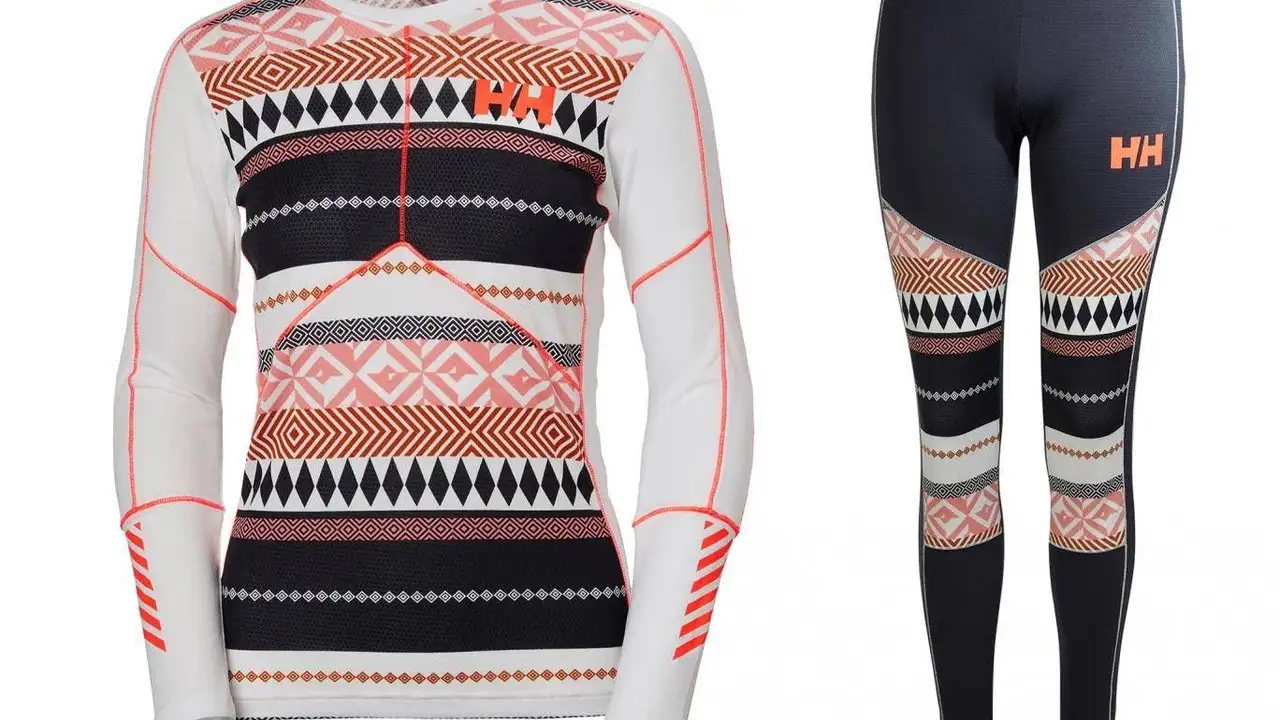
Think of your base layer as your second skin. Its primary job is to regulate your body temperature by moving moisture (sweat) away from your skin and trapping a thin layer of warm air close to your body. Without an effective base layer, sweat can accumulate, cool down, and make you feel cold and clammy, even if you're wearing a thick jacket. This comprehensive guide will dive deep into everything you need to know about ski and snowboard base layers, from materials and features to top product recommendations and how to choose the perfect set for your needs.
Understanding Base Layer Materials What's Best for Skiing and Snowboarding
The material of your base layer is paramount. Different fabrics offer varying levels of warmth, breathability, and moisture-wicking capabilities. Let's break down the most common and effective options:
Merino Wool Base Layers Natural Performance for Snow Sports
Merino wool is often considered the gold standard for base layers, and for good reason. It's a natural fiber known for its exceptional warmth-to-weight ratio, incredible softness (no itch!), and superior moisture-wicking properties. Unlike traditional wool, merino fibers are much finer, making them comfortable against the skin. Here's why it excels:
- Moisture Management: Merino wool can absorb a significant amount of moisture (up to 30% of its weight) before feeling wet, and it continues to insulate even when damp. This is a huge advantage when you're working up a sweat.
- Temperature Regulation: It naturally helps regulate body temperature, keeping you warm in cold conditions and surprisingly cool in milder ones.
- Odor Resistance: Merino wool has natural antimicrobial properties, meaning it resists odor-causing bacteria. You can wear it for multiple days without it smelling, which is fantastic for multi-day trips or if you're prone to sweating.
- Softness: Modern merino wool is incredibly soft and non-itchy, a common concern with traditional wool.
Best Use Case: Ideal for all-day comfort, multi-day trips, and those who prioritize natural fibers and odor resistance. Excellent for varying temperatures.
Synthetic Base Layers Polyester and Blends for Active Skiers
Synthetic base layers, typically made from polyester, nylon, or blends, are another popular choice. They are engineered for high performance and offer excellent moisture-wicking capabilities. Key benefits include:
- Rapid Drying: Synthetics excel at quickly moving moisture away from your skin and drying very fast. This is crucial for high-output activities where you're sweating a lot.
- Durability: They are generally more durable and resistant to abrasion than merino wool, making them a good choice for frequent, intense use.
- Affordability: Synthetic options are often more budget-friendly than merino wool.
- Stretch and Fit: Many synthetic base layers offer excellent stretch, providing a snug, athletic fit that moves with your body.
Consideration: Synthetics can sometimes retain odors more easily than merino wool, though many brands now incorporate antimicrobial treatments to combat this.
Best Use Case: Perfect for high-intensity activities, those on a budget, and individuals who need quick-drying performance.
Silk Base Layers Lightweight Luxury for Mild Conditions
Silk base layers are less common for aggressive skiing or snowboarding but offer a luxurious feel and are excellent for milder conditions or as a very thin first layer. They are soft, lightweight, and offer decent moisture-wicking, but they don't provide as much warmth as merino or synthetics and can be less durable.
Best Use Case: Casual wear, mild winter days, or as a very thin, comfortable layer under other clothing.
Base Layer Weight and Thickness Choosing the Right Warmth for Snowboarding
Base layers come in different weights, which correspond to their thickness and warmth. Choosing the right weight depends on the temperature, your activity level, and your personal preference for warmth.
- Lightweight Base Layers: These are the thinnest and most breathable. They are designed for high-output activities in mild to cool conditions, or as a very thin layer under heavier insulation. They excel at wicking moisture.
- Midweight Base Layers: The most versatile option, midweight base layers offer a good balance of warmth and breathability. They are suitable for a wide range of temperatures and activity levels, making them a popular choice for most skiers and snowboarders.
- Heavyweight Base Layers: These are the thickest and warmest base layers, designed for extremely cold conditions or for individuals who get cold easily. They offer maximum insulation but may be less breathable for high-intensity activities.
Pro Tip: Consider your personal body temperature. Do you tend to run hot or cold? This will significantly influence your ideal base layer weight.
Key Features to Look for in Ski and Snowboard Base Layers
Beyond material and weight, several features can enhance the performance and comfort of your base layer:
Fit and Sizing for Optimal Performance on the Slopes
A good base layer should fit snugly against your skin without being restrictive. This close contact is essential for effective moisture-wicking. If it's too loose, it won't be able to pull sweat away efficiently. Look for athletic or slim-fit designs that allow for full range of motion.
Flatlock Seams Preventing Chafing During Winter Sports
Flatlock seams are designed to lie flat against the fabric, reducing bulk and preventing chafing or irritation, especially when worn under other layers or with a backpack.
Thumb Loops and Cuffs Keeping Sleeves in Place for Skiers
Thumb loops help keep sleeves in place, preventing them from riding up when you put on outer layers or during active movements. Well-designed cuffs also contribute to a comfortable fit and prevent cold air from entering.
Collar Styles Crew Neck vs Zip Neck for Temperature Control
Base layers come with different collar styles:
- Crew Neck: A classic, comfortable option for general use.
- Zip Neck (or Quarter-Zip): Offers excellent versatility for temperature regulation. You can zip it up for extra warmth around the neck or unzip it to vent heat when you're working hard.
Odor Control Technologies Staying Fresh on the Mountain
While merino wool naturally resists odor, many synthetic base layers now incorporate antimicrobial treatments (like silver ions) to inhibit the growth of odor-causing bacteria. This is a great feature for multi-day use.
Top Product Recommendations for Ski and Snowboard Base Layers
Let's look at some highly-rated base layer options that consistently perform well for skiers and snowboarders. Please note that prices are approximate and can vary based on sales, retailers, and specific models.
Merino Wool Base Layer Picks for Skiing and Snowboarding
Smartwool Merino 250 Base Layer Crew and Bottom
Description: The Smartwool Merino 250 line is a perennial favorite for its exceptional warmth, comfort, and durability. The '250' refers to the fabric weight in grams per square meter (GSM), indicating a midweight to heavyweight option. It's 100% merino wool, offering all the benefits of natural fiber. The fit is snug but not restrictive, and the flatlock seams enhance comfort.
Use Case: Ideal for cold to very cold conditions, resort skiing, backcountry touring, and multi-day trips where odor resistance is key. Excellent for those who prioritize natural materials.
Pros: Superior warmth, excellent moisture management, highly odor-resistant, very soft, durable for merino.
Cons: Higher price point, takes longer to dry than synthetics.
Approximate Price: Top: $110-$120 USD, Bottom: $100-$110 USD
Icebreaker 260 Tech Long Sleeve Half Zip and Leggings
Description: Icebreaker is another leader in merino wool apparel. Their 260 Tech series is a heavier midweight option, perfect for colder days. The half-zip design allows for easy ventilation, and the fabric blend (often 100% merino or a merino/Lycra blend for stretch) provides excellent warmth and mobility. They focus on sustainable practices and ethical sourcing.
Use Case: Best for cold weather skiing, snowboarding, and other winter activities where maximum warmth and natural performance are desired. The half-zip is great for managing temperature fluctuations.
Pros: Very warm, excellent breathability, superior odor resistance, comfortable fit, good range of motion.
Cons: Premium price, can be less durable than some synthetics over time.
Approximate Price: Top: $120-$135 USD, Bottom: $110-$125 USD
Synthetic Base Layer Picks for High-Performance Snow Sports
Patagonia Capilene Midweight Crew and Bottoms
Description: Patagonia's Capilene line is renowned for its performance and sustainability. The Midweight option is made from 100% recycled polyester with HeiQ® Fresh durable odor control. It's designed for excellent moisture-wicking and quick drying, making it perfect for high-exertion activities. The fit is athletic, and the fabric feels smooth against the skin.
Use Case: Excellent for active skiers and snowboarders who generate a lot of heat, backcountry touring, and spring skiing. Also a great choice for those who prefer quick-drying properties and sustainable products.
Pros: Exceptional moisture-wicking, very fast drying, good odor control for a synthetic, durable, made from recycled materials.
Cons: Can feel less warm than merino in static situations, may eventually retain some odor after many washes.
Approximate Price: Top: $70-$80 USD, Bottom: $60-$70 USD
Under Armour ColdGear Mock Neck and Leggings
Description: Under Armour's ColdGear line is a staple for athletes in cold conditions. It uses a dual-layer fabric that wicks sweat from the skin and circulates body heat. The brushed interior traps warmth, while the smooth exterior allows for easy layering. It's known for its compression fit, which can enhance muscle support and blood flow.
Use Case: Ideal for athletes seeking a compression fit for muscle support, very cold conditions, and those who prefer a snug, performance-oriented feel. Great for high-intensity activities where warmth is still crucial.
Pros: Very warm for a synthetic, excellent compression and muscle support, good moisture-wicking, durable.
Cons: Compression fit isn't for everyone, can feel less breathable than other synthetics during very high exertion, may retain odor over time.
Approximate Price: Top: $55-$65 USD, Bottom: $50-$60 USD
Hybrid and Blended Base Layer Options for Versatility
Arc'teryx Rho LT Zip Neck and Bottom
Description: Arc'teryx is known for its high-performance technical apparel, and the Rho LT (Lightweight Thermal) is no exception. It often uses a blend of polyester and elastane, sometimes with merino wool, to combine the best properties of both. It's designed for excellent thermal efficiency, moisture management, and freedom of movement. The fit is trim, and the fabric is soft and comfortable.
Use Case: Versatile for a wide range of conditions and activities. Excellent for those who want a balance of warmth, breathability, and stretch for dynamic movements. Suitable for both resort and backcountry use.
Pros: Excellent warmth-to-weight ratio, superb moisture-wicking, great stretch and mobility, high-quality construction.
Cons: Premium price point, specific fit might not suit all body types.
Approximate Price: Top: $100-$120 USD, Bottom: $90-$110 USD
Caring for Your Base Layers Maximizing Longevity and Performance
Proper care is essential to maintain the performance and extend the life of your base layers. Always check the specific care instructions on the garment's tag, but here are some general guidelines:
Washing Instructions for Merino Wool Base Layers
Merino wool is delicate but surprisingly resilient. Wash on a gentle cycle with cold water. Use a mild detergent specifically designed for wool or technical fabrics. Avoid bleach and fabric softeners, as they can damage the wool fibers and reduce their wicking properties. Air dry flat or hang dry; avoid high heat in a dryer, which can cause shrinkage and damage.
Washing Instructions for Synthetic Base Layers
Synthetics are generally more robust. Wash on a cool or warm cycle with a mild detergent. Again, avoid fabric softeners, as they can clog the fibers and reduce wicking. Tumble dry on low heat or air dry. Air drying is always preferable to extend the life of the garment and save energy.
Avoiding Common Base Layer Mistakes
- Don't use fabric softener: This is a big one! Fabric softener leaves a residue that clogs the fibers, reducing their ability to wick moisture.
- Don't use bleach: Bleach will damage the fibers and can cause discoloration.
- Avoid high heat: High heat in a dryer can shrink wool and damage the elastic fibers in synthetics.
- Wash regularly: While merino is odor-resistant, all base layers benefit from regular washing to remove sweat, oils, and dirt that can impede performance.
Layering Strategy The System for Staying Warm and Dry
Your base layer is just one part of a complete layering system. For optimal warmth and performance, you typically need three layers:
- Base Layer (Wicking Layer): Worn directly against the skin to manage moisture.
- Mid-Layer (Insulation Layer): Provides warmth. This could be a fleece jacket, down vest, or synthetic puffy jacket.
- Outer Layer (Shell Layer): Protects from wind, snow, and rain. This is your waterproof and breathable ski or snowboard jacket and pants.
Each layer has a specific function, and they work together to keep you comfortable. The base layer is the foundation, ensuring that moisture is moved away from your body so the insulating layers can do their job effectively.
When to Replace Your Base Layers Signs of Wear and Tear
Even the best base layers won't last forever. Here are some signs it might be time for a replacement:
- Loss of Elasticity: If your base layer is stretched out and no longer fits snugly, it won't wick moisture effectively.
- Persistent Odor: If your synthetic base layer retains a strong odor even after washing, its antimicrobial treatment may have worn off.
- Thinning or Holes: Obvious signs of wear, especially in high-friction areas.
- Reduced Wicking Performance: If you find yourself feeling clammy and cold more often, the fabric's wicking properties might be compromised.
Final Thoughts on Choosing Your Perfect Base Layer
Choosing the right base layer is a personal decision based on your activity level, the conditions you'll be in, and your personal preferences. Investing in a high-quality base layer is one of the best decisions you can make for your comfort and enjoyment on the slopes. Whether you opt for the natural performance of merino wool or the quick-drying efficiency of synthetics, a good base layer will keep you warm, dry, and ready for whatever the mountain throws your way. Happy shredding!
:max_bytes(150000):strip_icc()/277019-baked-pork-chops-with-cream-of-mushroom-soup-DDMFS-beauty-4x3-BG-7505-5762b731cf30447d9cbbbbbf387beafa.jpg)