Portable Snow Making Machines for Home Use
Ever dreamt of having a white Christmas, even if nature isn't cooperating? Or perhaps you're a passionate skier or snowboarder who wishes for a small practice slope right in your backyard? The good news is, portable snow making machines for home use are no longer just a fantasy. Thanks to advancements in technology, creating your own winter wonderland or a mini practice area is more accessible than ever. This comprehensive guide will walk you through everything you need to know about these fascinating devices, from how they work to what to consider before buying one, and even recommend some top models on the market.
Understanding Home Snow Making Technology How Snow Guns Work
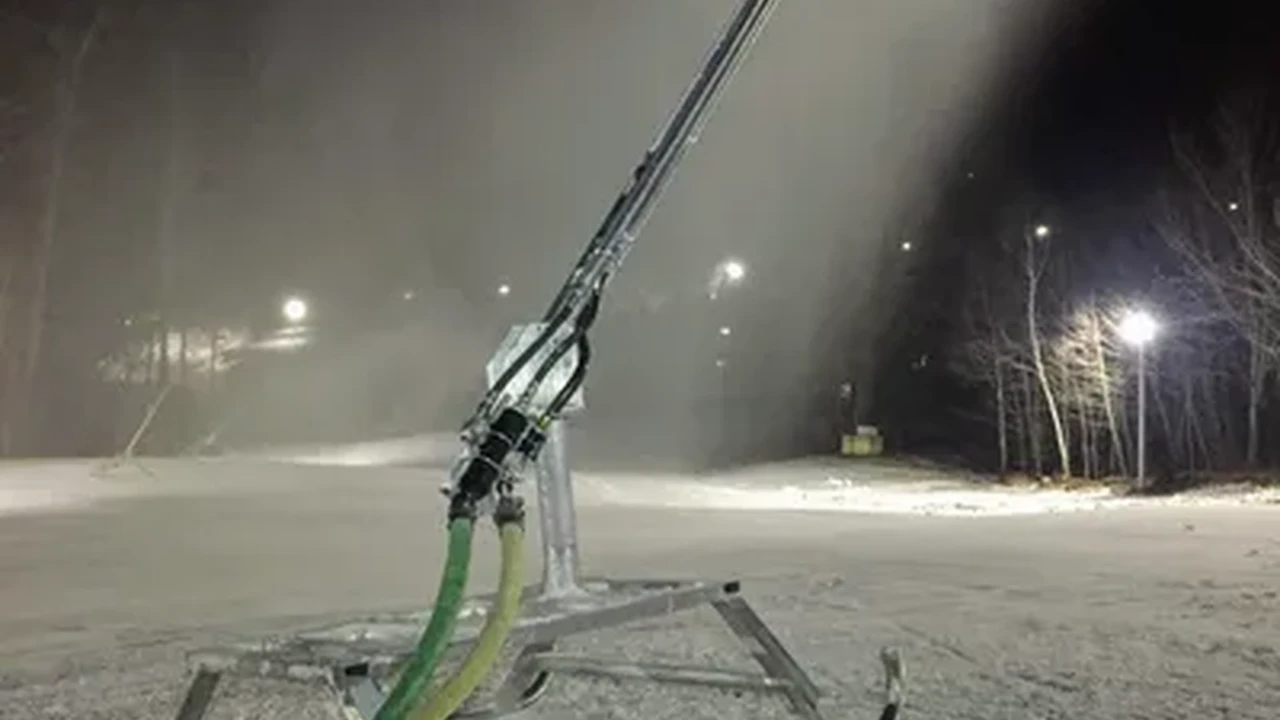
At its core, a home snow making machine operates on principles similar to those used at large ski resorts, albeit on a smaller scale. The process involves combining water and compressed air under specific temperature and humidity conditions to create snow. Here's a breakdown of the key components and how they interact:
Water Supply and Atomization The Heart of Snow Production
The primary ingredient for snow is, of course, water. Home snow makers typically connect to a standard garden hose. The machine then atomizes this water, breaking it down into incredibly fine droplets. This is crucial because smaller droplets freeze more efficiently in cold air. Think of it like a very fine mist.
Compressed Air The Catalyst for Freezing
Alongside the water, compressed air is introduced. This air serves a dual purpose: it helps to propel the water droplets out of the nozzle, and more importantly, it aids in the freezing process. When compressed air expands, it cools rapidly, creating a micro-environment conducive to ice crystal formation. Some machines use an internal compressor, while others require an external air compressor.
Nucleation and Freezing The Magic Happens
The atomized water droplets and compressed air mix in a specialized nozzle or series of nozzles. As these tiny water particles are exposed to the cold ambient air and the cooling effect of the expanding compressed air, they begin to freeze. Often, a small amount of 'nucleating' agent (which can be as simple as a tiny ice crystal or a specialized protein) is introduced to encourage the water to crystallize into snow rather than just freezing into ice. The ideal conditions for snow production are temperatures below freezing (typically 28°F / -2°C or colder) and low humidity. The colder and drier it is, the more efficient and abundant your snow production will be.
Factors to Consider Before Buying Your Home Snow Maker Site Preparation and Environmental Conditions
Before you dive into purchasing a snow machine, there are several important factors to consider to ensure you have a successful and enjoyable snow-making experience.
Temperature and Humidity The Golden Rule of Snow
This is perhaps the most critical factor. Snow machines require freezing temperatures to operate effectively. While some machines can produce 'marginal' snow at slightly above freezing temperatures (around 32°F / 0°C), the best results are achieved when temperatures are consistently below 28°F (-2°C). Low humidity is also key; high humidity can make it difficult for water droplets to freeze properly, resulting in more ice than snow. Always check your local weather forecast for sustained cold temperatures and low dew points.
Water Pressure and Supply Essential for Operation
Your home's water pressure is vital. Most home snow makers require a minimum water pressure, typically around 30-60 PSI (pounds per square inch). Insufficient water pressure will lead to poor atomization and less efficient snow production. Ensure your garden hose connection can provide adequate flow and pressure. You might need to invest in a pressure gauge to check this.
Power Requirements and Electrical Safety
Snow machines, especially those with internal compressors, require electricity. Check the power requirements of the machine you're considering and ensure your outdoor outlets can handle the load. Always use a GFCI (Ground Fault Circuit Interrupter) protected outlet and heavy-duty outdoor extension cords to ensure electrical safety, especially when dealing with water and cold temperatures.
Space and Drainage Considerations Where Will Your Snow Go
Think about the area where you plan to make snow. Do you have enough space? Will the snow accumulate in a desirable location? Consider drainage once the snow melts. You don't want to create a muddy mess or flood your basement. A slight slope can help with drainage, or you might need to plan for temporary barriers to contain the snow.
Noise Levels and Neighborly Relations
Some snow machines, particularly those with powerful compressors, can be noisy. If you have close neighbors, consider the noise level of the machine you're interested in, especially if you plan to operate it at night. Check decibel ratings if available and consider running it during daytime hours to minimize disturbance.
Types of Portable Snow Making Machines for Home Use Different Approaches to Snow Production
Home snow makers generally fall into a few categories based on their design and how they generate snow. Understanding these differences can help you choose the right machine for your needs.
Fan-Based Snow Makers The Resort Style
These machines resemble miniature versions of the snow guns seen at ski resorts. They use a powerful fan to propel atomized water droplets into the air, allowing them to freeze as they travel. They often have multiple nozzles for water and air. Fan-based machines can produce a significant amount of snow and are generally more efficient in marginal temperatures. However, they tend to be larger, heavier, and often require a separate, powerful air compressor.
Nozzle-Based Snow Makers Simplicity and Portability
These are typically simpler, more compact units that rely on water pressure and a small amount of compressed air (either from an internal or external compressor) to create a fine mist that freezes. They are often more affordable and easier to set up than fan-based models. While they might produce less snow per hour, their portability and ease of use make them popular for smaller areas or occasional use.
Hybrid Systems Combining the Best of Both
Some manufacturers offer hybrid systems that incorporate elements of both fan and nozzle-based designs, aiming to balance efficiency, snow output, and ease of use. These might feature a smaller fan combined with specialized nozzles to optimize snow production.
Top Portable Snow Making Machines for Home Use Product Recommendations and Comparisons
Let's explore some of the popular and well-regarded portable snow making machines available for home use, comparing their features, ideal use cases, and approximate pricing.
1. SnowAtHome SnowGun SG7 The Enthusiast's Choice
Description: The SnowAtHome SG7 is a popular choice among serious home snow makers. It's a fan-based system designed for significant snow production. It features multiple nozzles and a powerful fan to project snow over a considerable area. It requires an external air compressor (typically 5-7 CFM at 90 PSI) and a good water supply. Ideal Use Case: Creating a substantial sledding hill, a small ski/snowboard practice area, or covering a large yard for a winter wonderland effect. Best for those with consistent cold temperatures and a dedicated space. Pros: High snow output, good throw distance, durable construction, produces quality snow. Can operate effectively in slightly warmer marginal temperatures than some simpler units. Cons: Requires a separate, powerful air compressor (adds to cost and complexity), can be noisy, larger footprint, higher initial investment. Approximate Price: Machine only: $1,500 - $2,500. (Air compressor extra: $500 - $1,000+)
2. SMI SnowMaker Home Edition The Compact Performer
Description: While SMI is known for large commercial snow guns, they've ventured into the home market with more compact, yet still powerful, options. Their home edition models often feature a more integrated design, sometimes with an internal compressor or a more streamlined setup. They focus on efficiency and ease of use for residential settings. Ideal Use Case: Backyard winter fun, small ice rinks, or adding a layer of snow for aesthetic purposes. Good for those who want a reliable machine without the complexity of a full commercial setup. Pros: Often more user-friendly, good snow quality, reputable brand, potentially more compact than other fan-based systems. Cons: Still a significant investment, may require specific power outlets, can be heavy. Approximate Price: $2,000 - $3,500+
3. Snow Joe SJM2000 Electric Snow Thrower (Not a Snow Maker, but a Common Misconception)
Description: It's important to clarify that a Snow Joe SJM2000 is an electric snow thrower, designed to clear existing snow, not create it. This is a common point of confusion for new buyers. While it's a great tool for snow removal, it will not help you make snow. Ideal Use Case: Clearing driveways, sidewalks, and patios after a natural snowfall. Pros: Lightweight, easy to use, no gas required, good for light to moderate snowfalls. Cons: Does not make snow, limited power for heavy wet snow, corded operation can be inconvenient. Approximate Price: $150 - $300
4. DIY Snow Making Kits The Budget-Friendly Option
Description: Many enthusiasts opt for DIY snow making kits, which typically include specialized nozzles, fittings, and instructions to build your own snow gun using readily available components like PVC pipes, garden hoses, and an external air compressor. These kits allow for customization and can be significantly more affordable. Ideal Use Case: Small backyard snow piles, experimental snow making, or for those who enjoy a hands-on project. Best for users with a good understanding of plumbing and basic mechanics. Pros: Most affordable option, customizable, educational, sense of accomplishment. Cons: Requires significant assembly and technical know-how, performance can vary based on component quality and build, no warranty or dedicated support, potentially less efficient. Approximate Price: $200 - $800 (excluding air compressor)
5. Snow Lizard Snow Machine The Entry-Level Choice
Description: The Snow Lizard is often cited as an entry-level, nozzle-based snow maker. It's designed for simplicity and ease of use, often requiring just a garden hose and a small air compressor. It's less about creating a ski slope and more about adding a layer of fun snow to a small area. Ideal Use Case: Creating a small snow play area for kids, decorating a yard, or adding a thin layer of snow for aesthetic purposes. Good for occasional use in very cold conditions. Pros: Very affordable, compact, easy to set up and store, low power consumption. Cons: Lower snow output, highly dependent on very cold temperatures (below 25°F / -4°C), can produce more ice than snow if conditions aren't ideal, limited throw distance. Approximate Price: $300 - $600
Setting Up Your Home Snow Making Machine Step-by-Step Guide
Once you've chosen your machine, proper setup is crucial for safe and efficient operation.
Step 1: Choose Your Location The Perfect Spot
Select a flat, open area away from structures, power lines, and anything that could be damaged by water or ice. Consider where the snow will accumulate and how it will drain when it melts. Ensure good air circulation around the machine.
Step 2: Connect Water and Air Secure Connections
Connect your garden hose to the machine's water inlet. Ensure all connections are tight to prevent leaks. If your machine requires an external air compressor, connect the air hose securely. Use appropriate adapters if necessary.
Step 3: Power Up and Safety Checks Electrical Considerations
Plug the machine into a GFCI-protected outdoor outlet. If using an extension cord, ensure it's rated for outdoor use and heavy-duty. Double-check all connections and ensure no wires are exposed or in standing water.
Step 4: Monitor Weather Conditions Patience is a Virtue
Only operate your snow machine when temperatures are consistently below freezing and humidity is low. Use a reliable thermometer and hygrometer to monitor conditions. Starting too early or in marginal conditions will result in more ice and wasted water.
Step 5: Adjust Settings and Start Snowing Fine-Tuning for Best Results
Most machines have adjustable nozzles or valves for water and air flow. Start with the manufacturer's recommended settings and then fine-tune them. You're looking for a fine mist that turns into snow as it travels. If you see large water droplets or ice, adjust your settings or wait for colder conditions. Allow the machine to run for several hours to build up a good snow base.
Maintenance and Storage Keeping Your Machine in Top Shape
Proper maintenance will extend the life of your snow machine and ensure it's ready for action when the cold weather hits.
Cleaning and Draining After Each Use
After each snow-making session, it's crucial to drain all water from the machine, hoses, and compressor lines. Water left in the system can freeze and cause damage to pumps, nozzles, and lines. Run the machine with only air for a few minutes to clear any remaining water.
Winterizing for Off-Season Storage
Before storing your machine for the warmer months, perform a thorough cleaning and ensure it's completely dry. Store it in a clean, dry place, protected from extreme temperatures and pests. If your machine has a pump, consider using a pump protector or antifreeze solution as recommended by the manufacturer.
Regular Inspections and Part Replacement
Periodically inspect hoses, nozzles, and electrical connections for wear and tear. Replace any damaged parts promptly. Keeping nozzles clean is particularly important for efficient snow production.
Beyond the Backyard Creative Uses for Your Home Snow Maker Winter Fun Ideas
Having a home snow maker opens up a world of possibilities for winter fun and creativity.
Building a Sledding Hill The Classic Winter Activity
One of the most popular uses is creating a dedicated sledding hill. You can build up a substantial mound of snow, perfect for hours of family fun. Add some small jumps for extra excitement.
Creating a Mini Ski or Snowboard Practice Area Skill Development at Home
For aspiring skiers and snowboarders, a small practice area can be invaluable. You can create a gentle slope to practice turns, balance, or even small tricks. This is especially useful for kids learning the ropes.
Decorating for the Holidays A Winter Wonderland
Imagine transforming your yard into a magical winter wonderland for the holidays. You can cover trees, bushes, and even your roof with a fresh blanket of snow, creating a picturesque scene that will delight neighbors and visitors.
Backyard Ice Rink Preparation The Foundation for Skating
While a snow maker doesn't make ice directly, it can provide the perfect base for a backyard ice rink. By creating a thick, level layer of snow, you can then flood it with water to create a smooth, durable ice surface for skating.
Snow Forts and Sculptures Unleash Your Inner Artist
With an abundance of snow, you can build impressive snow forts, igloos, or intricate snow sculptures. It's a fantastic way to engage in creative outdoor play and build lasting winter memories.
Troubleshooting Common Issues When Your Snow Maker Isn't Cooperating
Even with the best planning, you might encounter some issues. Here are common problems and their solutions.
No Snow or Too Much Ice Check Conditions First
This is almost always due to insufficient cold temperatures or high humidity. Double-check your thermometer and hygrometer. If conditions aren't ideal, wait. Also, ensure your water droplets are fine enough; adjust water pressure or nozzle settings.
Low Snow Output or Weak Stream Water and Air Flow
Check your water pressure. Ensure your garden hose isn't kinked and that your spigot is fully open. For air compressors, ensure they are providing adequate CFM and PSI. Clogged nozzles can also reduce output; clean them thoroughly.
Machine Not Turning On Electrical Issues
Check if the machine is properly plugged into a GFCI outlet. Test the outlet with another device. Check for tripped breakers or blown fuses. Ensure all safety switches on the machine are engaged.
Excessive Noise Compressor or Fan Issues
Some noise is normal, but excessive or unusual noise could indicate a problem. Check if the machine is on a stable, level surface. Inspect the fan blades for obstructions. If using an external compressor, ensure it's functioning correctly and not straining.
The Future of Home Snow Making Innovations and Sustainability
The technology for home snow making continues to evolve, with a focus on efficiency, ease of use, and sustainability.
Smarter Controls and Automation
Expect to see more machines with smart controls, allowing you to monitor and adjust settings remotely via smartphone apps. Automated systems that can detect optimal snow-making conditions and start/stop accordingly are also on the horizon.
Energy Efficiency and Water Conservation
Manufacturers are constantly working on making snow machines more energy-efficient, reducing power consumption. Innovations in nozzle design and atomization techniques aim to produce more snow with less water, making the process more sustainable.
Quieter Operation and Compact Designs
As technology advances, we can anticipate quieter compressors and more compact machine designs, making them even more suitable for residential environments and easier to store.
Owning a portable snow making machine can truly transform your winter experience, bringing the joy of snow right to your doorstep. Whether you're dreaming of a festive holiday display, a fun sledding hill for the kids, or a small practice slope to hone your skills, these machines offer a unique way to embrace the colder months. With careful consideration of your needs, local conditions, and the right machine, you'll be making your own snow in no time, creating unforgettable winter memories.
:max_bytes(150000):strip_icc()/277019-baked-pork-chops-with-cream-of-mushroom-soup-DDMFS-beauty-4x3-BG-7505-5762b731cf30447d9cbbbbbf387beafa.jpg)