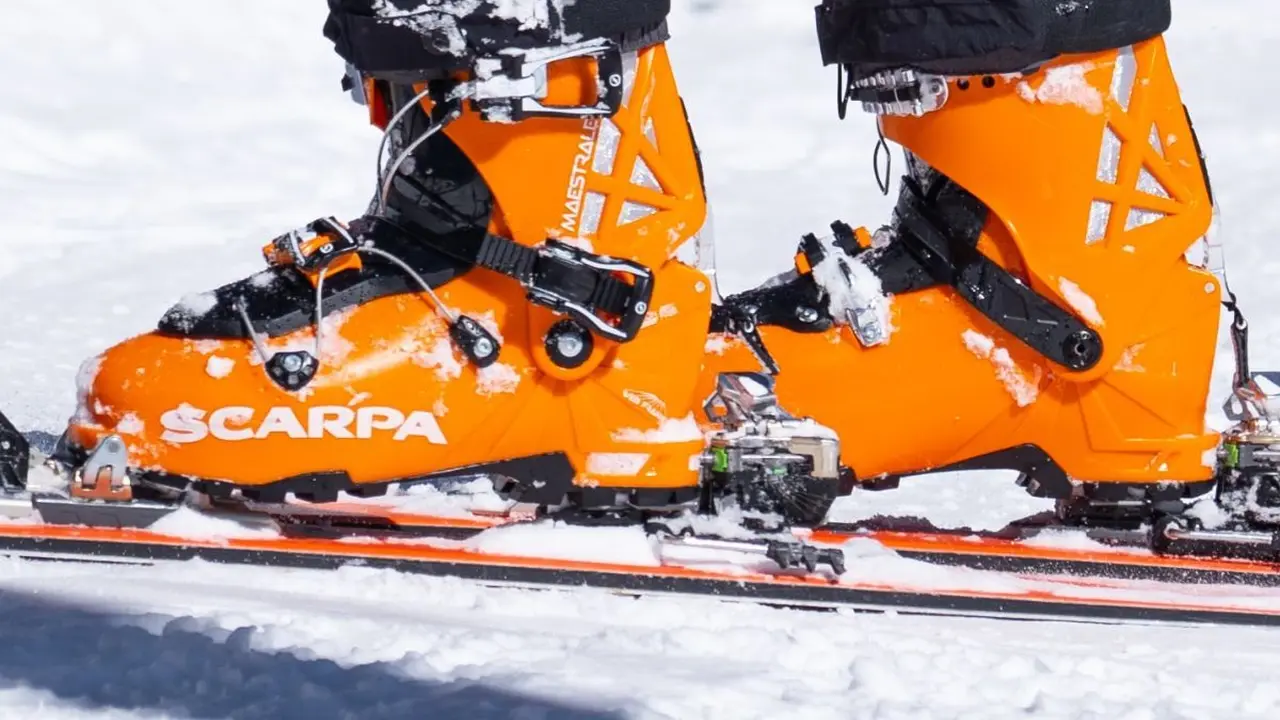
Keep your feet warm on the slopes with ski boot heaters. Compare different types and find the best option for you. Nothing ruins a perfect ski day faster than freezing toes. Whether you're battling frigid temperatures, have poor circulation, or just prefer maximum comfort, ski boot heaters are a game-changer. This comprehensive guide will walk you through everything you need to know about these essential winter accessories, from how they work to the best models on the market.
Ski Boot Heaters for Warmth Your Ultimate Guide to Warm Feet on the Slopes
Understanding Ski Boot Heater Technology How They Work
Ski boot heaters are designed to provide consistent warmth to your feet inside your ski boots. They typically consist of a heating element, a battery pack, and a control unit. The heating element, often a thin pad, is placed under or on top of your footbed. The battery pack, which powers the heating element, is usually attached to the back of your boot or clipped to your power strap. The control unit allows you to adjust the heat settings, giving you precise control over your comfort.
There are generally two main types of ski boot heaters:
- Integrated Systems: These systems come with custom footbeds that have the heating elements built directly into them. They often offer a more seamless fit and even heat distribution.
- Aftermarket Kits: These kits allow you to add heating elements to your existing footbeds. They are more versatile and often a more budget-friendly option if you already have comfortable footbeds.
Most modern ski boot heaters use rechargeable lithium-ion batteries, which offer long-lasting power and can be recharged multiple times. Battery life varies depending on the heat setting used, but many models can provide warmth for 4-8 hours on a single charge, with some high-end models offering even longer durations.
Types of Ski Boot Heaters Choosing Your Warmth Solution
When it comes to keeping your feet toasty, you have a few options. Each type of ski boot heater offers different benefits and considerations:
Battery Powered Ski Boot Heaters The Most Popular Choice
These are by far the most common and versatile type of ski boot heater. They consist of a heating element (usually a thin pad that goes under your footbed or adheres to it) connected to a rechargeable battery pack. The battery pack typically clips onto the back of your ski boot or power strap. They offer multiple heat settings, allowing you to adjust the warmth based on conditions and your personal preference. The main advantages are portability, adjustability, and long battery life (typically 4-8 hours on a medium setting, some up to 18 hours on low).
Heated Socks The Convenient Option
Heated socks have the heating elements and often small battery packs integrated directly into the sock fabric. They are incredibly convenient as there's no installation required – just put them on! They are great for those who want simplicity or who might use them for other winter activities besides skiing. However, battery life can sometimes be shorter than dedicated boot heaters, and the heat distribution might not be as precise as a system integrated into your boot's footbed. They also require careful washing.
Chemical Hand Warmers for Feet The Quick Fix
While not a long-term solution, single-use chemical hand warmers designed for feet can provide temporary warmth. These are activated by exposure to air and produce heat through a chemical reaction. They are inexpensive and readily available, making them a good emergency option or for short periods. However, they offer no temperature control, their heat output diminishes over time, and they are not environmentally friendly due to being single-use.
Key Features to Consider When Buying Ski Boot Heaters
To make an informed decision, consider these important features:
Battery Life and Rechargeability Powering Your Day
This is crucial. Look for models with long-lasting lithium-ion batteries. A good battery should provide at least 4-6 hours of warmth on a medium setting. Many high-end models offer 8+ hours. Consider how many runs you typically do in a day and if you'll have access to charging between sessions. USB charging is a convenient feature.
Heat Settings and Control Customizing Your Comfort
Most heaters offer multiple heat settings (low, medium, high). Some advanced models even have a boost mode for quick warmth. Look for easy-to-use controls, whether it's a button on the battery pack or a remote control. Bluetooth connectivity with a smartphone app for precise temperature control is a premium feature worth considering for tech-savvy users.
Installation and Compatibility Fitting Your Boots
Will the heater fit your current ski boots and footbeds? Some systems require professional installation, especially those with integrated footbeds. Aftermarket kits are generally easier to install yourself. Ensure the heating elements are thin enough not to create pressure points inside your boot.
Durability and Water Resistance Built for the Elements
Skiing involves snow and moisture. Your boot heaters should be built to withstand these conditions. Look for robust construction and good water resistance ratings to ensure longevity.
Comfort and Fit Avoiding Pressure Points
The heating element should be thin and flexible to avoid creating uncomfortable pressure points. If you're using an aftermarket kit, ensure it integrates smoothly with your existing footbeds. Integrated systems are often designed for optimal comfort.
Top Ski Boot Heater Brands and Product Recommendations
Let's dive into some of the best ski boot heater options available on the market, comparing their features, typical use cases, and price points.
Thermic Ski Boot Heaters The Industry Standard
Thermic is a leading brand in ski boot heating technology, known for its reliability and performance. They offer a range of systems to suit different needs and budgets.
- Thermic Heat Kit SmartPack 1200: This is a popular choice for its balance of performance and value. It includes heating elements and SmartPack 1200 batteries.
- Features: 3 heat settings, up to 13 hours of heat (on low), global charger.
- Use Case: Ideal for recreational skiers who need reliable warmth for a full day on the slopes.
- Price: Approximately $180 - $220 USD.
- Thermic Heat Kit SmartPack ic 1600: A step up, offering longer battery life.
- Features: 3 heat settings, up to 18 hours of heat (on low), global charger.
- Use Case: Perfect for those who spend long days in very cold conditions or multi-day trips without frequent charging.
- Price: Approximately $220 - $260 USD.
- Thermic Heat Kit SmartPack ic 1200 with Bluetooth: Combines the 1200 battery with smartphone control.
- Features: Bluetooth connectivity for precise temperature control via smartphone app, 3 heat settings, up to 13 hours of heat.
- Use Case: For tech-savvy skiers who want ultimate control and convenience.
- Price: Approximately $250 - $290 USD.
Hotronic Ski Boot Heaters Reliable and Robust
Hotronic is another highly respected brand, known for its durable products and consistent performance.
- Hotronic S4+ Set: A very popular and reliable option.
- Features: 4 heat settings, up to 18 hours of heat (on low), global charger, impulse duration for optimal heat.
- Use Case: Excellent for all types of skiers, from casual to serious, who demand long-lasting warmth.
- Price: Approximately $200 - $240 USD.
- Hotronic XLP One Set: Their newest generation, offering even more power and features.
- Features: More powerful battery, 3 heat settings, up to 21 hours of heat (on low), faster charging.
- Use Case: For those who need maximum battery life and quick charging, especially in extreme cold.
- Price: Approximately $250 - $290 USD.
Sidas Ski Boot Heaters Comfort and Performance
Sidas specializes in foot comfort and offers integrated heating solutions with their custom footbeds.
- Sidas Custom Heated Insoles (with Pro Battery Pack): These are often sold as a system where you get custom-molded footbeds with integrated heating elements.
- Features: Custom fit for superior comfort and heat distribution, 3 heat settings, up to 8 hours of heat (depending on battery choice).
- Use Case: Best for skiers seeking the ultimate in comfort and performance, willing to invest in a custom solution. Requires professional fitting.
- Price: Footbeds + Battery Pack: Approximately $300 - $450+ USD (can vary significantly based on customization).
Heated Socks Brands Lenz and Therm-ic
If you prefer the convenience of heated socks, these brands are top contenders:
- Lenz Heated Socks (e.g., Lenz Heat Sock 5.0 Toe Cap): Lenz is a leader in heated apparel.
- Features: Heating elements around the toes, various battery pack options (lithium pack rcB 1200, 1800), Bluetooth control, comfortable merino wool blend.
- Use Case: Great for skiers who want simplicity, or for multi-sport use (hiking, hunting, etc.).
- Price: Socks + Battery Pack: Approximately $250 - $350 USD.
- Therm-ic Powersocks Heat Fusion Uni: Therm-ic also offers excellent heated socks.
- Features: Fusion heat technology for optimal heat distribution, various battery pack options (S-Pack 1200, 1400, 1600), comfortable fabric.
- Use Case: Similar to Lenz, offering convenience and warmth for various winter activities.
- Price: Socks + Battery Pack: Approximately $200 - $300 USD.
Installation and Maintenance Tips for Longevity
Proper installation and care will ensure your ski boot heaters last for many seasons.
DIY Installation vs Professional Help
Aftermarket kits are generally designed for DIY installation. You'll typically remove your existing footbeds, adhere the heating elements to them, and route the wires. Always follow the manufacturer's instructions carefully. For integrated systems or if you're unsure, a professional boot fitter can ensure proper placement and wiring, preventing discomfort or damage.
Charging and Battery Care Maximizing Life
Always use the charger provided by the manufacturer. Avoid overcharging or completely draining the batteries. For long-term storage (off-season), charge the batteries to about 50-70% and store them in a cool, dry place. This helps preserve battery health.
Cleaning and Storage Protecting Your Investment
After each use, wipe down the heating elements and batteries to remove any moisture or dirt. If using heated socks, follow the washing instructions carefully (often hand wash or delicate cycle, remove batteries). Store your boot heaters in a dry place, away from extreme temperatures, when not in use.
Troubleshooting Common Ski Boot Heater Issues
Even the best products can sometimes have hiccups. Here are some common issues and how to address them:
Heater Not Turning On Check Connections and Charge
First, ensure the battery pack is fully charged. Then, check all connections between the heating element and the battery pack. Make sure they are securely plugged in. Sometimes, a loose connection is all it takes.
Uneven Heating or Cold Spots Adjust Placement
If you're experiencing uneven heating, the heating element might not be perfectly flat or positioned correctly. Try re-adjusting its placement under your footbed. Ensure there are no wrinkles or folds in the heating pad.
Short Battery Life Optimize Settings
Battery life is highly dependent on the heat setting. If your battery is draining quickly, try using a lower heat setting. Extreme cold can also reduce battery efficiency. Ensure your batteries are relatively new; older batteries naturally lose capacity over time.
Discomfort or Pressure Points Re-evaluate Fit
If you feel pressure points, the heating element might be too thick or improperly placed. Try repositioning it. If the issue persists, consider a thinner heating element or consult a professional boot fitter to ensure your footbed and heater combination is optimal for your foot shape and boot fit.
Beyond Warmth The Benefits of Comfortable Feet
Warm feet aren't just about comfort; they contribute significantly to your overall skiing experience. When your feet are warm, you're less likely to feel pain, your muscles will remain more pliable, and you'll have better blood circulation. This translates to better control over your skis, improved performance, and a much more enjoyable day on the mountain. Cold feet can lead to numbness, reduced sensitivity, and even a higher risk of frostbite in extreme conditions. Investing in ski boot heaters is an investment in your comfort, safety, and ultimately, your passion for skiing.
So, whether you're a casual weekend warrior or a dedicated powder hound, don't let cold feet cut your ski day short. With the right ski boot heaters, you can extend your time on the slopes and truly savor every moment of your winter adventure.
:max_bytes(150000):strip_icc()/277019-baked-pork-chops-with-cream-of-mushroom-soup-DDMFS-beauty-4x3-BG-7505-5762b731cf30447d9cbbbbbf387beafa.jpg)