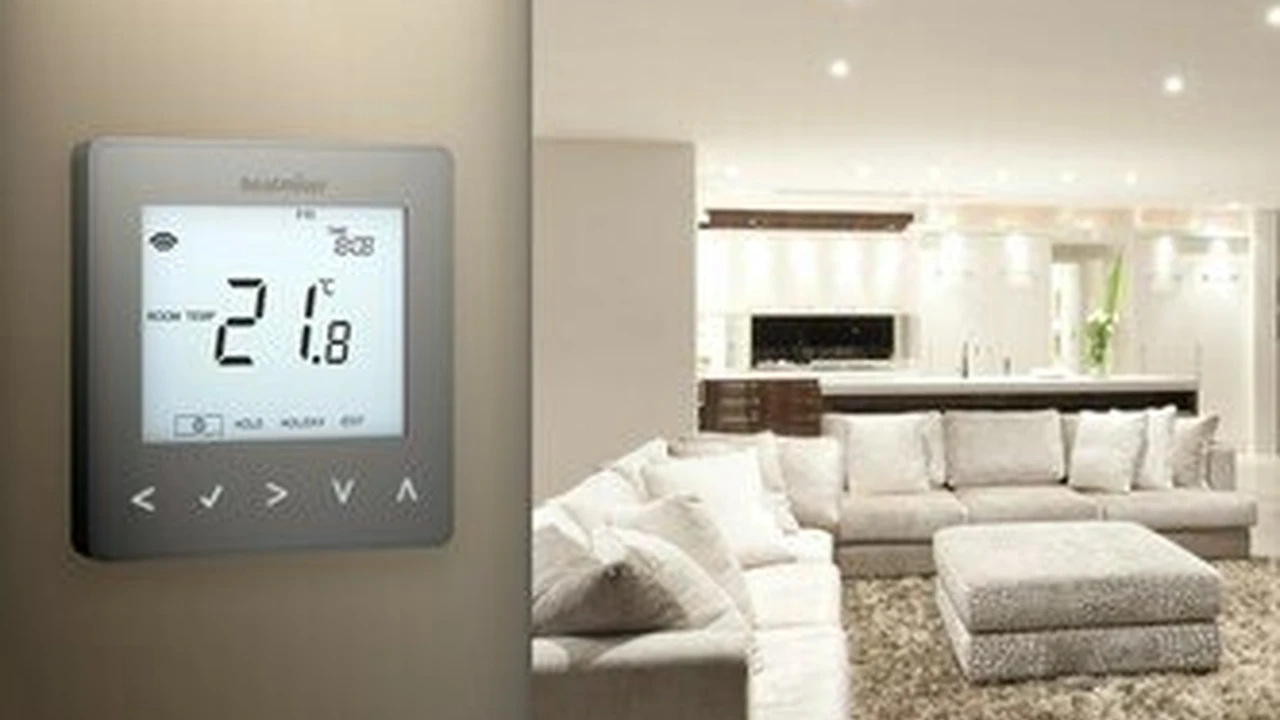
Optimize your home's warmth with smart home heating systems. Energy efficiency and comfort during winter.
Smart Home Heating Systems for Ultimate Winter Comfort and Efficiency
Hey there, winter warriors! As the temperatures drop and the snow starts to fall, there's nothing quite like coming home to a warm, cozy space. But let's be real, keeping your home toasty can often come with a hefty price tag on your energy bill. That's where smart home heating systems come into play. These aren't just fancy thermostats; they're intelligent solutions designed to optimize your home's warmth, boost energy efficiency, and give you unparalleled comfort throughout the colder months. Forget about constantly fiddling with your thermostat or heating an empty house. Smart heating systems learn your habits, respond to your needs, and even integrate with other smart devices to create a truly connected and comfortable living environment. Let's dive deep into how these systems work, what makes them so great, and which ones might be the perfect fit for your home.
Understanding Smart Heating Systems How They Work and Why They Matter
So, what exactly is a smart home heating system? At its core, it's a heating control system that uses advanced technology to manage your home's temperature more effectively than traditional thermostats. Instead of just turning your furnace on or off based on a set temperature, smart systems incorporate features like Wi-Fi connectivity, sensors, algorithms, and even artificial intelligence to learn and adapt. They can be controlled remotely via your smartphone, tablet, or even voice assistants, giving you complete command over your home's climate from anywhere. This level of control isn't just about convenience; it's about significant energy savings. By optimizing heating schedules, detecting occupancy, and responding to external factors like weather, smart systems can reduce wasted energy, leading to lower utility bills and a smaller carbon footprint. Think of it as having a personal climate concierge for your home.
Key Features of Smart Heating Systems Beyond Basic Thermostats
When you're looking at smart heating systems, you'll find a range of features that go way beyond what your old thermostat could ever dream of. Here are some of the most important ones to consider:
Remote Control and Scheduling Manage Your Home's Temperature Anywhere
This is probably the most obvious and immediately useful feature. Imagine you're heading home from a long day on the slopes, and you can simply pull out your phone and turn up the heat so your house is warm and welcoming when you arrive. Or maybe you forgot to turn down the heat before leaving for vacation; no problem, just open the app and adjust it. Smart scheduling allows you to set up detailed heating plans for different days and times, ensuring your home is warm when you need it and conserves energy when you don't. Many systems also offer geofencing, which uses your phone's location to automatically adjust the temperature when you leave or approach your home.
Learning Capabilities and Adaptive Heating AI Powered Comfort
This is where the 'smart' really comes in. Many advanced smart thermostats, like the Nest Learning Thermostat, can learn your daily routines and preferences over time. They observe when you adjust the temperature and start to build a personalized heating schedule. They can also adapt to changing conditions, like a sudden cold snap or a sunny day that naturally warms your home. This adaptive learning means less manual adjustment for you and more efficient heating overall.
Zoning Control and Room Sensors Personalized Comfort Zones
Do you have rooms that are always too hot or too cold? Traditional heating systems often heat your entire home uniformly, which can be inefficient. Smart heating systems, especially those with zoning capabilities, allow you to control the temperature in individual rooms or zones. This is often achieved through wireless room sensors that monitor the temperature in specific areas and communicate with the main thermostat or smart radiator valves. This means you can keep your bedroom cozy while reducing heat in unused guest rooms, saving energy and increasing comfort.
Energy Monitoring and Reporting Track Your Savings
One of the biggest benefits of smart heating is the potential for energy savings. Many systems provide detailed energy usage reports, showing you how much energy you're consuming and offering insights into how you can save more. Some even give you personalized tips based on your usage patterns. This transparency helps you understand your heating habits and make informed decisions to reduce your energy footprint.
Voice Assistant Integration Seamless Smart Home Ecosystem
For those with a smart home ecosystem, integration with voice assistants like Amazon Alexa, Google Assistant, or Apple HomeKit is a huge plus. Imagine saying, 'Alexa, set the living room to 70 degrees,' and having your heating system respond instantly. This hands-free control adds another layer of convenience and makes managing your home's climate even easier.
Top Smart Home Heating Systems A Comparative Look
Alright, let's get down to some specific products. The market for smart heating systems has grown significantly, offering a variety of options to suit different needs and budgets. Here are some of the most popular and highly-rated systems, along with their key features, use cases, and approximate pricing.
1. Google Nest Learning Thermostat The AI Powered Pioneer
Overview: The Nest Learning Thermostat is arguably the most well-known smart thermostat, famous for its intuitive design and powerful learning capabilities. It's designed to learn your schedule and preferences over time, automatically adjusting the temperature to save energy. It also features Farsight, which lights up to show you the temperature, weather, or time when you walk into the room.
Key Features: Learning capabilities, remote control via app, energy history and reports, Farsight display, geofencing, integration with Google Assistant and Amazon Alexa, Nest Temperature Sensors (sold separately for zoning).
Use Cases: Ideal for homeowners who want a set-it-and-forget-it solution that learns their habits. Great for those looking to maximize energy savings through intelligent scheduling and occupancy detection. Perfect for homes with a single heating zone or those willing to add Nest Temperature Sensors for basic room-level control.
Pros: Excellent learning algorithm, sleek design, user-friendly app, strong energy-saving features, wide compatibility with HVAC systems.
Cons: Can be more expensive than basic smart thermostats, learning curve for some users to trust its automation, additional sensors cost extra.
Approximate Price: $200 - $250 (Thermostat only); Nest Temperature Sensors: $30 - $40 each.
2. Ecobee Smart Thermostat Premium The Feature-Rich Contender
Overview: Ecobee thermostats are known for their robust feature set, particularly their emphasis on room sensors and voice control. The Smart Thermostat Premium is their top-tier model, offering a built-in smart speaker with Alexa, air quality monitoring, and a sleek design.
Key Features: Included SmartSensor (for occupancy and temperature in another room), remote control via app, extensive scheduling options, Home IQ energy reports, built-in Alexa speaker, air quality monitoring, geofencing, integration with Alexa, Google Assistant, and Apple HomeKit.
Use Cases: Best for homes with multiple rooms where temperature variations are common, thanks to the included and optional room sensors. Excellent for users who want integrated voice control and comprehensive smart home integration. Good for those who appreciate detailed energy insights and air quality monitoring.
Pros: Superior room sensor technology for better comfort distribution, built-in Alexa is a huge convenience, comprehensive smart home integration, detailed energy reporting, air quality monitoring.
Cons: Higher price point, design might not appeal to everyone, some features might be overkill for simpler setups.
Approximate Price: $250 - $280 (Thermostat with one SmartSensor); Additional SmartSensors: $40 - $50 each.
3. Honeywell Home T9 Smart Thermostat with Room Sensor Reliable and Expandable
Overview: Honeywell Home, a long-standing name in thermostats, offers the T9 as a strong contender in the smart market. It focuses on reliable performance and the ability to expand with multiple room sensors to create a truly zoned system.
Key Features: Remote control via app, flexible scheduling, geofencing, smart alerts, compatibility with multiple wireless room sensors (up to 20), integration with Alexa and Google Assistant.
Use Cases: Great for larger homes or homes with distinct temperature zones that need individual control. Ideal for users who want a straightforward smart thermostat with the option to add extensive room-level monitoring. A solid choice for those who value Honeywell's reputation for reliability.
Pros: Excellent multi-room sensing capabilities, reliable performance, easy to install, good app interface, competitive pricing for its features.
Cons: Lacks the 'learning' capabilities of Nest, design is more functional than sleek, no built-in voice assistant.
Approximate Price: $170 - $200 (Thermostat with one room sensor); Additional Room Sensors: $30 - $40 each.
4. Tado Smart Thermostat and Smart Radiator Thermostats European Style Zoning
Overview: Tado is a European company that specializes in smart heating solutions, particularly for homes with radiator-based heating systems. Their system allows for incredibly granular control down to individual radiators, making it perfect for true multi-zone heating.
Key Features: Geofencing, open window detection (automatically turns off heating if a window is open), weather adaptation, remote control via app, detailed energy reports, individual room control via Smart Radiator Thermostats, integration with Alexa, Google Assistant, and Apple HomeKit.
Use Cases: Absolutely perfect for homes with central heating and radiators, especially in Europe where this setup is common. Ideal for those who want precise temperature control in every single room and maximum energy efficiency through intelligent zoning. Great for renters as it's often easy to install and remove.
Pros: Unparalleled individual room control, excellent energy-saving features like open window detection, sleek design, easy installation for radiator systems.
Cons: Can be more expensive to set up for a whole house with many radiators, requires a 'Bridge' to connect to your Wi-Fi, less common in North America for forced-air systems.
Approximate Price: Starter Kit (Thermostat + Bridge): $150 - $200; Smart Radiator Thermostats: $80 - $100 each.
5. Mysa Smart Thermostats for Electric Baseboard Heaters Specialized Solutions
Overview: Mysa offers smart thermostats specifically designed for high-voltage electric heating systems, such as electric baseboard heaters, in-floor heating, and fan-forced heaters. This is a niche but important market, as many standard smart thermostats aren't compatible with these systems.
Key Features: Remote control via app, detailed scheduling, geofencing, energy usage insights, vacation mode, integration with Alexa, Google Assistant, and Apple HomeKit.
Use Cases: Essential for homes that rely on electric baseboard heaters or other high-voltage electric heating. Provides smart control and energy savings where traditional smart thermostats cannot. Great for cabins or vacation homes with electric heating.
Pros: One of the few smart thermostat options for high-voltage electric heating, significant energy savings potential for electric heating, sleek design, easy to use app.
Cons: Only for electric heating systems, higher price point per thermostat compared to central heating options, installation might require an electrician if you're not comfortable with high voltage.
Approximate Price: $100 - $140 per thermostat.
Choosing the Right Smart Heating System Factors to Consider
With so many options, how do you pick the best smart heating system for your home? Here are some key factors to keep in mind:
Your Heating System Type Compatibility is Key
This is the absolute first thing to check. Do you have a central forced-air system (gas, oil, electric furnace)? A boiler with radiators? Electric baseboard heaters? Not all smart thermostats are compatible with all systems. For instance, Nest and Ecobee are great for central systems, while Tado excels with radiators, and Mysa is specifically for electric baseboard heaters. Always double-check compatibility before buying.
Home Size and Layout Do You Need Zoning?
For smaller homes or apartments with consistent temperatures, a single smart thermostat like a Nest or Ecobee might be sufficient. However, if you have a larger home, multiple floors, or rooms that tend to be different temperatures, investing in a system with good room sensor or zoning capabilities (like Ecobee, Honeywell T9, or Tado) will provide much better comfort and efficiency.
Your Smart Home Ecosystem Integration Matters
If you already have smart speakers (Alexa, Google Assistant) or other smart devices (smart lights, smart locks), consider how well the heating system integrates with your existing ecosystem. Seamless integration means a more cohesive and convenient smart home experience.
Installation Complexity DIY or Professional?
Most smart thermostats are designed for DIY installation, often requiring just a few wires to be connected. However, if you're dealing with high-voltage systems (like electric baseboard heaters) or complex zoning setups, you might feel more comfortable hiring a professional electrician or HVAC technician. Always check the installation requirements and your comfort level.
Budget and Long-Term Savings Initial Cost vs. ROI
Smart thermostats can range from under $100 to over $300 for the main unit, plus the cost of additional sensors or radiator valves. While the initial investment might seem higher than a basic programmable thermostat, remember the potential for significant energy savings over time. Many users report saving 10-20% on their heating bills, which can quickly offset the upfront cost.
User Interface and App Experience Ease of Use
You'll be interacting with your smart heating system primarily through its mobile app. Look for an app that is intuitive, easy to navigate, and provides clear information. Read reviews about the app's performance and reliability. A clunky app can quickly negate the benefits of a smart system.
Maximizing Energy Efficiency Tips for Smart Heating
Having a smart heating system is just the first step. To truly maximize your energy efficiency and savings, here are some pro tips:
Utilize Scheduling and Geofencing Conserve When Away
Don't just rely on manual adjustments. Set up detailed schedules that reflect your daily and weekly routines. If your system has geofencing, enable it! This ensures your heating automatically scales back when no one is home and warms up as you approach, preventing wasted energy.
Leverage Room Sensors and Zoning Heat Only Where Needed
If you have a system with room sensors or zoning capabilities, use them! Place sensors in the rooms you use most frequently and adjust temperatures for less-used areas. This prevents overheating empty spaces and ensures comfort where it matters most.
Monitor Energy Reports and Adjust Learn and Optimize
Regularly check your energy usage reports provided by the app. Look for patterns and identify opportunities to save more. Did you leave the heat too high overnight? Did a particular schedule cause unnecessary heating? Use these insights to fine-tune your settings.
Take Advantage of Learning Features Let It Learn
If you have a learning thermostat like Nest, give it time to learn your habits. Resist the urge to constantly override its suggestions initially. The more it learns, the more accurately it can predict and optimize your heating needs.
Integrate with Other Smart Devices Holistic Savings
Consider integrating your smart heating with other smart home devices. For example, smart blinds that close automatically when the sun sets can help retain heat. Smart plugs connected to space heaters can be controlled to supplement heating only when necessary in specific zones.
Perform Regular HVAC Maintenance Keep It Running Smoothly
Even the smartest thermostat can't compensate for a poorly maintained HVAC system. Ensure your furnace or boiler is serviced annually, and change air filters regularly. A well-maintained system runs more efficiently, complementing your smart heating efforts.
The Future of Home Heating Smarter, Greener, More Connected
The evolution of smart home heating systems is far from over. We're seeing continuous advancements that promise even greater efficiency, comfort, and integration. Expect to see more sophisticated AI that can predict your needs with even greater accuracy, perhaps even integrating with your personal calendar or local event schedules. The push towards sustainability will also drive innovation, with more systems designed to work seamlessly with renewable energy sources like solar panels or heat pumps. Imagine a system that not only heats your home but also intelligently manages energy storage and consumption from your own renewable sources.
Furthermore, the concept of a truly holistic smart home will become more prevalent. Your heating system might communicate directly with your smart windows to automatically close them when the temperature drops, or with your smart lighting to adjust based on occupancy and natural light. The goal is to create a home that anticipates your needs, responds intelligently to its environment, and operates with maximum efficiency, all while providing you with unparalleled comfort. So, if you're looking to upgrade your home for the winter and beyond, diving into the world of smart home heating systems is definitely a smart move. It's an investment in comfort, savings, and a more connected future.
:max_bytes(150000):strip_icc()/277019-baked-pork-chops-with-cream-of-mushroom-soup-DDMFS-beauty-4x3-BG-7505-5762b731cf30447d9cbbbbbf387beafa.jpg)