Ride safely with essential snowmobiling safety guidelines. Learn about trail etiquette, gear, and emergency preparedness.
Ride safely with essential snowmobiling safety guidelines. Learn about trail etiquette, gear, and emergency preparedness.
Snowmobiling Safety Guidelines
Understanding Snowmobile Operation and Controls
So, you're ready to hit the trails on a snowmobile? Awesome! But before you twist that throttle, let's talk about getting familiar with your machine. Think of it like learning to drive a car – you wouldn't just jump in and go, right? Snowmobiles have a few key controls you need to master. First up, the throttle. It's usually a thumb lever on the right handlebar. Squeeze it to go, release it to slow down. Easy peasy. Then there's the brake, typically a lever on the left handlebar. Practice squeezing it gently to get a feel for how quickly your snowmobile stops. You'll also have a kill switch, often a red button or tether cord, which is your emergency stop. Always know where it is and how to use it. Some snowmobiles also have a reverse gear, usually a button or lever near the handlebars. Knowing how to back up can save you a lot of hassle in tight spots. Before every ride, do a quick pre-ride check: make sure the brakes work, the throttle isn't sticking, and all lights are functioning. It's like a quick health check for your snowmobile, ensuring everything is in tip-top shape for a safe adventure.
Essential Snowmobiling Gear and Apparel for Safety and Comfort
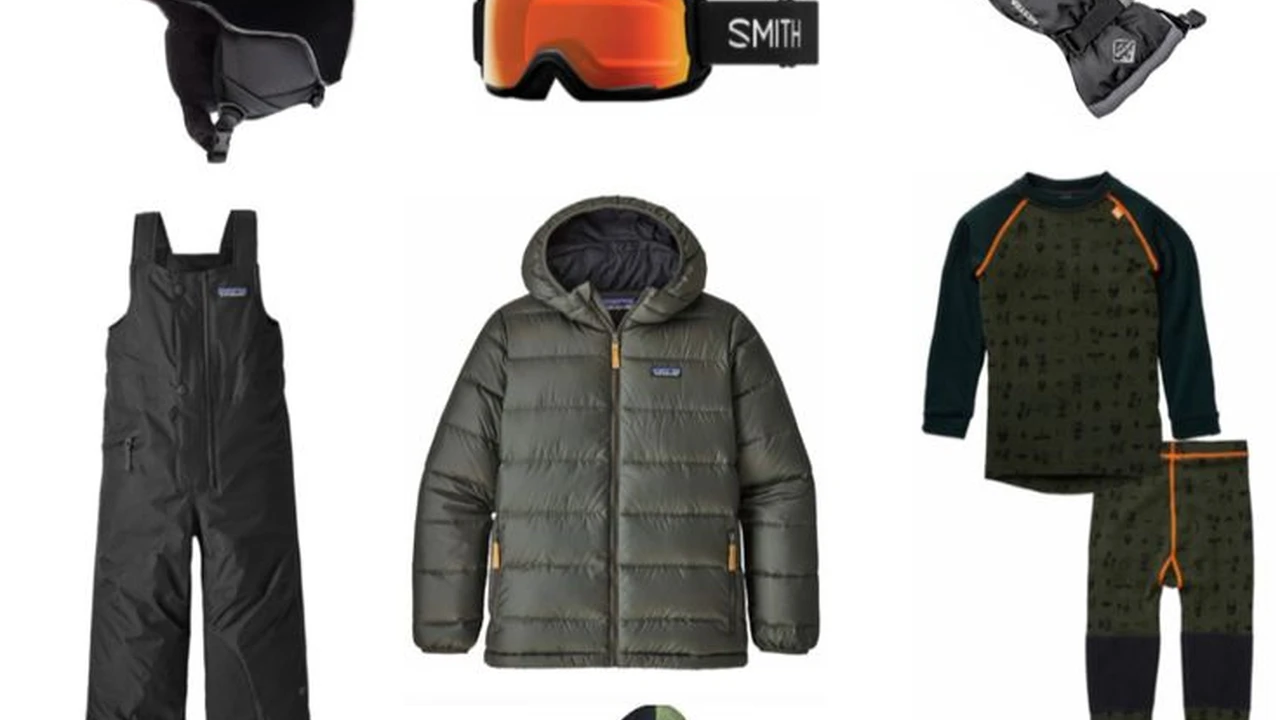
Alright, you've got the basics of operating your snowmobile down. Now, let's talk about what you need to wear. This isn't just about looking cool; it's about staying safe, warm, and comfortable in potentially extreme conditions. First and foremost, a helmet is non-negotiable. It should be DOT-approved and fit snugly. Think of it as your brain's best friend. Beyond that, layering is key. Start with a moisture-wicking base layer to keep sweat away from your skin. Then add an insulating mid-layer, like fleece, for warmth. Your outer layer should be a waterproof and windproof snowmobile suit or jacket and pants. Look for features like reinforced knees and elbows, and plenty of pockets. Don't forget insulated gloves or mitts – your hands will thank you. Good quality, insulated boots are also crucial to keep your feet warm and dry. And finally, eye protection, whether it's your helmet's visor or a separate pair of goggles, is essential to protect against wind, snow, and debris. Investing in good gear isn't just a luxury; it's a vital part of your safety strategy.
Pre-Ride Checks and Maintenance for Snowmobile Reliability
Before you even think about hitting that starter button, a thorough pre-ride check is a must. This isn't just for seasoned pros; it's for everyone who wants a safe and enjoyable ride. Start with the basics: check your fuel and oil levels. Running out of gas in the middle of nowhere is no fun. Next, inspect your track and suspension. Look for any damage, loose bolts, or worn components. Give your skis a once-over too. Are they straight? Are the carbides in good shape? These are what help you steer. Test your brakes – squeeze the lever and make sure they engage firmly. Check all your lights: headlights, taillights, and brake lights. Visibility is crucial, especially if you're riding at dusk or night. Don't forget to check your throttle for smooth operation and ensure the kill switch works. A quick visual inspection of your entire snowmobile for any obvious issues can prevent a small problem from becoming a big one out on the trail. Regular maintenance, like checking spark plugs, belts, and fluid levels, also plays a huge role in keeping your snowmobile reliable throughout the season. Think of it as giving your snowmobile a little love before it takes you on an adventure.
Understanding Trail Etiquette and Rules for Respectful Riding
Snowmobiling isn't just about you and your machine; it's about sharing the trails with others and respecting the environment. That's where trail etiquette comes in. First off, always stay on marked trails. Going off-trail can damage private property, sensitive ecosystems, and even put you in danger. Speed limits are there for a reason, so obey them, especially in populated areas or near residential zones. When you encounter other riders, slow down and give them space. If you're passing, do so safely and courteously. Hand signals are a big deal in snowmobiling – learn them! They help communicate your intentions to other riders, like how many sleds are behind you or if you're stopping. When you stop, pull over to the side of the trail so you don't block traffic. And please, pack out what you pack in. Don't leave any trash behind. Being a responsible rider means being mindful of your surroundings, other people, and the beautiful winter environment you're enjoying. It makes the experience better for everyone.
Navigating Terrain and Weather Conditions Safely
Winter conditions can be unpredictable, and knowing how to navigate different terrains and weather is crucial for snowmobiling safety. Always check the weather forecast before you head out. A sudden blizzard or whiteout can turn a fun ride into a dangerous situation. Be aware of snow depth and type. Fresh powder is fun, but deep, heavy snow can be challenging and even get you stuck. Icy patches are a major hazard, so reduce your speed and be extra cautious. When riding on frozen lakes or rivers, be extremely careful. Ice thickness can vary, and hidden currents can create weak spots. It's often best to avoid them unless you're absolutely certain of the conditions and have local knowledge. Look out for obstacles like fallen trees, rocks, or fences that might be hidden under the snow. Always ride at a speed that allows you to react to unexpected changes in terrain or visibility. If visibility drops, slow down significantly or consider stopping until conditions improve. Knowing your limits and your snowmobile's capabilities in varying conditions is key to a safe and enjoyable ride.
Emergency Preparedness and Survival Skills for Snowmobilers
Even with the best planning, things can go wrong. That's why emergency preparedness is so important for snowmobilers. Always tell someone where you're going and when you expect to be back. Carry a fully charged cell phone, but don't rely solely on it, as service can be spotty in remote areas. A GPS device or a physical map and compass are essential for navigation. Pack a small emergency kit that includes a first-aid kit, a fire starter, a multi-tool, a flashlight, extra batteries, and some high-energy snacks. A small shovel can be a lifesaver if you get stuck. Consider carrying a tow rope. If you break down or get lost, stay with your snowmobile. It's much easier for search and rescue to spot a snowmobile than a person. Know basic survival skills like building a shelter, signaling for help, and staying warm. Taking a basic first-aid course can also be incredibly beneficial. Being prepared for the unexpected can make all the difference in a challenging situation.
Specific Product Recommendations for Snowmobiling Safety
Let's dive into some specific gear that can really boost your safety and comfort on the trails. When it comes to helmets, brands like KLIM, FXR, and 509 are highly regarded. For instance, the KLIM F5 Koroyd Helmet (around $400-500 USD) offers excellent impact protection and ventilation, making it great for varying temperatures. For a more budget-friendly option, the FXR Torque Team Helmet (around $150-250 USD) provides solid protection and comfort. When choosing, prioritize DOT certification and a snug fit. For outerwear, the KLIM Togwotee Bib and Jacket combo (jacket around $600-700 USD, bib around $500-600 USD) is a top-tier choice, known for its GORE-TEX waterproofing and durability, perfect for extreme conditions. A more accessible option could be the FXR Ranger Instinct Lite Jacket and Pant (jacket around $300-400 USD, pant around $250-350 USD), which still offers great protection and warmth. Look for features like D-rings for kill switches and ample pockets. For gloves, the 509 Backcountry 509 Ignite Heated Gloves (around $200-300 USD) are fantastic for keeping your hands warm on long rides, especially in very cold weather. If you prefer non-heated, the KLIM Fusion Gloves (around $100-150 USD) offer excellent dexterity and warmth. For boots, the KLIM Adrenaline GTX Boots (around $250-350 USD) are a popular choice for their warmth, waterproofing, and comfort. A more affordable alternative could be the FXR X-Cross Pro Boots (around $150-200 USD). When it comes to navigation, a dedicated GPS device like the Garmin inReach Mini 2 (around $400 USD, plus subscription) is invaluable. It offers satellite communication for emergencies, even when you have no cell service, and basic navigation. For a more budget-friendly option, a reliable smartphone with downloaded offline maps (like Avenza Maps or Gaia GPS) can work, but remember battery life in the cold can be an issue, so a robust portable power bank like the Anker PowerCore 20000 (around $50-70 USD) is a must-have. Finally, for emergency signaling, a good quality whistle and a bright headlamp like the Black Diamond Storm 400 (around $50-60 USD) are small but mighty additions to your kit. Always consider your specific riding conditions and budget when making these choices, but never compromise on safety.
Advanced Riding Techniques for Challenging Conditions
Once you've got the basics down and your gear is sorted, you might want to explore some advanced riding techniques, especially if you're venturing into more challenging terrain or conditions. Learning how to sidehill, for example, is crucial for navigating slopes and deep snow. It involves shifting your weight to keep the snowmobile balanced on an incline. Another important skill is counter-steering, which helps you turn more effectively in deep snow or at higher speeds. Practice throttle control – smooth, consistent throttle application is key to maintaining traction and avoiding getting stuck, especially in powder. Understanding how to 'carve' turns, similar to skiing or snowboarding, can make your ride smoother and more efficient. If you find yourself stuck, knowing how to 'rock' your snowmobile back and forth can often free it without needing a shovel. Always practice these techniques in a safe, open area before trying them on challenging trails. Taking a snowmobile safety course that covers advanced techniques can also be incredibly beneficial. The more skilled you become, the safer and more enjoyable your snowmobiling adventures will be.
Environmental Responsibility and Conservation for Snowmobilers
As snowmobilers, we have a responsibility to protect the beautiful winter environments we get to explore. This isn't just about following rules; it's about being a good steward of the land. Always stick to designated trails. Going off-trail can damage fragile vegetation, disturb wildlife, and lead to erosion. Be mindful of noise pollution, especially near residential areas or wildlife habitats. Modern snowmobiles are much quieter than older models, but responsible riding still means being considerate. Avoid disturbing wildlife – if you see animals, give them plenty of space and don't chase them. Pack out all your trash, including any food wrappers or empty fuel containers. Leave no trace. Consider the impact of your fuel and oil – ensure your snowmobile is well-maintained to minimize emissions and prevent leaks. Support organizations that work to maintain and expand snowmobile trails, as these efforts help ensure sustainable access for everyone. By being environmentally conscious, we can ensure that future generations can also enjoy the thrill of snowmobiling in pristine winter landscapes. It's about preserving the playground for everyone.
Common Snowmobiling Hazards and How to Avoid Them
Even experienced riders can encounter hazards, so knowing what to look out for is vital. One of the biggest dangers is thin ice on frozen bodies of water. Never assume ice is safe, especially if you don't have local knowledge or haven't checked conditions. It's often best to avoid crossing frozen lakes and rivers altogether. Another common hazard is hidden obstacles. Rocks, stumps, and fallen trees can be completely covered by snow, leading to serious accidents. Always ride at a speed that allows you to react to unexpected bumps or objects. Avalanches are a serious risk in mountainous terrain. If you're riding in avalanche-prone areas, you need proper training, equipment (like beacons, shovels, and probes), and local knowledge. Never ride alone in such areas. Collisions with other snowmobiles, trees, or fixed objects are also a risk, often due to excessive speed, inattention, or riding under the influence. Always ride sober and within your skill level. Getting lost is another hazard, especially in whiteout conditions or unfamiliar territory. Always carry navigation tools and know how to use them. Finally, mechanical breakdowns can leave you stranded in the cold. Regular maintenance and carrying a basic repair kit can help mitigate this risk. Being aware of these common hazards and taking proactive steps to avoid them will significantly increase your safety on the trails.
:max_bytes(150000):strip_icc()/277019-baked-pork-chops-with-cream-of-mushroom-soup-DDMFS-beauty-4x3-BG-7505-5762b731cf30447d9cbbbbbf387beafa.jpg)