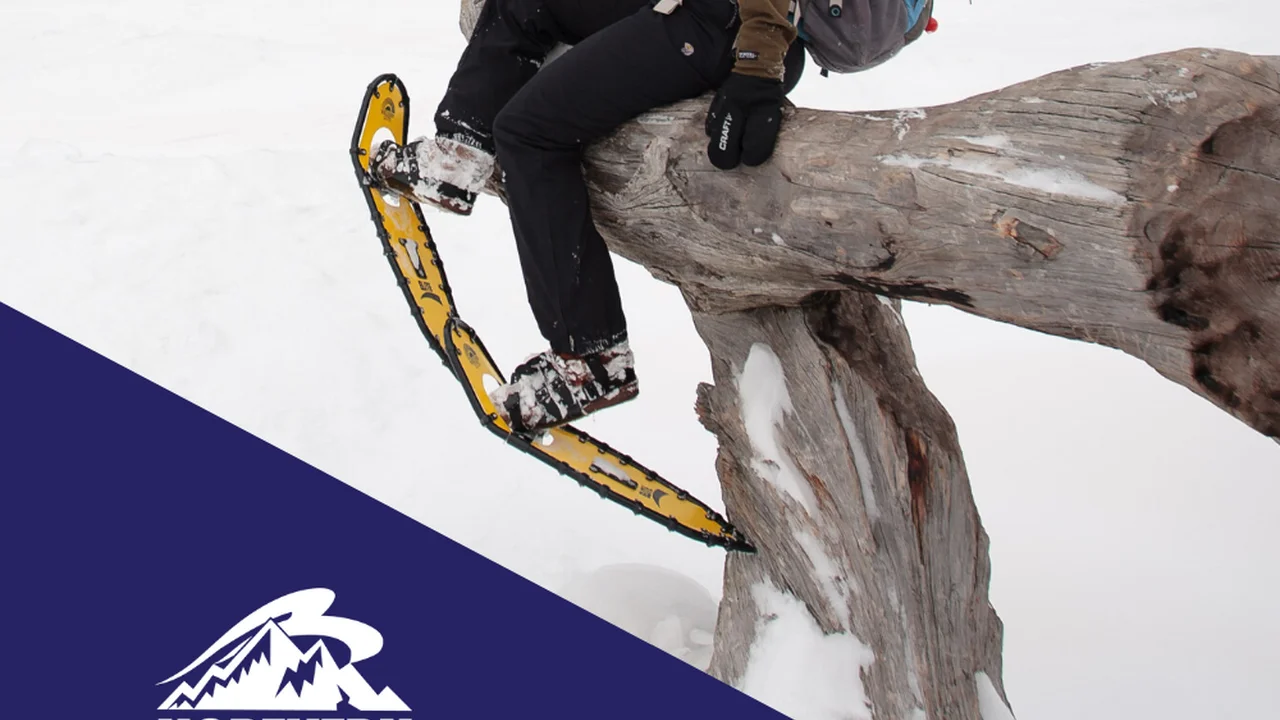
Find easy and scenic snowshoeing trails perfect for beginners. Enjoy winter landscapes at your own pace.
Snowshoeing Trails for Beginners Your Ultimate Guide to Winter Walking
Welcome to the wonderful world of snowshoeing! If you're looking for a fantastic way to enjoy the serene beauty of winter, get some exercise, and explore snow-covered landscapes without needing advanced skiing or snowboarding skills, snowshoeing is your answer. It's an incredibly accessible winter sport, perfect for all ages and fitness levels, especially beginners. This comprehensive guide will walk you through everything you need to know about finding and enjoying beginner-friendly snowshoeing trails, including essential gear, safety tips, and even some specific product recommendations to get you started.
Why Snowshoeing is Perfect for Winter Enthusiasts
Snowshoeing offers a unique blend of tranquility and physical activity. Unlike skiing or snowboarding, which often require specific terrain and a steeper learning curve, snowshoeing allows you to traverse deep snow with relative ease, opening up a whole new world of winter exploration. It's essentially hiking in the snow, but with the added flotation of snowshoes, preventing you from sinking too deeply. This makes it an excellent low-impact cardio workout, burning more calories than regular walking due to the added resistance of snow.
Benefits of Snowshoeing for Beginners and Beyond
- Accessibility: Very easy to learn, no complex techniques required. If you can walk, you can snowshoe.
- Low Impact: Gentle on joints, making it suitable for a wide range of ages and fitness levels.
- Affordability: Compared to other winter sports, the initial investment in gear is relatively low.
- Versatility: Can be done on various terrains, from flat groomed trails to rolling hills.
- Nature Immersion: Allows for quiet, intimate experiences in nature, away from crowded slopes.
- Great Workout: Provides an excellent full-body workout, engaging core and leg muscles.
Essential Snowshoeing Gear for Your First Adventure
Before hitting the trails, having the right gear is crucial for comfort, safety, and enjoyment. Don't worry, you don't need to break the bank to get started. Many outdoor gear shops offer rentals, which is a great way to try out the sport before committing to a purchase.
Snowshoes Choosing Your First Pair
The most important piece of gear is, of course, the snowshoes themselves. For beginners, recreational or 'flat terrain' snowshoes are ideal. They are generally lighter, easier to maneuver, and designed for packed snow or gentle slopes. The size of the snowshoe depends on your weight (including your pack) and the type of snow you'll be in. Heavier individuals or those in deep, powdery snow will need larger snowshoes for better flotation.
Recommended Beginner Snowshoes
-
MSR Evo Trail Snowshoes:
- Description: These are a classic for a reason. Durable, easy to use, and offer excellent traction. Their UniBody deck provides integrated traction rails, making them great for varied conditions. They come with simple, secure bindings.
- Use Case: Perfect for packed trails, rolling hills, and general recreational use. Very forgiving for beginners.
- Price Range: $150 - $180 USD
- Comparison: Lighter than some entry-level models, with superior traction compared to basic aluminum frame snowshoes. The plastic deck is very durable.
-
Tubbs Flex TRK Snowshoes:
- Description: Known for their comfortable bindings and a flexible tail that absorbs shock and allows for a more natural stride. The Torsion Deck design enhances traction and articulation.
- Use Case: Excellent for beginners on varied terrain, from flat to moderately hilly. The comfortable binding system is a big plus for longer outings.
- Price Range: $160 - $200 USD
- Comparison: Often praised for their comfort and natural feel. The flexible tail is a unique feature that reduces strain.
-
Atlas Access Snowshoes:
- Description: A solid all-around choice with a sturdy aluminum frame and comfortable straps. They feature a Spring-Loaded Suspension (SLS) system that allows the snowshoe to articulate independently with your foot, providing a natural stride.
- Use Case: Good for general recreational snowshoeing on packed trails and gentle slopes. Reliable and easy to use.
- Price Range: $140 - $170 USD
- Comparison: A great value option that doesn't compromise on essential features for beginners. The SLS system is a nice touch for comfort.
Footwear and Layering Staying Warm and Dry
Your feet are your foundation, so proper footwear is key. Waterproof, insulated winter hiking boots are highly recommended. Avoid cotton socks, as they retain moisture; opt for wool or synthetic blends. Layering your clothing is essential for managing your body temperature. You'll warm up quickly once you start moving, so having layers you can shed is important.
Clothing Essentials
- Base Layer: Moisture-wicking (wool or synthetic) top and bottom.
- Mid-Layer: Fleece jacket or insulated vest for warmth.
- Outer Layer: Waterproof and windproof jacket and pants (ski pants or shell pants work well).
- Socks: Wool or synthetic, medium to heavy thickness.
- Hat: To retain body heat.
- Gloves or Mittens: Waterproof and insulated.
Poles and Other Accessories Enhancing Your Experience
Trekking poles (with snow baskets) are highly recommended for balance and stability, especially on uneven terrain or slight inclines. They also help with upper body engagement. Other useful items include a small backpack for water, snacks, extra layers, a first-aid kit, and navigation tools (map, compass, or GPS).
Recommended Poles
-
Black Diamond Trail Explorer 3 Trekking Poles:
- Description: Durable aluminum poles with comfortable foam grips and adjustable FlickLock mechanisms for easy length adjustment. Come with snow baskets.
- Use Case: Versatile for snowshoeing, hiking, and backpacking. Great for stability on varied terrain.
- Price Range: $80 - $100 USD
Finding Beginner Friendly Snowshoeing Trails
Now that you're geared up, it's time to find the perfect spot for your first snowshoeing adventure. Beginner-friendly trails are typically relatively flat or have gentle, rolling hills. They should also be well-marked and easily accessible.
Where to Look for Trails
- Local Parks and Nature Centers: Many local and state parks, especially those with visitor centers, offer designated snowshoeing trails. They often have maps and sometimes even rentals.
- Ski Resorts: A growing number of ski resorts have dedicated snowshoeing trails, often groomed and well-maintained, sometimes with a small trail fee.
- National Forests and Parks: These vast areas often have numerous trails suitable for snowshoeing, though some might be less marked than others. Always check conditions and regulations.
- Online Resources: Websites like AllTrails, local tourism boards, and outdoor recreation forums are excellent sources for trail information, reviews, and conditions.
- Local Outdoor Shops: Staff at your local outdoor gear store are often a wealth of information about nearby trails and conditions.
Characteristics of a Good Beginner Trail
- Flat or Gentle Slopes: Avoid steep ascents or descents initially.
- Well-Marked: Clear signage prevents getting lost.
- Accessible: Easy to get to, with parking available.
- Popular: Trails that see regular use are often packed down, making for easier snowshoeing.
- Shorter Distance: Start with a shorter loop (1-3 miles) to gauge your fitness and comfort level.
- Scenic: Choose a trail with beautiful winter views to enhance your experience.
Safety First Tips for a Smooth Snowshoeing Trip
Even on beginner trails, winter conditions can be unpredictable. Always prioritize safety.
Before You Go
- Check the Weather: Know the forecast for the entire duration of your trip. Be aware of temperature drops, wind chill, and potential snowfall.
- Tell Someone Your Plans: Inform a friend or family member of your route and estimated return time.
- Pack Essentials: Water, snacks, extra layers, first-aid kit, headlamp (even for day trips), navigation tools, and a fully charged phone.
- Dress in Layers: As mentioned, this is crucial for temperature regulation.
- Know Your Limits: Don't push yourself too hard on your first few outings.
On the Trail
- Stay Hydrated: Even in cold weather, you can get dehydrated. Drink water regularly.
- Eat Snacks: Keep your energy levels up with high-energy snacks.
- Stay on Marked Trails: This prevents getting lost and protects fragile winter ecosystems.
- Be Aware of Your Surroundings: Look out for changing snow conditions, ice, or potential hazards.
- Leave No Trace: Pack out everything you pack in. Respect wildlife and the natural environment.
- Turn Back if Conditions Worsen: Don't hesitate to cut your trip short if the weather turns or you feel unwell.
Popular Beginner Snowshoeing Destinations in the US and Southeast Asia
While snowshoeing is primarily a cold-weather activity, some higher elevation areas in Southeast Asia might offer unique opportunities, though the primary focus will be on regions with consistent snowfall.
United States
-
Rocky Mountain National Park Colorado:
- Description: Offers numerous beginner-friendly trails, especially around the Bear Lake Road corridor. Trails like Sprague Lake Loop or Bierstadt Lake Trail are relatively flat and incredibly scenic. The park service often offers ranger-led snowshoe walks.
- Use Case: Ideal for stunning mountain views, wildlife spotting, and well-maintained trails.
-
Yosemite National Park California:
- Description: While known for its summer beauty, Yosemite transforms into a winter wonderland. The Yosemite Valley Loop Trail (parts of it) or the Mariposa Grove of Giant Sequoias offer relatively flat and awe-inspiring snowshoeing experiences.
- Use Case: Iconic scenery, giant trees, and a quieter park experience in winter.
-
Mount Rainier National Park Washington:
- Description: The Paradise area is a popular spot for snowshoeing, with gentle slopes and incredible views of the mountain. Ranger-led snowshoe walks are also available here.
- Use Case: Majestic mountain views, deep snow, and a true winter wilderness feel.
-
Acadia National Park Maine:
- Description: The carriage roads, closed to vehicles in winter, become perfect, gently rolling snowshoeing trails. They offer beautiful coastal and forest views.
- Use Case: Unique coastal winter scenery, well-groomed paths, and a peaceful atmosphere.
-
White Mountains New Hampshire:
- Description: Many lower elevation trails in areas like Franconia Notch State Park or Crawford Notch State Park are suitable for beginners, offering beautiful forest and river views.
- Use Case: Classic New England winter landscapes, accessible trails, and charming small towns nearby.
Southeast Asia (Limited Opportunities)
Snowshoeing opportunities in Southeast Asia are extremely limited due to the tropical climate. However, some very high-altitude regions might experience seasonal snow, though these are generally not developed for recreational snowshoeing and would require significant expedition planning and expertise.
-
Mount Kinabalu Malaysia (Summit Area):
- Description: While not a typical snowshoeing destination, the summit of Mount Kinabalu (4,095m) can occasionally see frost and even light snow during colder months. This is an extreme example and not suitable for recreational snowshoeing as a primary activity. It's a challenging mountaineering objective where snow might be encountered, but not the focus.
- Use Case: Only for experienced mountaineers, not a beginner snowshoeing trail.
-
Himalayan Foothills (Northern Myanmar/Vietnam Borders):
- Description: Remote, high-altitude areas bordering the Himalayas in northern Myanmar or Vietnam might experience snow. However, these are undeveloped wilderness areas with no established snowshoeing trails or infrastructure. They are for serious adventurers and explorers only.
- Use Case: Extreme expedition, not for recreational snowshoeing.
For the vast majority of snowshoeing enthusiasts targeting the US and Southeast Asian markets, the focus for snowshoeing will overwhelmingly be on North American destinations or other regions with reliable winter snowfall.
Embracing the Winter Wonderland Your First Snowshoeing Steps
Snowshoeing is a fantastic way to embrace the winter season and discover the quiet beauty of snow-covered landscapes. It's a sport that truly is for everyone, offering both a great workout and a peaceful escape into nature. By choosing the right gear, understanding basic safety, and selecting appropriate beginner trails, you're well on your way to countless memorable winter adventures. So, grab your snowshoes, layer up, and step out into the serene winter wonderland. The trails are waiting for you!
:max_bytes(150000):strip_icc()/277019-baked-pork-chops-with-cream-of-mushroom-soup-DDMFS-beauty-4x3-BG-7505-5762b731cf30447d9cbbbbbf387beafa.jpg)