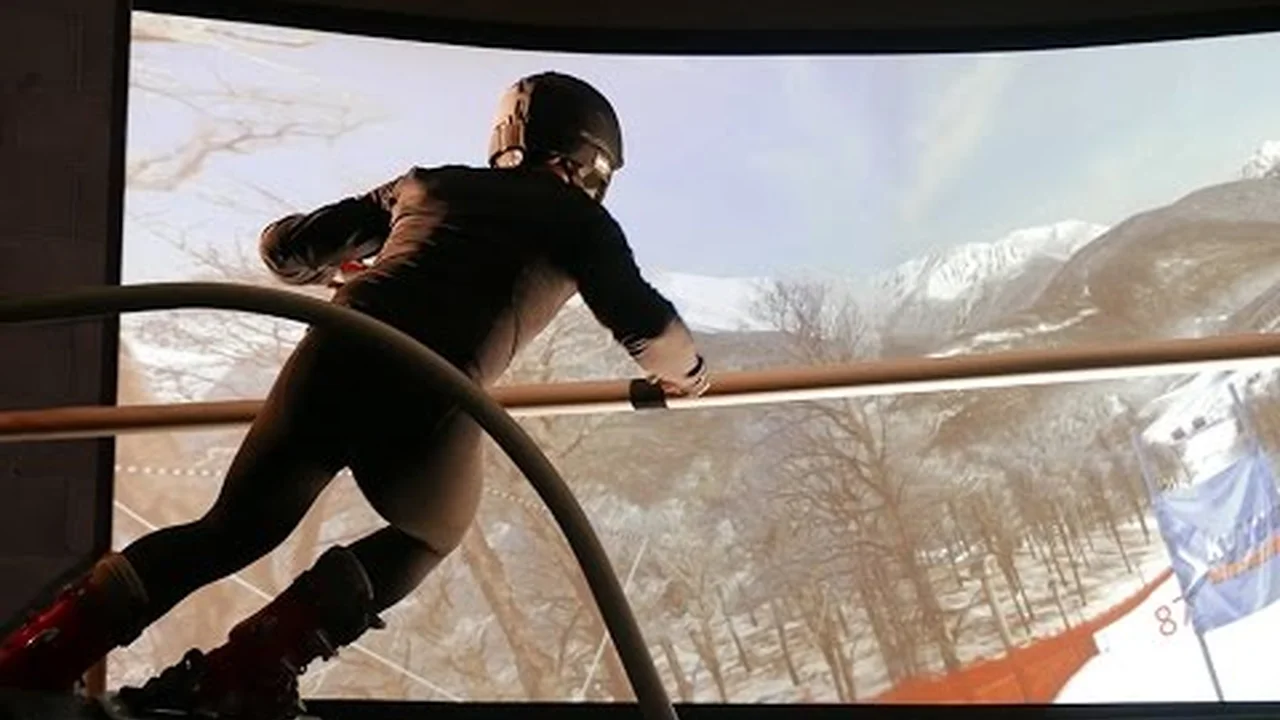
Virtual Reality Ski Simulators Your Ultimate Home Training Tool
Hey there, fellow snow enthusiasts! Ever wished you could hit the slopes even when you're stuck at home, miles away from the nearest mountain? Or maybe you're a beginner looking to get a feel for skiing before you brave the real thing? Well, get ready to have your mind blown because virtual reality (VR) ski simulators are here to make those dreams a reality. These aren't just fancy video games; we're talking about sophisticated setups that can genuinely help you improve your skiing technique, explore famous resorts, and even get a decent workout, all from the comfort of your living room. Let's dive deep into what these amazing pieces of tech are all about, how they work, and which ones might be perfect for you.
What Are VR Ski Simulators and How Do They Work
So, what exactly is a VR ski simulator? At its core, it's a system designed to replicate the sensation and experience of skiing using virtual reality technology. Think of it as a high-tech treadmill for skiers. You typically stand on a platform that moves and tilts, mimicking the uneven terrain and forces you'd encounter on a real slope. You'll wear a VR headset, which transports you to a virtual mountain environment, complete with snow, trees, lifts, and other skiers. The combination of the physical movement and the immersive visuals creates a surprisingly realistic experience.
The magic happens through a few key components. First, there's the motion platform. This can range from a simple balance board to a complex, multi-axis system that can tilt, rotate, and even simulate vibrations. Sensors on the platform track your weight distribution, balance, and movements, translating them into actions within the virtual world. For example, leaning left makes your virtual skier turn left, and shifting your weight forward helps you accelerate. Then, of course, there's the VR headset. This is your window into the virtual ski resort. High-resolution displays and wide fields of view make the virtual environment feel incredibly real, and some headsets even offer haptic feedback to simulate bumps and vibrations.
Beyond the hardware, the software is crucial. The simulator's programming includes realistic physics engines that accurately model how skis interact with snow, how gravity affects your speed, and how your body movements influence your turns. Many simulators also feature detailed recreations of real-world ski resorts, allowing you to virtually explore iconic runs and famous landmarks. Some even offer different snow conditions, from fresh powder to icy patches, to further enhance the realism.
Benefits of Training with VR Ski Simulators Skill Development and Fitness
You might be thinking, 'Can a VR simulator really help me ski better?' The answer is a resounding yes! These simulators offer a ton of benefits, especially for skill development and even physical fitness.
Skill Refinement and Technique Practice
One of the biggest advantages is the ability to practice and refine your technique without the pressure of a real mountain. You can work on specific aspects of your skiing, like carving, edge control, or parallel turns, in a controlled environment. The immediate feedback you get from the simulator, often displayed on a screen or through haptic sensations, allows you to quickly correct mistakes and reinforce good habits. For beginners, it's an excellent way to learn the basic movements and build muscle memory before hitting the actual slopes. Imagine practicing your snowplow turns a hundred times without having to ride a lift or worry about falling in front of others! Even advanced skiers can benefit by fine-tuning their balance and body positioning for more efficient and powerful turns.
Year Round Training and Accessibility
Another huge plus is the year-round accessibility. No snow? No problem! Living far from a ski resort? Doesn't matter! VR ski simulators allow you to train anytime, anywhere. This is particularly great for those who live in warmer climates or who can only make it to the mountains a few times a year. It keeps your skills sharp and your muscles engaged, so you're not starting from scratch every winter. Plus, it's a fantastic way to stay connected to the sport you love, even during the off-season.
Physical Conditioning and Core Strength
Don't underestimate the physical workout you can get from these simulators. Skiing is a demanding sport that requires strong legs, core stability, and good balance. VR ski simulators engage these same muscle groups. You'll be constantly shifting your weight, bending your knees, and engaging your core to control your virtual skier. Many users report feeling a genuine burn in their quads and glutes after a session. It's a fun and engaging way to improve your fitness specifically for skiing, helping you build the endurance and strength needed to tackle longer runs and more challenging terrain on the real mountain. Think of it as a dynamic, interactive exercise machine that also happens to be incredibly fun.
Safe Learning Environment and Confidence Building
For beginners or those recovering from injuries, the safe learning environment is invaluable. There's no risk of falling and getting hurt, no icy patches to worry about, and no crowded slopes to navigate. This allows you to experiment with different techniques and push your limits without fear. Building confidence in a virtual setting can significantly reduce anxiety when you finally step onto real snow. You'll already have a foundational understanding of the movements and sensations, making the transition much smoother and more enjoyable.
Types of VR Ski Simulators Exploring Your Options
Just like real skis, VR ski simulators come in various shapes, sizes, and price points. Let's break down the different types you might encounter.
Entry Level Balance Board Simulators
These are typically the most affordable and accessible options. They often consist of a balance board or a simple platform that connects to your computer or gaming console. You'll use a VR headset (like an Oculus Quest or Valve Index) to immerse yourself in the virtual world. The movement is primarily controlled by your body's balance and weight shifts. While they might not offer the same level of physical realism as more advanced systems, they're excellent for practicing basic balance, edge control, and getting a feel for the rhythm of skiing. They're a great starting point for casual users or those on a tighter budget.
Example Product: Carv Digital Ski Coach (while not a full simulator, it's a great entry point for technique analysis that can be paired with VR experiences). For a more direct simulator, look for indie VR games that support balance boards or even just hand controllers for movement. Some games like 'Powder VR' or 'The Slopes' offer a good virtual experience, though they might lack a dedicated physical platform.
- Typical Price Range: $50 - $300 (for the balance board/controller setup, not including VR headset)
- Use Case: Casual fun, basic balance practice, getting a feel for VR skiing.
- Pros: Affordable, compact, easy to set up.
- Cons: Limited physical feedback, less realistic motion.
Mid Range Motion Platform Simulators
Stepping up a notch, these simulators incorporate more sophisticated motion platforms that can tilt and sometimes even rotate. They provide a more immersive and physically engaging experience, mimicking the feeling of carving turns and absorbing bumps. These often require a dedicated space and can be a bit more involved to set up, but the enhanced realism is usually worth it for serious enthusiasts.
Example Product: SkyTechSport Ski & Snowboard Simulator (Home Edition). SkyTechSport is a well-known name in the professional simulator world, and they offer home versions that provide a very realistic experience. These typically feature a moving platform that slides and tilts, allowing for precise edge control and carving practice. They often come with their own software and can be integrated with various VR headsets.
- Typical Price Range: $1,000 - $5,000+
- Use Case: Serious skill development, fitness training, immersive home entertainment.
- Pros: Much more realistic physical feedback, better for technique refinement, good workout.
- Cons: More expensive, requires dedicated space, can be complex to set up.
High End Professional Grade Simulators
At the top tier, you'll find professional-grade simulators used by ski schools, athletes, and even for entertainment centers. These are incredibly sophisticated machines with multi-axis motion platforms, advanced haptic feedback systems, and highly detailed virtual environments. They can accurately simulate a wide range of snow conditions, terrain, and even the forces of high-speed turns. While often out of reach for the average consumer due to their price and size, they represent the pinnacle of VR ski simulation.
Example Product: Pro Ski Simulator (various models from companies like SkyTechSport, Alpine Ski Simulator). These are often custom-built or semi-custom systems designed for commercial use or elite training. They feature robust construction, powerful motors for realistic motion, and comprehensive software packages for detailed performance analysis. They might include large projection screens in addition to VR headsets for a shared experience.
- Typical Price Range: $10,000 - $50,000+
- Use Case: Professional training, commercial entertainment, high-end personal use.
- Pros: Unparalleled realism, comprehensive training features, extremely durable.
- Cons: Very expensive, very large, requires professional installation and maintenance.
Key Features to Look For When Buying a VR Ski Simulator
So, you're convinced and ready to invest? Awesome! But before you pull out your wallet, here are some key features to consider to make sure you get the best simulator for your needs and budget.
Motion Platform Realism and Range of Motion
This is arguably the most important feature. How realistic is the physical feedback? Does the platform tilt, slide, and rotate to mimic actual skiing movements? A wider range of motion and more axes of movement will generally provide a more immersive and effective training experience. Look for systems that can simulate edge pressure, carving, and absorption of bumps. Some advanced platforms even have independent left and right foot control, which is crucial for refining your turns.
VR Headset Compatibility and Visual Quality
What VR headsets does the simulator support? Is it compatible with popular options like Oculus Quest 2, Valve Index, or HTC Vive? The visual quality of the VR experience is paramount for immersion. Look for headsets with high resolution, a wide field of view, and a good refresh rate to minimize motion sickness and make the virtual world look as crisp as possible. Some simulators might even come bundled with a specific headset, which can simplify the setup process.
Software Features and Virtual Environments
The software is where the virtual magic happens. Does it offer a variety of virtual ski resorts or different types of terrain? Are there options for different snow conditions (powder, groomed, icy)? Look for features like real-time performance tracking, analytics, and even virtual coaching. Some software might include guided lessons or challenges to help you improve specific skills. The more diverse and engaging the virtual environments, the more fun and effective your training will be.
Durability and Build Quality
A ski simulator is an investment, so you want it to last. Check reviews for information on the build quality and durability of the components. Is the platform sturdy? Are the motors reliable? For home use, you might not need a commercial-grade machine, but you still want something that can withstand regular use without breaking down.
Space Requirements and Ease of Setup
Motion platforms can take up a significant amount of space. Measure your available area before purchasing. Also, consider how easy the simulator is to set up and take down. Some systems are designed for permanent installation, while others are more portable. If you plan to move it around, look for something that's relatively easy to assemble and disassemble.
Price and Value for Money
Finally, consider your budget. As we've seen, prices can range from a few hundred dollars to tens of thousands. Determine what features are most important to you and find a simulator that offers the best value for your money. Remember, the most expensive option isn't always the best for your specific needs. Sometimes a mid-range simulator can provide an excellent balance of realism and affordability.
Setting Up Your VR Ski Simulator Tips for Optimal Performance
Once you've got your simulator, setting it up correctly is key to getting the most out of it. Here are some tips to ensure optimal performance and a great experience.
Dedicated Space and Safety Considerations
Clear out a dedicated space. You'll need enough room around the motion platform to move freely without hitting walls or furniture. Think about safety: ensure cables are neatly tucked away to prevent tripping hazards. If your simulator has a large range of motion, make sure there's nothing it can collide with. Good ventilation is also a plus, as you'll likely be working up a sweat!
Calibration and Software Updates
Always follow the manufacturer's instructions for calibration. This ensures the simulator accurately tracks your movements and translates them into the virtual world. Regular software updates are also crucial. Developers often release patches that improve performance, add new features, or fix bugs. Keeping your software up-to-date will ensure you're always getting the best possible experience.
VR Headset Setup and Comfort
Properly adjust your VR headset for comfort and clarity. Make sure the straps are snug but not too tight, and adjust the interpupillary distance (IPD) if your headset allows it, to match your eye spacing. A clear, focused image is essential for immersion and to prevent eye strain or motion sickness. Ensure your headset is fully charged or connected to power if it's a tethered system.
Audio Immersion and External Speakers
Don't underestimate the power of good audio. While most VR headsets have built-in headphones, consider using external speakers or high-quality over-ear headphones for a more immersive experience. Hearing the wind rush by, the crunch of snow, and the sounds of the virtual resort can significantly enhance the feeling of being on the mountain.
Lighting Conditions and Room Environment
For optimal VR tracking, ensure your room has adequate, even lighting. Too much direct sunlight or very dim conditions can sometimes interfere with the headset's tracking sensors. A consistent environment helps the system maintain stable tracking of your movements, preventing glitches or disorientation.
Popular VR Ski Simulator Brands and Models A Quick Look
While the market for home VR ski simulators is still evolving, a few names stand out. Here's a quick overview of some popular brands and models you might encounter, keeping in mind that availability and specific models can vary.
SkyTechSport Simulators
SkyTechSport is perhaps the most recognized name in the professional ski simulator world, and they've made inroads into the home market. Their simulators are known for their robust build quality and highly realistic motion platforms. They offer various models, from compact home versions to full-scale commercial units. Their software often includes detailed analytics and a wide range of virtual slopes. They are generally on the higher end of the price spectrum but deliver a premium experience.
Carv Digital Ski Coach (as an enhancement)
While not a full simulator on its own, Carv is worth mentioning because it pairs incredibly well with VR skiing experiences. Carv consists of smart inserts that go into your ski boots and provide real-time audio coaching and detailed data on your technique (edge angle, pressure, balance). When combined with a VR headset and a basic balance board setup, Carv can turn a simple VR skiing game into a powerful training tool, giving you precise feedback on your virtual turns.
Indie VR Games and Balance Board Setups
For those on a budget or just looking for casual fun, many indie VR games offer skiing experiences that can be enhanced with a simple balance board. Games like 'Powder VR' or 'The Slopes' on platforms like SteamVR or Oculus Store provide decent virtual environments. While they lack the sophisticated motion platforms of dedicated simulators, they can still be a fun way to experience virtual skiing and practice basic balance. You'd typically use a standard VR headset (like Oculus Quest 2, Valve Index, or HTC Vive) and potentially a third-party balance board or even just your body weight for control.
Future of VR Ski Simulators Innovations and Trends
The world of VR technology is constantly evolving, and ski simulators are no exception. We can expect to see some exciting innovations and trends in the coming years.
Enhanced Haptic Feedback and Force Simulation
Imagine feeling every bump, every patch of ice, and the precise resistance of the snow under your skis. Future simulators will likely incorporate more advanced haptic feedback systems and force simulation, making the physical sensation even more realistic. This could involve more sophisticated actuators in the platform, haptic gloves, or even full-body suits that provide tactile feedback.
More Realistic Graphics and Photogrammetry
As VR headset technology improves, we'll see even higher resolutions and wider fields of view, leading to incredibly realistic virtual environments. The use of photogrammetry (creating 3D models from real-world photos) will allow developers to create hyper-realistic recreations of actual ski resorts, making you feel like you're truly there.
AI Powered Coaching and Personalized Training
Artificial intelligence (AI) will play a significant role in personalized training. AI-powered coaches could analyze your virtual skiing technique in real-time, identify weaknesses, and provide tailored feedback and drills. Imagine an AI coach that adapts to your learning style and helps you progress faster than ever before.
Multiplayer Experiences and Virtual Races
The social aspect of skiing is huge, and VR simulators will increasingly embrace multiplayer experiences. You'll be able to ski with friends in virtual resorts, compete in virtual races, or even take virtual lessons with a live instructor. This will add a whole new dimension of fun and engagement to home training.
Integration with Real World Data and IoT
Imagine your simulator pulling real-time snow conditions from your favorite resort, or integrating with your fitness tracker to adjust the workout intensity. The integration of Internet of Things (IoT) devices and real-world data could make the training experience even more dynamic and relevant.
Getting Started with Your VR Ski Simulator Journey
So, you're ready to hit the virtual slopes? Fantastic! Whether you're a seasoned pro looking to stay sharp or a complete beginner eager to learn, a VR ski simulator can be an incredibly valuable tool. Start by assessing your budget and space, then research the different types of simulators and their features. Read reviews, watch videos, and if possible, try one out before you buy. Remember, the goal is to find a system that provides a realistic, engaging, and effective training experience for you.
Don't forget to pair your simulator with a good VR headset and ensure your computer or console meets the necessary specifications. Once everything is set up, take your time to get comfortable with the controls and the virtual environment. Start with easier runs and gradually work your way up to more challenging terrain. Most importantly, have fun! VR ski simulators are not just about training; they're about extending the joy of skiing into your home, allowing you to experience the thrill of the mountain whenever you want. So, strap in, put on your headset, and get ready to carve some virtual powder!
:max_bytes(150000):strip_icc()/277019-baked-pork-chops-with-cream-of-mushroom-soup-DDMFS-beauty-4x3-BG-7505-5762b731cf30447d9cbbbbbf387beafa.jpg)