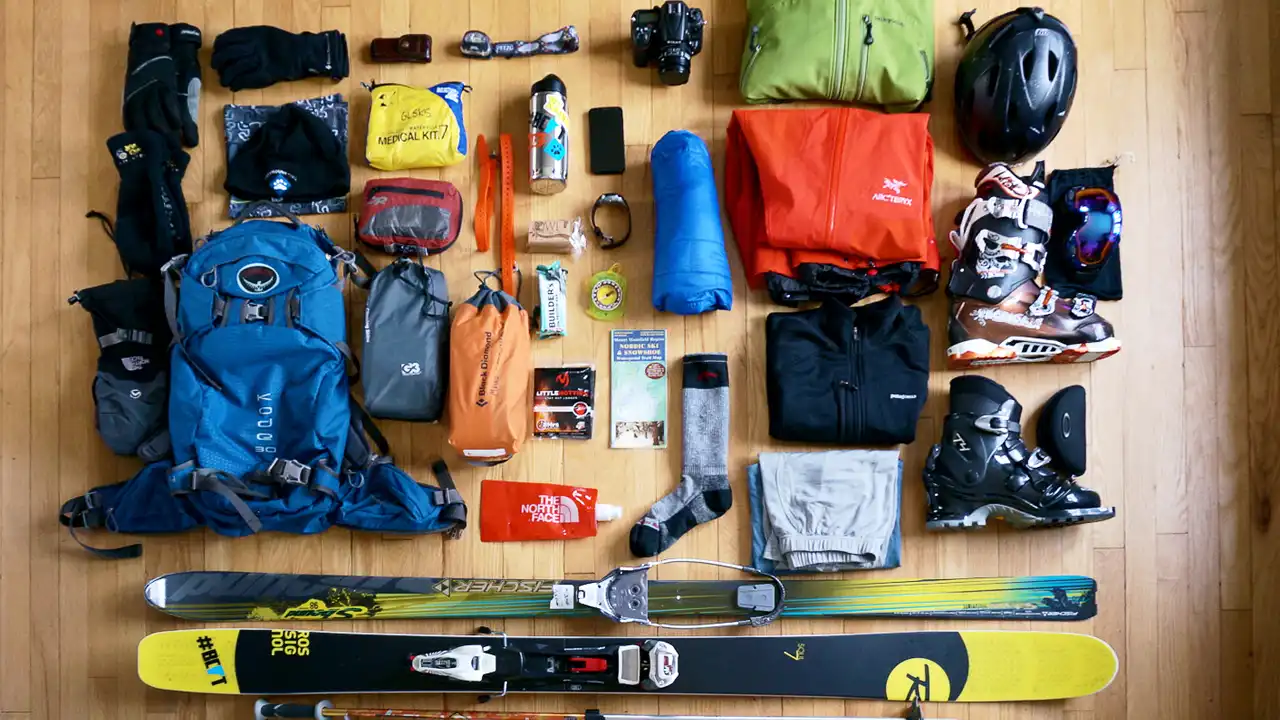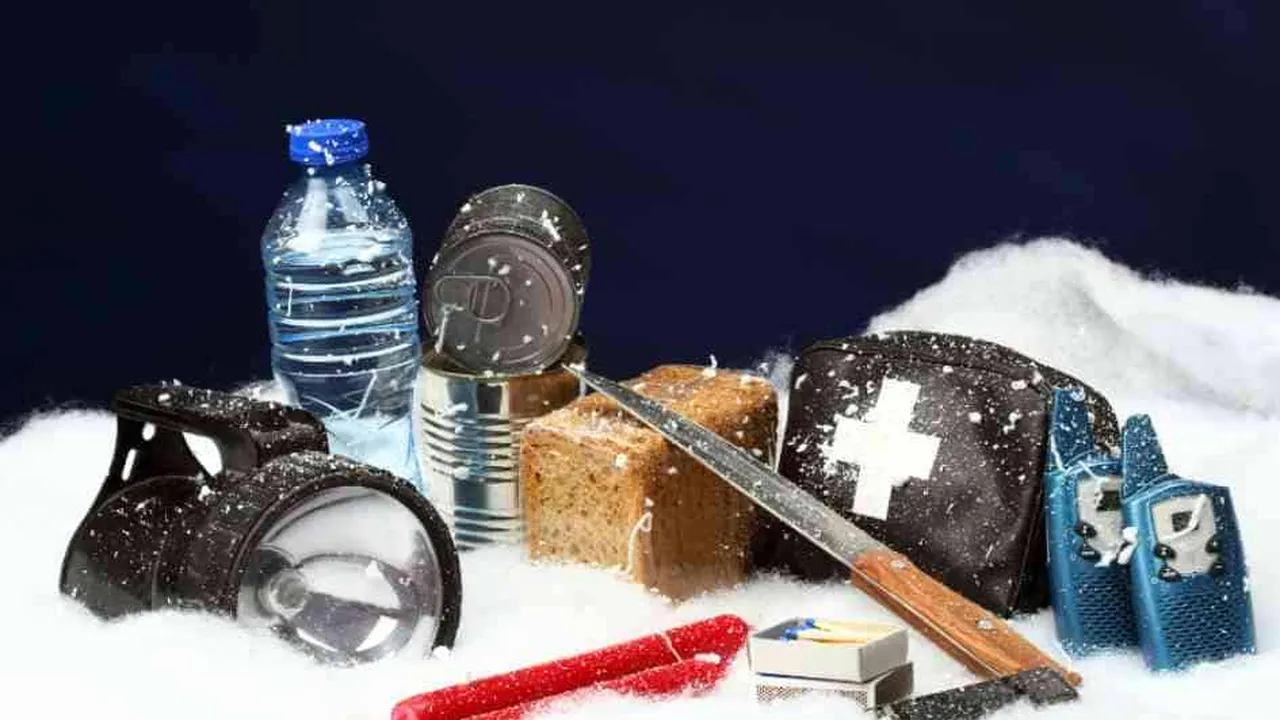
Prepare for cold nights with essential winter camping gear. Tents, sleeping bags, and stoves for extreme conditions. Winter camping, for the uninitiated, might sound like a masochistic endeavor. Why trade a warm bed for a frozen tent? But for those who embrace the chill, winter camping offers unparalleled solitude, breathtaking snowy landscapes, and a profound sense of accomplishment. It's a chance to see nature in its most pristine, quiet state, far from the summer crowds. However, this unique experience demands meticulous preparation and the right gear. Unlike fair-weather camping, where a slight oversight might lead to minor discomfort, a mistake in winter can have serious consequences. This comprehensive guide will walk you through the absolute essentials for a safe, warm, and enjoyable winter camping trip, covering everything from your shelter to your cooking setup.
Winter Camping Gear Essentials
Shelter Solutions for Extreme Cold Tents and Tarps
Your tent is your primary defense against the elements. In winter, you need more than just a lightweight summer shelter. Look for a four-season tent, specifically designed to withstand heavy snow loads, strong winds, and extreme cold. These tents typically feature stronger poles, more robust fabrics, and a design that sheds snow efficiently. Ventilation is also key to prevent condensation buildup, which can lead to damp gear and a colder interior.
Four Season Tent Recommendations for Winter Camping
- Hilleberg Nallo 3 GT: This tunnel tent is a favorite among winter campers for its exceptional strength-to-weight ratio and spacious vestibule, perfect for storing gear and cooking. It's incredibly stable in high winds and sheds snow beautifully. While pricey, its durability and reliability are unmatched.
- MSR Access 2: Designed for ski mountaineers and winter backpackers, the Access 2 offers a great balance of weight, warmth, and strength. It's a semi-geodesic design that handles snow loads well and provides good interior space for two.
- Black Diamond Eldorado: A classic single-wall expedition tent, the Eldorado is renowned for its bombproof construction and ability to withstand the harshest conditions. It's lighter than many double-wall tents but requires good ventilation management to minimize condensation.
Winter Tarp and Bivy Options for Minimalists
For the ultralight enthusiast or those seeking a more immersive experience, a tarp and bivy combination can be an option, but it requires significant skill and experience. A durable, waterproof bivy sack provides a barrier against moisture and adds a few degrees of warmth, while a tarp offers protection from snow and wind. This setup is best for experienced winter campers in less extreme conditions.
Sleeping Systems for Sub Zero Temperatures Sleeping Bags and Pads
A good sleeping system is paramount for survival and comfort in winter. You need a sleeping bag rated for temperatures well below what you expect to encounter, and an insulated sleeping pad to prevent heat loss to the frozen ground.
Sleeping Bag Ratings and Fill Types Down vs Synthetic
Sleeping bags are rated by temperature, indicating the lowest temperature at which an average person can sleep comfortably. For winter camping, look for bags rated at 0°F (-18°C) or lower, depending on your destination and personal tolerance. Down fill offers the best warmth-to-weight ratio and compressibility, but loses insulating power when wet. Synthetic fill performs better in damp conditions and is generally more affordable, though heavier and bulkier.
Recommended Winter Sleeping Bags for Cold Weather
- Feathered Friends Raven UL 0: An incredibly lightweight and warm down bag, perfect for serious winter backpackers. Its high-quality down provides exceptional warmth and compressibility.
- Western Mountaineering Antelope MF 5°F: Another top-tier down bag known for its generous cut and excellent warmth. Western Mountaineering bags are renowned for their quality and durability.
- Marmot Trestles Elite Eco 0: A more budget-friendly synthetic option that still offers good warmth and is made with recycled materials. It's a solid choice for those new to winter camping or who prioritize wet-weather performance.
Insulated Sleeping Pads for Ground Protection
A sleeping pad is just as important as your sleeping bag. It insulates you from the cold ground, which can rapidly draw heat away from your body. Look for pads with a high R-value (a measure of thermal resistance) – at least 4.0 for winter, and ideally 5.0 or higher. Many winter campers use two pads: a closed-cell foam pad directly on the snow, and an inflatable insulated pad on top for added comfort and warmth.
Top Winter Sleeping Pads for Maximum Warmth
- Therm-a-Rest NeoAir XTherm MAX: This inflatable pad boasts an impressive R-value of 6.9, making it one of the warmest and most popular choices for winter. It's lightweight and packs down small.
- Exped DownMat XP 9: Filled with down, this inflatable pad offers exceptional warmth (R-value 7.8) and comfort. It's a bit heavier and bulkier than the XTherm but provides superior insulation.
- NEMO Switchback: A classic closed-cell foam pad with an R-value of 2.0. While not enough on its own for deep winter, it's excellent as a base layer under an inflatable pad, protecting it from punctures and adding insulation.
Cooking and Hydration in Winter Portable Stoves and Water Management
Staying fed and hydrated is critical in winter. Melting snow for water and cooking hot meals requires a reliable stove and careful planning.
Winter Stove Types Liquid Fuel vs Canister
Liquid fuel stoves (like MSR WhisperLite or XGK EX) are generally preferred for winter camping because they perform better in extreme cold and at high altitudes. They can be refilled from bulk fuel bottles, which is convenient for longer trips. Canister stoves (like Jetboil or MSR PocketRocket) are lighter and simpler to operate, but their performance can degrade significantly in cold temperatures as the fuel pressure drops. Some canister stoves have pressure regulators or remote fuel lines that help mitigate this issue.
Reliable Winter Stoves for Melting Snow and Cooking
- MSR WhisperLite Universal: A versatile liquid fuel stove that can also run on canister fuel. It's a workhorse, known for its reliability and ease of maintenance in the field. Great for melting large quantities of snow.
- MSR Reactor: A highly efficient integrated canister stove system designed for rapid boiling, even in windy and cold conditions. While it uses canister fuel, its radiant burner technology makes it perform exceptionally well in winter. Best for boiling water quickly.
- Soto WindMaster: A compact and lightweight canister stove with an excellent wind-resistant design. It performs surprisingly well in cold conditions due to its micro-regulator valve, which maintains consistent output even as the canister cools.
Water Bottles and Hydration Strategies
You'll need a lot of water in winter, not just for drinking but also for cooking and rehydrating freeze-dried meals. Melting snow is the primary source. Use wide-mouth Nalgene bottles, as they are durable and less likely to freeze solid. Keep water bottles insulated in your sleeping bag at night or in an insulated carrier during the day to prevent freezing. Avoid hydration bladders, as their tubes are prone to freezing.
Clothing Systems for Layering and Warmth
Layering is the golden rule of winter clothing. You need a system that allows you to add or remove layers to regulate your body temperature as you exert yourself or rest. Avoid cotton, as it absorbs moisture and loses its insulating properties when wet.
Base Layers for Moisture Wicking
Your base layer (worn directly against the skin) should wick moisture away from your body to keep you dry. Merino wool or synthetic fabrics are ideal.
Mid Layers for Insulation
Mid-layers provide insulation. Fleece jackets, down sweaters, or synthetic insulated jackets are good choices. You might wear one or more mid-layers depending on the temperature.
Outer Shells for Weather Protection
Your outer shell should be waterproof and windproof to protect you from snow, rain, and wind. Look for breathable fabrics like Gore-Tex or similar membranes.
Insulated Puffy Jackets and Pants for Camp Comfort
A thick, warm puffy jacket (down or synthetic) and insulated pants are essential for staying warm when you're stationary at camp or during breaks. These are your 'belay parkas' – designed to be thrown on over all your other layers for instant warmth.
Gloves Mittens and Headwear for Extremity Protection
Protecting your extremities is crucial. You'll need a layering system for your hands: thin liner gloves for dexterity, insulated gloves for active use, and warm mittens for extreme cold or when stationary. A warm hat that covers your ears is also essential, as a significant amount of heat can be lost through your head.
Safety and Navigation Tools for Winter Wilderness
Winter conditions can be disorienting and dangerous. Proper safety and navigation tools are non-negotiable.
Avalanche Safety Gear Transceiver Shovel Probe
If you're traveling in avalanche terrain, a transceiver, shovel, and probe are absolutely mandatory. And more importantly, you need to know how to use them and have practiced regularly. Consider taking an avalanche safety course (AIARE 1 or equivalent).
Navigation Tools GPS Map Compass
A GPS device (with extra batteries), a physical map of the area, and a compass are essential. Learn how to use them together. Winter landscapes can look very different from summer, and trails can be buried under snow.
First Aid Kit and Emergency Supplies
A comprehensive first-aid kit tailored for winter injuries (e.g., frostbite treatment) is vital. Include emergency supplies like a headlamp (with extra batteries), fire starter, repair kit for your gear, and a multi-tool.
Footwear for Snow and Ice Insulated Boots and Gaiters
Your feet are particularly vulnerable to cold and frostbite. Invest in high-quality, insulated winter boots and gaiters.
Insulated Winter Boots for Warmth and Traction
Look for boots specifically designed for winter, with good insulation (e.g., 400g or more of Thinsulate), waterproof membranes, and aggressive outsoles for traction on snow and ice. Ensure they are roomy enough to accommodate thick socks without restricting circulation.
Gaiters for Snow Protection
Gaiters are essential to prevent snow from entering your boots, keeping your feet dry and warm. Choose waterproof and breathable gaiters that extend high up your calf.
Additional Essential Winter Camping Gear
Beyond the core items, several other pieces of gear will significantly enhance your winter camping experience.
Snow Shovel for Camp Setup and Safety
A sturdy snow shovel is indispensable for digging out tent platforms, creating windbreaks, and even for emergency snow shelters. Look for a lightweight but durable aluminum shovel.
Headlamp with Extra Batteries
Winter days are short, and nights are long. A powerful headlamp with fresh batteries (and spares, kept warm) is crucial for navigating camp, cooking, and any nighttime activities.
Sun Protection Sunglasses Goggles Sunscreen
Snow reflects up to 80% of UV radiation, making sun protection vital. Wear high-quality sunglasses or goggles that block 100% of UV rays. Apply high-SPF sunscreen to all exposed skin, including under your nose and chin.
Repair Kit for Field Fixes
A small repair kit with duct tape, tenacious tape, cordage, and a multi-tool can save your trip if gear gets damaged.
Communication Devices Satellite Messenger or PLB
Cell service is often nonexistent in the backcountry. A satellite messenger (like Garmin inReach or Zoleo) or a Personal Locator Beacon (PLB) is highly recommended for emergency communication.
Food and Nutrition High Calorie Options
You'll burn a lot more calories in winter. Pack high-calorie, easy-to-prepare foods. Freeze-dried meals, nuts, cheese, chocolate, and hot drinks are excellent choices. Keep snacks accessible in your pockets to munch on throughout the day.
Packing and Organization Tips for Winter Camping
How you pack your gear is almost as important as what you pack.
Waterproof Dry Bags for Essential Gear
Use dry bags to keep your sleeping bag, extra clothing, and electronics absolutely dry. Even a small amount of moisture can compromise insulation in cold weather.
Backpack Sizing and Features for Winter Loads
You'll need a larger backpack (70-90 liters) to accommodate bulky winter gear. Look for packs with external attachment points for snowshoes or skis, and durable fabrics.
Keeping Batteries Warm for Optimal Performance
Cold drains batteries quickly. Keep spare batteries for your headlamp, GPS, and phone in an inside pocket close to your body to keep them warm.
Final Thoughts on Embracing the Winter Wilderness
Winter camping is an incredibly rewarding experience, offering a unique perspective on the natural world. While the gear list might seem extensive, each item plays a crucial role in ensuring your safety and comfort. Invest in quality gear, practice using it in less extreme conditions, and always prioritize safety. With the right preparation and equipment, you'll be well-equipped to enjoy the serene beauty and profound challenges of the winter wilderness. Remember, the goal isn't just to survive, but to thrive and truly enjoy the magic of a snowy night under the stars.
:max_bytes(150000):strip_icc()/277019-baked-pork-chops-with-cream-of-mushroom-soup-DDMFS-beauty-4x3-BG-7505-5762b731cf30447d9cbbbbbf387beafa.jpg)