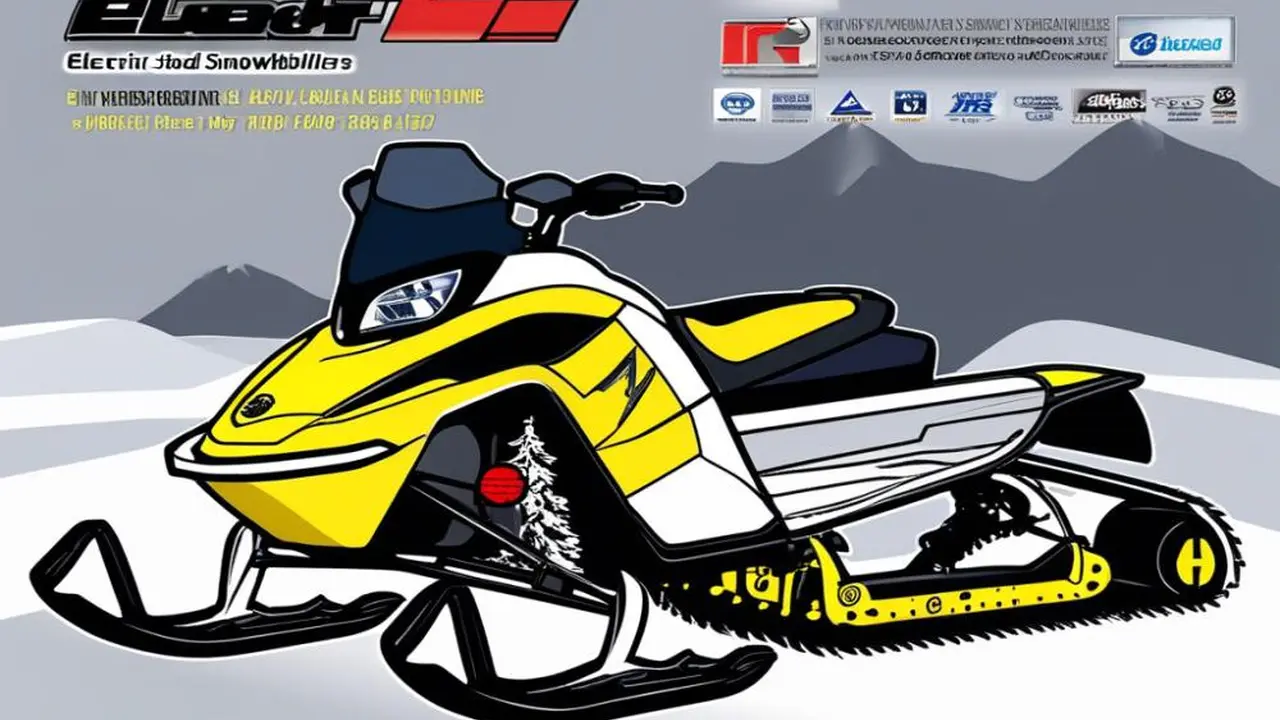
Electric Snowmobiles The Future of Winter Mobility
Why Electric Snowmobiles Are Gaining Traction
Hey snow enthusiasts! Ever thought about hitting the trails without the roar of a gas engine or the smell of exhaust? Electric snowmobiles are no longer just a concept; they're here, and they're rapidly changing the game. For years, snowmobiling has been synonymous with powerful, noisy, and often polluting gasoline engines. But as technology advances and environmental consciousness grows, electric alternatives are stepping into the spotlight. These machines offer a fresh take on winter recreation, promising a quieter, cleaner, and surprisingly powerful ride. It's not just about being eco-friendly; it's about a whole new experience on the snow.
One of the biggest draws of electric snowmobiles is their environmental impact. Traditional snowmobiles contribute to air and noise pollution, which can be a concern for both riders and the natural environments they explore. Electric snowmobiles, on the other hand, produce zero tailpipe emissions, making them a much greener option. This is particularly appealing for those who love spending time in pristine natural settings and want to minimize their footprint. Plus, the reduced noise levels mean you can actually hear the sounds of nature – the crunch of snow, the whisper of the wind, maybe even some wildlife – instead of just your engine. This quiet operation also makes them more enjoyable for riders and less disruptive to local communities and wildlife.
Beyond the environmental benefits, electric snowmobiles offer a unique riding experience. The instant torque from electric motors provides incredibly smooth and responsive acceleration, often surpassing the initial punch of many gasoline models. This can translate to a more controlled and exhilarating ride, especially when navigating challenging terrain. Maintenance is also typically simpler with fewer moving parts and no oil changes or fuel filters to worry about. While the initial cost might be higher for some models, the long-term savings on fuel and maintenance can make them a very attractive option.
Key Features and Innovations in Electric Snowmobile Technology
So, what makes these electric beasts tick? It's all about cutting-edge technology. The heart of any electric vehicle is its battery, and electric snowmobiles are no exception. Manufacturers are constantly pushing the boundaries of battery technology, aiming for higher energy density, faster charging times, and better performance in cold temperatures. Lithium-ion batteries are the standard, but we're seeing innovations like improved thermal management systems to ensure optimal performance even when the mercury drops.
The electric motors themselves are marvels of engineering. Designed to deliver instant torque and high power output, these motors are often compact and highly efficient. Many electric snowmobiles use advanced motor control systems that allow for precise power delivery, offering different riding modes for various conditions – from eco-friendly cruising to high-performance sport mode. This adaptability makes them versatile for different types of riders and terrains.
Beyond the powertrain, electric snowmobiles are integrating smart features that enhance the riding experience. Think digital dashboards with GPS navigation, real-time battery monitoring, and even connectivity features that allow you to track your rides or receive software updates. Some models are incorporating regenerative braking, which helps recharge the battery when you slow down, extending your range. Suspension systems are also being optimized to handle the unique weight distribution and power delivery of electric drivetrains, ensuring a comfortable and stable ride.
Comparing Top Electric Snowmobile Models and Their Performance
Alright, let's talk about some of the cool electric snowmobiles you can actually get your hands on or keep an eye out for. The market is still developing, but a few key players are making waves.
Taiga Motors Orca and Atlas Electric Snowmobiles
Taiga Motors is probably the most well-known name in the electric snowmobile space right now. They've been at the forefront, pushing boundaries with their innovative designs and impressive performance. Their flagship models are the Orca and the Atlas.
- Taiga Orca: While primarily an electric personal watercraft, Taiga has leveraged its electric powertrain technology across its product lines. The Orca's electric motor technology is a testament to their capabilities, offering incredible acceleration and a quiet ride. It's a good indicator of the performance you can expect from their snowmobiles.
- Taiga Atlas: This is their dedicated electric snowmobile, and it's a beast. The Atlas comes in various configurations, including utility, touring, and performance models.
- Performance: The Atlas can deliver up to 180 horsepower (134 kW) and instant torque, allowing it to accelerate from 0 to 60 mph (0 to 96 km/h) in under 3 seconds for the top-tier models. That's seriously fast!
- Range: Depending on the model and riding conditions, the range can vary from 60 to 100+ miles (100 to 160+ km) on a single charge. This is a crucial factor for snowmobilers, and Taiga is continuously working to improve it.
- Charging: They support Level 2 charging, which can get you a significant charge in a few hours, and DC fast charging for quicker top-ups.
- Price: Taiga models typically start around $17,500 USD and can go up to $25,000+ USD for higher-performance or specialized versions.
- Use Case: The Atlas is designed for a wide range of uses, from trail riding and deep snow adventures to utility work. Its quiet operation makes it ideal for exploring nature without disturbing wildlife or other trail users.
Snowmobile Conversion Kits and Smaller Players
Beyond dedicated manufacturers like Taiga, there's a growing interest in electric conversion kits for existing gasoline snowmobiles. Companies like Electric Snowmobile Inc. (ESI) are developing kits that allow you to swap out your gas engine for an electric powertrain. These kits are often more affordable than buying a brand-new electric snowmobile and offer a way to electrify your current ride.
- Electric Snowmobile Inc. (ESI) Conversion Kits:
- Performance: Performance varies greatly depending on the base snowmobile and the specific kit. You might see power outputs ranging from 50 to 100+ horsepower.
- Range: Range is also highly dependent on the battery pack chosen, but typically you're looking at 30-70 miles (50-110 km) for most kits.
- Price: Conversion kits can range from $5,000 to $15,000 USD, not including the cost of the donor snowmobile.
- Use Case: Ideal for riders who want to electrify their existing fleet, or for those who enjoy tinkering and customizing their machines. They are often used for recreational trail riding or light utility work.
Other smaller startups and concept vehicles are also emerging, showcasing different approaches to electric snowmobile design, from compact, lightweight models for casual use to heavy-duty machines for commercial applications. The market is dynamic, and we can expect to see more players and innovations in the coming years.
Charging Infrastructure and Range Anxiety for Electric Snowmobiles
One of the biggest questions people have about electric vehicles, whether cars or snowmobiles, is about charging. How far can you go, and where do you charge up? This is where 'range anxiety' comes in, and it's a valid concern, especially in remote winter environments.
Understanding Range
The range of an electric snowmobile depends on several factors: battery size, ambient temperature (cold weather reduces battery efficiency), terrain (uphill climbing uses more power), riding style (aggressive riding drains the battery faster), and rider weight. Manufacturers provide estimated ranges, but real-world performance can vary. It's similar to how your gas mileage changes based on how you drive your car.
Charging Options
Electric snowmobiles typically support a few charging methods:
- Level 1 Charging (Standard Wall Outlet): This is the slowest method, using a standard 120V household outlet. It's great for overnight charging at home or a cabin, but it can take many hours to fully charge a large battery pack. Think of it like trickle charging your phone.
- Level 2 Charging (240V): This is much faster and uses a 240V outlet, similar to what you'd use for a clothes dryer or electric stove. Many homes and some public charging stations have Level 2. This can charge an electric snowmobile in a few hours, making it practical for day trips or charging between rides.
- DC Fast Charging: This is the quickest way to charge, but it requires specialized DC fast charging stations. These are less common in remote snowmobile areas but are starting to appear in more developed regions or at dedicated snowmobile resorts. DC fast charging can get you a significant charge (e.g., 80%) in under an hour.
Building the Infrastructure
The challenge, of course, is building out the charging infrastructure in snowmobile-friendly areas. This is a work in progress. Some snowmobile clubs and resorts are starting to install Level 2 chargers, recognizing the growing trend. Governments and private companies are also exploring initiatives to create charging networks in popular winter recreation zones. For now, planning your rides around available charging points or carrying a portable generator for emergencies might be necessary for longer excursions.
Maintenance and Longevity of Electric Snowmobiles
One of the unsung heroes of electric vehicles is their reduced maintenance needs. Electric snowmobiles are no different. Without an internal combustion engine, you eliminate a whole host of components that require regular servicing.
What You Don't Need to Do
- No oil changes
- No spark plug replacements
- No fuel filter changes
- No carburetor cleaning or adjustments
- No exhaust system checks
- No belt replacements (for engine belts, though track belts still apply)
What You Still Need to Maintain
While the powertrain is simpler, electric snowmobiles still have components that require attention, just like their gas counterparts:
- Track and Suspension: The track, bogie wheels, shocks, and suspension components still need regular inspection, lubrication, and adjustment. This is crucial for ride quality and safety.
- Brakes: Brake pads and fluid need to be checked and replaced as necessary.
- Skis and Carbides: These wear down and need to be replaced to ensure proper steering and control.
- Electrical System: While the main battery and motor are generally sealed units, wiring, connectors, and lights should be inspected periodically.
- Battery Health: While batteries are designed for longevity, proper charging habits (avoiding extreme discharge or overcharge) and storage (keeping them at a moderate charge level during off-season) will extend their life. Most manufacturers offer warranties on their battery packs.
Overall, the maintenance schedule for an electric snowmobile is significantly lighter and less complex than for a gasoline model. This can lead to lower long-term operating costs and more time on the snow, which is what we all want, right?
The Environmental and Economic Impact of Electric Snowmobiles
Beyond the immediate riding experience, electric snowmobiles have broader implications for the environment and the economy of winter sports.
Environmental Benefits
The most obvious benefit is the reduction in emissions. Zero tailpipe emissions mean cleaner air in sensitive natural areas and reduced contributions to greenhouse gases. This is a huge win for preserving the pristine winter landscapes we love to explore. The reduced noise pollution is also a significant environmental advantage, minimizing disturbance to wildlife and enhancing the tranquility of natural settings for all users.
However, it's important to consider the full lifecycle. The environmental impact of battery production and disposal is a valid concern. Manufacturers are working on more sustainable battery chemistries and recycling programs to mitigate this. As renewable energy sources become more prevalent, the overall carbon footprint of charging electric snowmobiles will also decrease, making them even greener.
Economic Impact
From an economic standpoint, electric snowmobiles can offer long-term savings for owners due to lower fuel costs and reduced maintenance. This can make snowmobiling more accessible and affordable over time. For businesses, the quiet operation of electric snowmobiles could open up new opportunities, such as guided tours in noise-sensitive areas or closer to residential zones. It could also attract a new demographic of riders who are environmentally conscious or prefer a quieter experience.
The shift to electric also drives innovation and job creation in the green technology sector. As demand grows, so too will the need for skilled workers in battery manufacturing, motor development, charging infrastructure installation, and specialized maintenance.
The Future Outlook for Electric Snowmobiling
So, what's next for electric snowmobiles? The future looks incredibly bright and full of potential. We're still in the early stages of this transition, but the momentum is building.
Continued Advancements
Expect to see continuous improvements in battery technology, leading to longer ranges, faster charging, and better cold-weather performance. Motors will become even more efficient and powerful. We'll likely see more integration of smart features, perhaps even autonomous capabilities for certain applications, though that's a bit further down the line for recreational use.
Expanding Infrastructure
As more electric snowmobiles hit the trails, the charging infrastructure will inevitably expand. We'll see more charging stations at trailheads, resorts, and even along popular routes. This will alleviate range anxiety and make electric snowmobiling a more practical option for longer trips.
New Models and Market Growth
More manufacturers, both established and new startups, are expected to enter the electric snowmobile market. This increased competition will drive down prices, offer more variety in models and features, and accelerate innovation. We might see specialized electric snowmobiles for different niches, from ultra-lightweight backcountry models to heavy-duty utility machines.
Regulatory and Policy Support
Governments and land management agencies may also play a role, potentially offering incentives for electric snowmobile adoption or even creating electric-only trails in certain sensitive areas. This kind of support can significantly boost the growth of the electric snowmobile market.
Ultimately, electric snowmobiles are poised to revolutionize winter mobility. They offer a compelling blend of performance, environmental responsibility, and a unique riding experience. While there are still challenges to overcome, particularly with infrastructure and initial cost, the trajectory is clear: the future of snowmobiling is electric, and it's going to be a quiet, powerful, and exhilarating ride.
:max_bytes(150000):strip_icc()/277019-baked-pork-chops-with-cream-of-mushroom-soup-DDMFS-beauty-4x3-BG-7505-5762b731cf30447d9cbbbbbf387beafa.jpg)