Skiing in New Zealand South Island Your Ultimate Guide
Hey there, fellow snow enthusiasts! Ever dreamt of hitting the slopes with breathtaking views of majestic mountains, crystal-clear lakes, and even the ocean in the distance? Well, let me tell you, skiing in New Zealand's South Island is exactly that and so much more. It's a truly unique winter adventure that combines world-class skiing with some of the most stunning landscapes on Earth. Forget the crowded resorts of the Northern Hemisphere for a bit and imagine carving fresh powder in a place that feels like it's straight out of a postcard. We're talking about a winter wonderland that offers something for every type of skier or snowboarder, from absolute beginners to seasoned pros looking for their next big thrill. So, grab a cuppa, get comfy, and let's dive into everything you need to know about planning your epic ski trip to the South Island.
Why New Zealand's South Island for Your Ski Trip
You might be wondering, with so many amazing ski destinations out there, what makes New Zealand's South Island stand out? First off, it's the sheer beauty. The Southern Alps provide an incredible backdrop to every run, making for some truly unforgettable moments. Then there's the variety of terrain. Whether you're into gentle groomers, challenging steeps, or epic backcountry adventures, you'll find it here. Plus, the ski season runs from June to October, which is perfect if you're looking for a summer escape from the Northern Hemisphere heat. It's also generally less crowded than some of the more famous global resorts, meaning more fresh tracks for you! And let's not forget the unique Kiwi culture and hospitality. You'll find friendly faces, delicious food, and a laid-back vibe that makes the whole experience even better. It's not just about the skiing; it's about the entire adventure, from the moment you land to the last run of the day.
Top Ski Resorts in New Zealand South Island Where to Ski and Snowboard
The South Island boasts several fantastic ski resorts, each with its own unique charm and offerings. Let's break down some of the best ones so you can pick the perfect spot for your winter getaway.
Queenstown Ski Fields Coronet Peak and The Remarkables
Queenstown is often dubbed the 'Adventure Capital of the World,' and for good reason. It's home to two incredible ski fields: Coronet Peak and The Remarkables. Both are super accessible from Queenstown, making them popular choices for visitors.
Coronet Peak Skiing for All Levels
Coronet Peak is known for its diverse terrain and being incredibly family-friendly. It's just a short 20-minute drive from Queenstown, which is super convenient. This mountain is fantastic for all skill levels, with a good mix of beginner, intermediate, and advanced runs. They've got excellent snowmaking facilities, so you're pretty much guaranteed good conditions throughout the season. Plus, Coronet Peak offers night skiing on Wednesdays, Fridays, and Saturdays, which is an absolute blast. Imagine carving under the stars with the lights of Queenstown twinkling below – it's magical! For beginners, the Coronet Express chairlift provides access to wide, gentle slopes perfect for learning. Intermediate skiers will love the M1 and Exchange runs, while advanced riders can tackle the black runs like Greengates or the challenging off-piste areas. They also have a great ski school, rental shops, and plenty of dining options on the mountain. Lift passes typically range from NZD 120-160 per day, with multi-day passes offering better value. A 3-day pass might cost around NZD 350-450. Rental equipment for skis/snowboard, boots, and poles usually runs about NZD 50-70 per day.
The Remarkables Snowboarding and Freeride Paradise
Just a 45-minute drive from Queenstown, The Remarkables lives up to its name with truly spectacular views and a more laid-back, freeride vibe. It's particularly popular with snowboarders and freestyle skiers thanks to its excellent terrain parks. The Remarkables offers a good variety of runs, from wide-open beginner slopes to challenging chutes and bowls. The sun-drenched north-facing slopes mean you often get softer snow conditions. For beginners, the magic carpet area and the Alta chairlift provide gentle learning zones. Intermediate riders will enjoy the Curvey Basin and Sugar Bowl areas. Advanced skiers and snowboarders will find plenty of thrills in the Homeward Bound and Shadow Basin areas, with natural half-pipes and cliff drops. The terrain parks here are top-notch, with features for all levels, from small jumps to pro-level kickers. Like Coronet Peak, The Remarkables also has a ski school, rentals, and dining. Lift pass prices are similar to Coronet Peak, as they are often sold as a combined pass for both mountains. A single day pass is around NZD 120-160, and a 3-day pass around NZD 350-450. Rental costs are also comparable.
Wanaka Ski Fields Cardrona Alpine Resort and Treble Cone
If you're heading a bit further north from Queenstown, you'll hit Wanaka, another fantastic base for your ski adventure. Wanaka offers a slightly more relaxed atmosphere than Queenstown but still provides access to two world-class ski fields.
Cardrona Alpine Resort Family Friendly and Freestyle Hub
Cardrona Alpine Resort is about an hour's drive from Queenstown or a 35-minute drive from Wanaka. It's renowned for being incredibly family-friendly and having some of the best terrain parks in the Southern Hemisphere. Seriously, if you're into freestyle, this is your spot. Cardrona hosts international competitions and has a huge variety of jumps, rails, and half-pipes for all abilities. But don't let that intimidate you if you're not a park rat! Cardrona also has extensive beginner and intermediate terrain, with wide, gentle slopes perfect for learning and progressing. The resort is well-laid out, making it easy to navigate. For beginners, the learner area with magic carpets and the McDougall's Chondola (a mix of gondola cabins and chairlifts) is perfect. Intermediate skiers will love the Captain's Express and Whitestar Express areas. Advanced riders can explore the Arcadia Chutes or the challenging Pringles area. Cardrona also offers excellent childcare facilities, a ski school, and a range of dining options. A day pass typically costs around NZD 130-170, with multi-day passes offering savings. A 3-day pass might be around NZD 370-480. Rental equipment is similar to Queenstown, around NZD 50-70 per day.
Treble Cone Challenging Terrain and Epic Views
Treble Cone, often called 'TC' by the locals, is about a 30-minute drive from Wanaka and is famous for its challenging terrain and incredible panoramic views of Lake Wanaka and the surrounding mountains. This resort is definitely geared more towards intermediate and advanced skiers and snowboarders, with a high percentage of black and expert runs. If you love steep groomers, natural half-pipes, and wide-open powder bowls, Treble Cone is your playground. It's not the best choice for absolute beginners, but if you've got some experience under your belt, you'll have an absolute blast. The Home Basin and Saddle Basin offer a fantastic mix of challenging runs and off-piste opportunities. The resort also has a great ski school for those looking to refine their skills on steeper terrain. While it's known for its advanced runs, there are still some good intermediate options, especially around the Home Basin Express. A day pass for Treble Cone is usually around NZD 130-170, with multi-day options available. Rental costs are comparable to other resorts.
Other Notable Ski Areas Mt Hutt and Ohau Snow Fields
While Queenstown and Wanaka are the main hubs, there are a couple of other gems worth considering.
Mt Hutt Canterbury's Big Mountain
Located in the Canterbury region, about 1.5 hours from Christchurch, Mt Hutt is a large, high-altitude resort known for its reliable snow and long season. It's often voted New Zealand's best ski resort. Mt Hutt offers a great mix of terrain for all abilities, from wide-open beginner slopes to challenging expert runs and excellent off-piste opportunities. It's a fantastic option if you're flying into Christchurch. The resort has excellent facilities, including a dedicated beginner area, a terrain park, and a good ski school. A day pass is typically around NZD 120-160. Rental equipment is similar to other resorts.
Ohau Snow Fields Hidden Gem
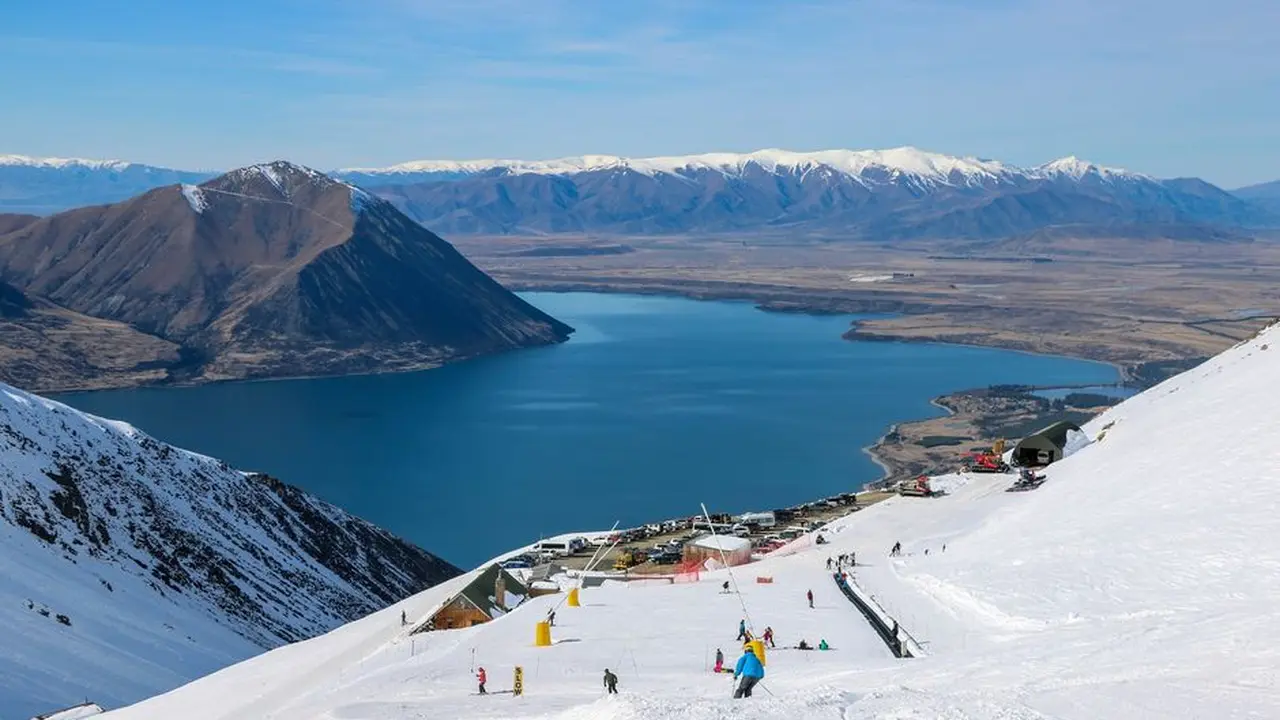
Ohau Snow Fields is a smaller, more intimate resort located between Queenstown and Christchurch, near Lake Ohau. It's a bit off the beaten path but offers incredible views, uncrowded slopes, and a truly authentic Kiwi ski experience. It's a great option if you're looking to escape the crowds and enjoy some pristine powder. Ohau has a good mix of intermediate and advanced terrain, with some fantastic off-piste opportunities. It's known for its friendly atmosphere and stunning scenery. A day pass is usually a bit cheaper, around NZD 100-130. Rental equipment is also slightly less expensive, around NZD 40-60 per day.
Essential Gear for Skiing in New Zealand What to Pack and Buy
Alright, let's talk gear! Having the right equipment can make or break your ski trip. While you can rent most things at the resorts, sometimes having your own gear, especially key items, can enhance your experience. Here's a breakdown of what you'll need and some product recommendations.
Skis or Snowboard Choosing Your Ride
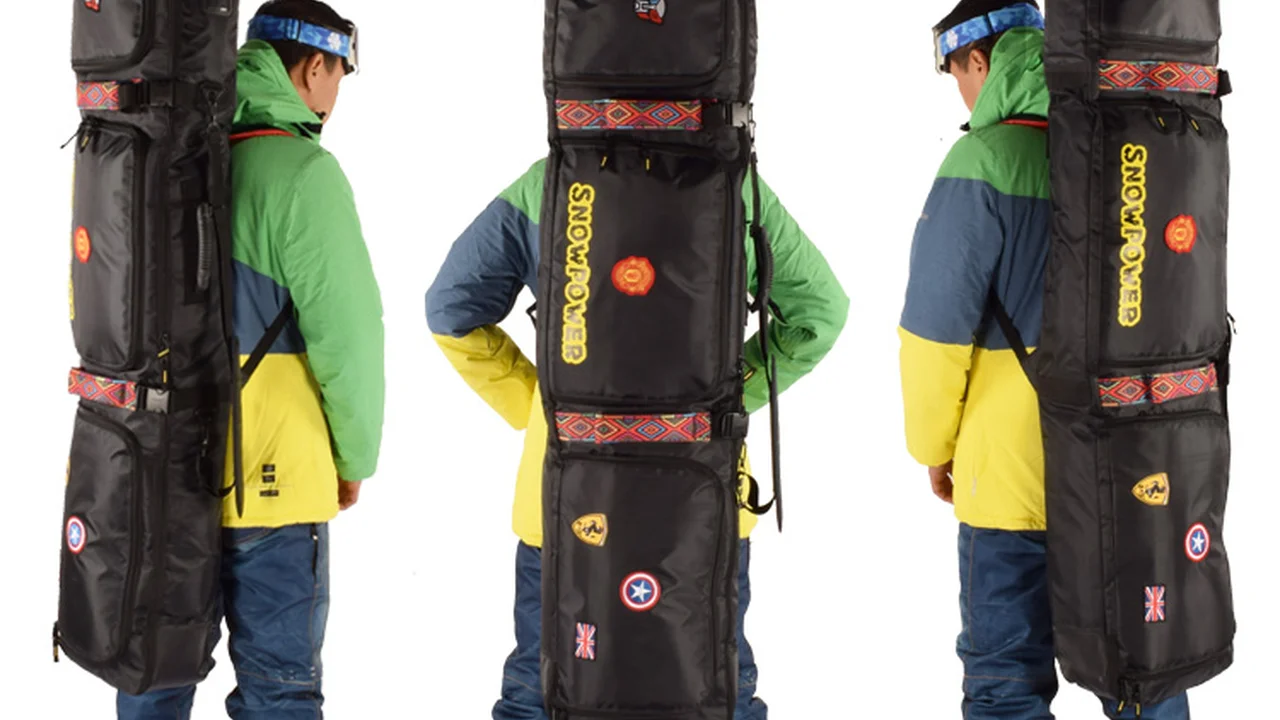
If you're a beginner or only ski occasionally, renting is probably your best bet. Resorts offer a range of equipment suitable for different skill levels. However, if you're an avid skier or snowboarder, bringing your own or investing in a good pair is worthwhile.
All-Mountain Skis Versatility on the Slopes
For New Zealand's varied conditions, an all-mountain ski is a fantastic choice. They perform well on groomed runs, in light powder, and even through some chopped-up snow. Look for something with a waist width between 85-100mm.
- Product Recommendation: Rossignol Experience 86 Ti
- Use Case: Excellent for intermediate to advanced skiers who want a versatile ski that handles groomed runs with precision but can also venture into softer snow.
- Comparison: It's more forgiving than a dedicated carving ski but more stable than a pure powder ski. It's a great all-rounder.
- Price: Approximately USD 600-800 (skis only).
- Product Recommendation: Salomon QST 92
- Use Case: A fantastic option for advanced intermediates to experts looking for a playful yet stable ski that excels in varied conditions, including light powder and bumps.
- Comparison: Slightly wider than the Rossignol, offering a bit more float in softer snow while still being nimble on groomers.
- Price: Approximately USD 550-750 (skis only).
All-Mountain Snowboards One Board for Everything
Similar to skis, an all-mountain snowboard is ideal for New Zealand's resorts. They offer a good balance of flex and stability for cruising, carving, and even hitting some park features.
- Product Recommendation: Burton Custom
- Use Case: A legendary board suitable for intermediate to expert riders who want a versatile, responsive board for all-mountain riding, including carving, powder, and some park.
- Comparison: Known for its consistent performance and adaptability across various terrains. It's a benchmark all-mountain board.
- Price: Approximately USD 550-700 (board only).
- Product Recommendation: Lib Tech Skate Banana
- Use Case: Great for intermediate riders looking for a playful, forgiving board that excels in freestyle and all-mountain cruising. Its rocker/camber profile makes it catch-free.
- Comparison: More playful and forgiving than the Burton Custom, making it easier to butter and press, but still capable on groomers.
- Price: Approximately USD 500-650 (board only).
Ski Boots and Snowboard Boots Comfort and Performance
This is arguably the most important piece of equipment. Ill-fitting boots can ruin your day. If you're buying, consider getting them professionally fitted.
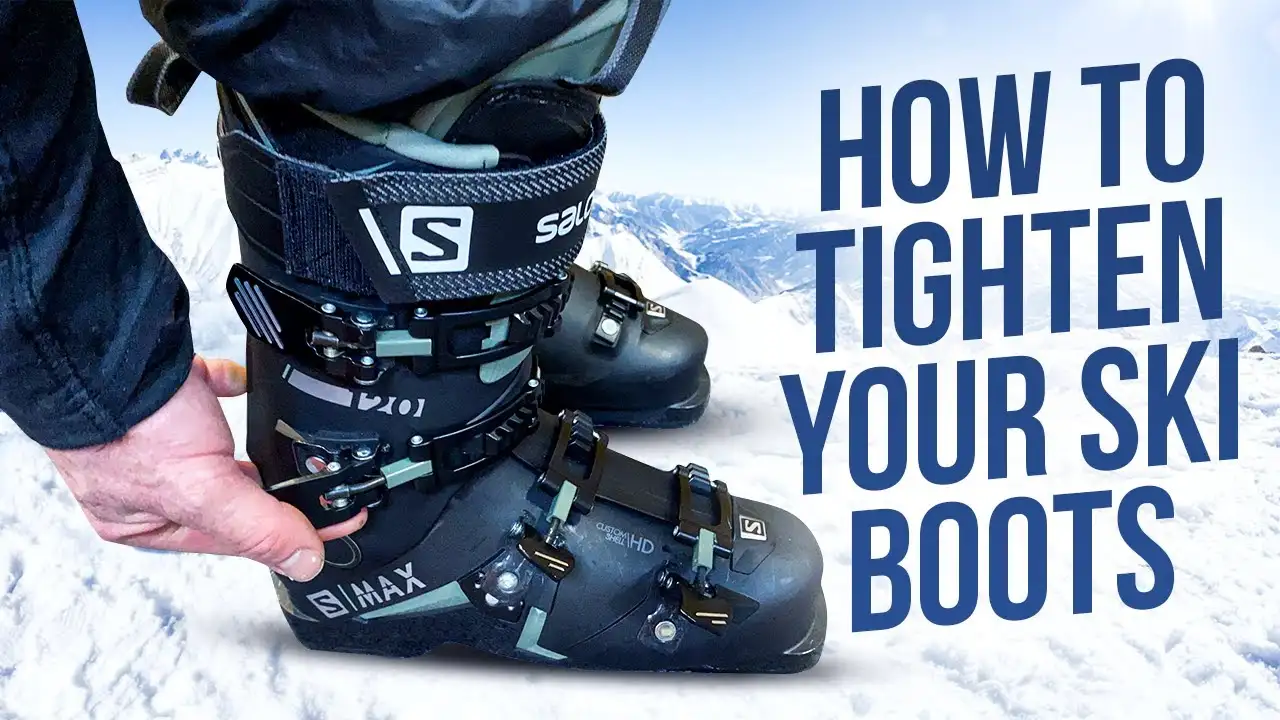
- Product Recommendation (Ski Boots): Atomic Hawx Prime 100
- Use Case: A popular choice for intermediate to advanced skiers with a medium foot width. Offers a good balance of comfort and performance.
- Comparison: Known for its comfortable fit out of the box, making it a great option for long days on the mountain.
- Price: Approximately USD 400-550.
- Product Recommendation (Snowboard Boots): ThirtyTwo Lashed
- Use Case: A versatile, medium-flex boot suitable for all-mountain riding and freestyle. Popular among intermediate to advanced riders.
- Comparison: Offers a good balance of support and flexibility, making it comfortable for various riding styles.
- Price: Approximately USD 280-350.
Outerwear Jackets and Pants Stay Dry and Warm
Layering is key in New Zealand's variable weather. You'll need a good waterproof and breathable outer shell.
- Product Recommendation (Jacket): Arc'teryx Rush Jacket
- Use Case: High-performance GORE-TEX Pro shell for serious skiers and snowboarders. Excellent for harsh weather conditions and backcountry adventures.
- Comparison: Top-tier weather protection and durability, but comes at a premium price.
- Price: Approximately USD 600-800.
- Product Recommendation (Pants): Patagonia Powder Bowl Pants
- Use Case: Durable and waterproof GORE-TEX pants suitable for resort skiing and snowboarding. Good for all-day comfort.
- Comparison: A reliable and well-regarded option that balances performance with sustainability.
- Price: Approximately USD 350-450.
Base Layers and Mid-Layers The Foundation of Warmth
Merino wool or synthetic base layers are essential for wicking moisture and keeping you warm. A fleece or insulated jacket works well as a mid-layer.
- Product Recommendation (Base Layer): Smartwool Merino 250 Base Layer Crew
- Use Case: Excellent for cold conditions, providing warmth, breathability, and odor resistance.
- Comparison: Superior to synthetic options for odor control and natural temperature regulation.
- Price: Approximately USD 100-120 (top or bottom).
- Product Recommendation (Mid-Layer): Patagonia Better Sweater Fleece Jacket
- Use Case: A versatile and warm fleece jacket perfect as a mid-layer on colder days or as a standalone jacket in milder conditions.
- Comparison: A classic, durable fleece that provides reliable warmth without excessive bulk.
- Price: Approximately USD 120-150.
Gloves or Mittens Hand Protection
Keep those digits warm and dry!
- Product Recommendation: Hestra Army Leather Heli Ski Mittens
- Use Case: Extremely warm and durable mittens, ideal for very cold conditions or those prone to cold hands.
- Comparison: Offers superior warmth compared to gloves, with excellent waterproofing and dexterity for mittens.
- Price: Approximately USD 150-200.
Helmet and Goggles Safety First
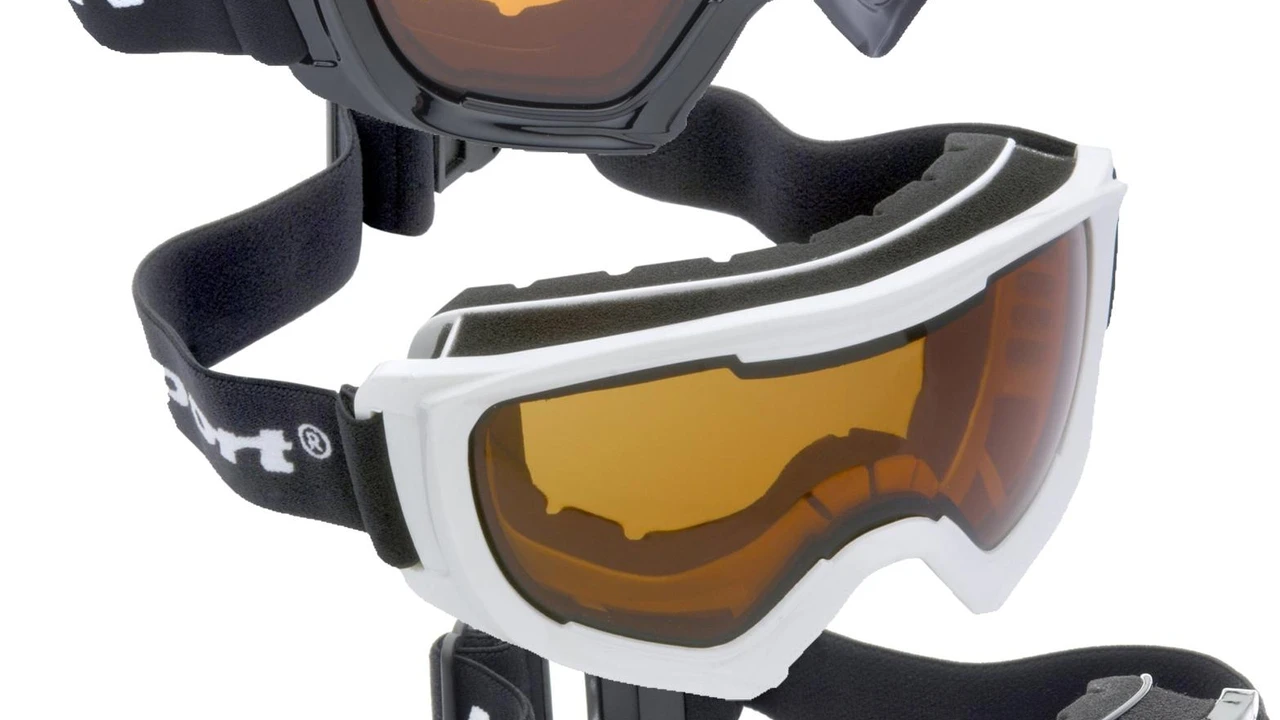
A helmet is non-negotiable for safety. Goggles protect your eyes from sun, wind, and snow.
- Product Recommendation (Helmet): Smith Vantage MIPS Helmet
- Use Case: A high-performance helmet with MIPS technology for enhanced rotational impact protection. Excellent ventilation and comfort.
- Comparison: Offers superior safety features and comfort compared to basic helmets.
- Price: Approximately USD 200-280.
- Product Recommendation (Goggles): Oakley Flight Deck Goggles
- Use Case: Wide field of view and Prizm lens technology for enhanced contrast and clarity in various light conditions.
- Comparison: Prizm lenses are highly regarded for their ability to make details pop on the snow.
- Price: Approximately USD 180-250.
Other Essentials Don't Forget These
- Neck Gaiter or Balaclava: For warmth and protection from wind.
- Ski Socks: Merino wool or synthetic, avoid cotton!
- Sunscreen and Lip Balm with SPF: The sun at altitude is intense, even on cloudy days.
- Small Backpack: For water, snacks, extra layers.
- Hand Warmers/Toe Warmers: If you get cold easily.
Getting Around New Zealand South Island Transportation Tips
Once you've landed, you'll need to figure out how to get to the slopes and explore the region. Here are your main options:
Rental Cars Freedom to Explore
Renting a car is a popular choice, especially if you want the flexibility to explore beyond the ski fields. Roads to the ski resorts can be steep and winding, and often require snow chains, which you can rent with your car or from local shops. Make sure your rental agreement allows for driving on unsealed roads if you plan to visit some of the more remote areas. Prices for rental cars vary widely depending on the season and type of vehicle, but expect to pay around NZD 50-100+ per day for a standard car. An SUV with 4WD will be more, around NZD 100-180+ per day.
Ski Buses Convenient and Stress-Free
All major ski resorts offer dedicated ski bus services from nearby towns like Queenstown and Wanaka. This is a super convenient option, as you don't have to worry about driving on icy roads, parking, or fitting chains. Buses typically run multiple times a day. A return bus ticket from Queenstown to Coronet Peak or The Remarkables is usually around NZD 25-35. From Wanaka to Cardrona or Treble Cone, it's similar, around NZD 20-30.
Shuttles and Taxis Private Options
For a more private or flexible option, you can book private shuttles or taxis. This can be a good choice for groups. Prices will be significantly higher than public ski buses, often starting from NZD 80-150+ for a one-way trip depending on distance and number of people.
Accommodation Options Where to Stay
The South Island offers a wide range of accommodation to suit every budget and preference.
Hotels and Resorts Comfort and Amenities
Queenstown and Wanaka have numerous hotels, from luxury resorts to more budget-friendly options. Many offer ski storage, drying rooms, and shuttle services to the mountains. Expect hotel prices to range from NZD 150-500+ per night, depending on the star rating and location.
Apartments and Holiday Homes Self-Catering and Space
If you're traveling with family or a group, renting an apartment or holiday home can be a great option. It gives you more space, a kitchen for self-catering, and often laundry facilities. Websites like Airbnb and Bookabach are popular for finding these. Prices vary greatly but can be very cost-effective for groups, from NZD 200-800+ per night.
Hostels and Backpackers Budget-Friendly
For budget travelers, Queenstown and Wanaka have excellent hostels offering dorm beds and private rooms. They're a great way to meet other travelers and often organize social events. Dorm beds typically cost NZD 30-60 per night, while private rooms can be NZD 80-150.
Beyond the Slopes Activities and Attractions
New Zealand's South Island isn't just about skiing; there's a whole world of adventure and relaxation waiting for you off the mountain.
Adventure Activities Get Your Adrenaline Pumping
- Bungy Jumping: Queenstown is the birthplace of commercial bungy jumping. Take the plunge at the Kawarau Bridge or Nevis Bungy.
- Jet Boating: Experience thrilling high-speed rides through narrow canyons on the Shotover River.
- Skydiving: See the stunning landscapes from above with a tandem skydive.
- Ziplining: Soar through the trees with incredible views.
Relaxation and Scenery Unwind and Explore
- Lake Cruises: Enjoy a scenic cruise on Lake Wakatipu in Queenstown or Lake Wanaka.
- Hiking and Walking: Even in winter, many lower-altitude trails are accessible, offering stunning views.
- Wine Tasting: The Central Otago region is famous for its Pinot Noir. Visit local vineyards for a tasting.
- Onsen Hot Pools: Relax in private cedar-lined hot pools overlooking the Shotover River in Queenstown. A perfect way to soothe tired muscles after a day on the slopes.
- Milford Sound Day Trip: While a bit of a drive, a day trip to Milford Sound is an absolute must-do. The fiord is breathtaking, especially with snow-capped peaks.
Food and Drink Fueling Your Adventure
New Zealand has a fantastic food scene, and the South Island is no exception. You'll find everything from casual cafes to fine dining.
Local Delicacies Must-Try Foods
- Meat Pie: A Kiwi staple, perfect for a quick and hearty lunch.
- Fish and Chips: Freshly caught and delicious, especially by the coast.
- Hāngi: A traditional Māori method of cooking food in an earth oven. You might find this on cultural tours.
- Pavlova: A classic dessert, light and airy meringue with cream and fruit.
Dining Out Restaurants and Cafes
Queenstown and Wanaka offer a huge array of dining options. You'll find plenty of cafes for your morning coffee and breakfast, casual eateries for lunch, and a diverse range of restaurants for dinner, including international cuisine, modern New Zealand fare, and steakhouses. Don't forget to try some local craft beers or a glass of Central Otago Pinot Noir.
Tips for a Smooth Ski Trip in New Zealand Practical Advice
To make sure your trip goes off without a hitch, here are a few extra tips:
Book in Advance Especially During Peak Season
If you're traveling during the New Zealand school holidays (July and September) or around public holidays, make sure to book your flights, accommodation, and even lift passes well in advance. Things can get booked up quickly.
Be Prepared for All Weather Conditions
New Zealand weather can be notoriously changeable. One minute it's sunny, the next it's snowing. Pack layers and be ready for anything. Check the mountain forecasts daily.
Consider a Multi-Resort Pass
If you plan to ski at multiple resorts, look into multi-resort passes like the NZSki Pass (covers Coronet Peak, The Remarkables, and Mt Hutt) or the Ikon Pass/Mountain Collective Pass if you have one from overseas, as some NZ resorts are included.
Learn Some Kiwi Slang
It's not essential, but learning a few local phrases can be fun! 'Kia Ora' (hello), 'No worries' (you're welcome/no problem), 'Sweet as' (awesome), 'Chur' (thanks/cheers). The locals are super friendly and will appreciate the effort.
Stay Hydrated and Sun Protected
The altitude and dry air can lead to dehydration. Drink plenty of water. And as mentioned, the sun's UV rays are strong, so apply sunscreen regularly, even on cloudy days, and wear good quality sunglasses or goggles.
Respect the Environment
New Zealand prides itself on its pristine natural environment. Please stick to marked trails, dispose of your rubbish properly, and leave no trace.
So there you have it! Skiing in New Zealand's South Island is an experience like no other. From the incredible scenery and diverse terrain to the friendly locals and thrilling off-slope activities, it's a winter adventure that will leave you with memories to last a lifetime. Whether you're a seasoned pro or just starting out, you'll find your perfect slice of snowy paradise here. Get ready to shred some Southern Hemisphere powder!
:max_bytes(150000):strip_icc()/277019-baked-pork-chops-with-cream-of-mushroom-soup-DDMFS-beauty-4x3-BG-7505-5762b731cf30447d9cbbbbbf387beafa.jpg)