Smart Helmets for Skiing Integrated Audio Communication and Safety
Hey there, fellow snow enthusiasts! Let's talk about something that's rapidly changing the game on the slopes: smart helmets. Gone are the days when a helmet was just a piece of foam and plastic to protect your noggin. Today, smart helmets are packed with technology, offering everything from integrated audio and communication to advanced safety features. It's all about staying connected, entertained, and most importantly, safe while you're carving up the mountain. Whether you're a seasoned pro or just starting out, a smart helmet can seriously upgrade your skiing or snowboarding experience. Let's dive into what makes these helmets so cool and why you might want one.
Why Smart Helmets are a Game Changer for Skiers and Snowboarders
So, what's the big deal with smart helmets? Well, imagine being able to listen to your favorite tunes without fumbling with earbuds that fall out or get tangled. Or how about chatting with your buddies on the chairlift without shouting over the wind? Smart helmets make all this possible and more. They integrate seamlessly with your devices, offering a hands-free experience that keeps you focused on the snow. Beyond convenience, many smart helmets also come with enhanced safety features, like crash detection and emergency alerts, giving you and your loved ones extra peace of mind. It's about blending technology with your passion for winter sports, making every run more enjoyable and secure.
Integrated Audio Systems in Ski Helmets Your Personal Soundtrack on the Slopes
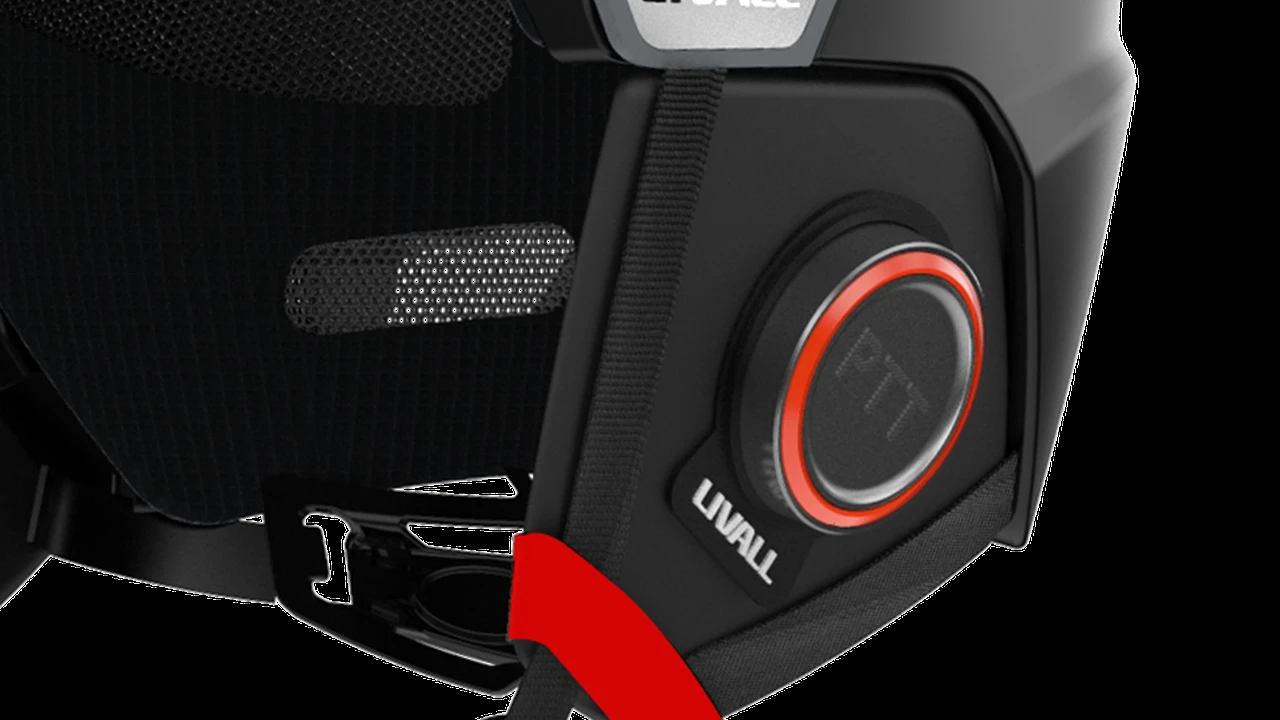
One of the most popular features in smart helmets is the integrated audio system. Forget about uncomfortable headphones or earbuds that get lost in the snow. Smart helmets often have speakers built directly into the ear pads, delivering crisp, clear sound right to your ears. This means you can enjoy your pump-up playlist, listen to podcasts, or even take calls without compromising your awareness of your surroundings. The sound quality varies between models, but many offer surprisingly rich audio that can make your solo runs feel like a private concert. Plus, most systems are designed to be easily controlled with gloves on, so you can skip tracks or adjust volume without missing a beat.
Top Picks for Integrated Audio Ski Helmets
Outdoor Tech Chips 3.0 Wireless Helmet Audio
These aren't technically a helmet, but they are designed to fit into almost any audio-compatible helmet. They are incredibly popular for their ease of use and decent sound quality. They are Bluetooth-enabled, allowing you to stream music and take calls. The large buttons are easy to operate with gloves. They offer about 10 hours of playtime on a single charge. Price: Around $60-$80. Use Case: Perfect for those who already have a favorite helmet but want to add audio capabilities without buying a whole new helmet. They are versatile and work with many brands like Giro, Smith, and Anon.
Smith Vantage MIPS with Aleck 006 Audio Kit
The Smith Vantage is a top-tier helmet known for its safety features (MIPS) and ventilation. When paired with the Aleck 006 audio kit (often sold separately or as a bundle), it becomes a fantastic smart helmet. The Aleck 006 offers premium audio and a push-to-talk communication system for group chats. It boasts excellent sound clarity and a robust connection. Price: Helmet around $270-$300, Aleck 006 around $130-$150. Use Case: Ideal for serious skiers and snowboarders who prioritize both safety and high-quality audio/communication. Great for groups who want to stay in touch on the mountain.
Giro Jackson MIPS with Outdoor Tech Chips 2.0
The Giro Jackson MIPS is a sleek, low-profile helmet with MIPS technology for enhanced safety. It's designed to be compatible with Outdoor Tech audio systems. The combination provides a comfortable fit, good ventilation, and reliable audio. Price: Helmet around $180-$200, Chips 2.0 around $50-$70. Use Case: A solid mid-range option for those looking for a balance of style, safety, and integrated audio without breaking the bank. Good for all-mountain riding.
Seamless Communication Systems for Group Skiing and Snowboarding
Skiing or snowboarding with friends is awesome, but keeping track of everyone can be a challenge. That's where integrated communication systems come in. Many smart helmets offer walkie-talkie-like functionality, allowing you to chat with your group in real-time. This is super handy for coordinating meeting spots, warning about hazards, or just sharing a laugh on the lift. Some systems use Bluetooth to connect to your phone and then leverage cellular data for communication, while others use proprietary mesh networks for direct helmet-to-helmet communication, which can be more reliable in areas with spotty cell service. The ability to communicate hands-free significantly enhances the group experience and safety.
Leading Communication Enabled Ski Helmets
Sena Outrush R Smart Helmet
While Sena is more known for motorcycle helmets, their Outrush R is a versatile smart helmet that can be adapted for winter sports. It features an integrated Bluetooth intercom system, allowing up to 4 riders to communicate over a range of up to 900 meters (0.5 miles). It also has built-in speakers and a microphone for music and phone calls. The helmet itself is well-ventilated and comfortable. Price: Around $200-$250. Use Case: Excellent for small groups who want reliable, direct communication without relying on cell service. Good for resort skiing and some backcountry touring where range is sufficient.
Cardo Packtalk Outdoor Communication System (Helmet Mountable)
Similar to the Outdoor Tech Chips, the Cardo Packtalk Outdoor is a communication system that can be mounted to almost any ski helmet. It uses Cardo's Dynamic Mesh Communication (DMC) technology, which allows for a self-healing network of up to 15 riders over a range of up to 1.6 km (1 mile) between two riders, extending further with more riders. It also has excellent audio quality for music and calls. Price: Around $250-$300. Use Case: The ultimate solution for large groups or those who need the most robust and long-range communication. Perfect for guiding, ski patrols, or large friend groups exploring vast terrain.
Aleck 006 (as mentioned above)
The Aleck 006 also offers a push-to-talk communication feature, making it a dual-purpose device for both audio and group chat. Its simplicity and integration with many helmets make it a strong contender for casual group communication. Price: Around $130-$150. Use Case: Great for smaller groups or families who want an easy-to-use communication system for general resort use.
Advanced Safety Features in Smart Ski Helmets Crash Detection and Emergency Alerts
Beyond entertainment and communication, smart helmets are stepping up the safety game. Some models now include crash detection technology. This means if you take a hard fall, the helmet can automatically detect the impact and send an alert to pre-selected emergency contacts with your GPS location. This is a huge leap forward for solo riders or those exploring less-trafficked areas. It provides an invaluable layer of security, knowing that help can be dispatched even if you're unable to call for it yourself. These features often work in conjunction with a smartphone app, so make sure your phone is charged!
Smart Helmets with Enhanced Safety Protocols
POC Obex Spin Communication (with optional POC Aid App)
The POC Obex Spin is a premium helmet known for its SPIN (Shearing Pad Inside) technology, which helps reduce rotational forces during an impact. While the communication system is integrated, the crash detection and emergency alert features are typically accessed through the optional POC Aid App on your smartphone. This app can detect a crash and send an alert with your GPS location to emergency contacts. Price: Around $250-$300. Use Case: For riders who prioritize top-tier safety features and are willing to use a companion app for emergency alerts. Excellent for all types of skiing and snowboarding, especially in varied terrain.
UNIT 1 Faro Smart Helmet (Snow Edition)
The Faro helmet from UNIT 1 is designed with urban commuting in mind but has a 'Snow Edition' that makes it suitable for winter sports. It features integrated lights for visibility, MIPS technology, and a robust crash detection system that automatically alerts emergency contacts. It also has integrated audio and communication. Price: Around $250-$300. Use Case: Ideal for those who want maximum visibility and a reliable crash detection system, especially for night skiing or low-light conditions. Its urban roots mean it's also stylish.
Coros Omni Smart Cycling Helmet (Adaptable for Snow)
While primarily a cycling helmet, the Coros Omni has bone conduction audio and a robust crash detection system that can be adapted for snow sports with proper layering. The bone conduction technology leaves your ears open to ambient sounds, which is a significant safety advantage. The crash detection sends an alert to emergency contacts. Price: Around $150-$200. Use Case: A unique option for those who prefer bone conduction audio for maximum situational awareness. Requires careful consideration for winter use, but the safety features are strong.
Comparing Smart Helmet Features and Value
When you're looking at smart helmets, it's not just about the price tag. You need to consider what features are most important to you. Do you want crystal-clear audio for your music? Is staying in touch with your group a priority? Or is the peace of mind from crash detection what you're after? Some helmets excel in one area, while others offer a more balanced package. Think about your typical skiing or snowboarding day. Are you usually solo, or always with a crew? Do you push your limits in challenging terrain, or stick to groomed runs? Your answers will help you narrow down the best fit for your needs and budget. Remember, the best smart helmet is the one that enhances your experience and keeps you safe, without getting in the way of your fun.
Feature Comparison Table
| Product | Integrated Audio | Communication | Crash Detection | Price Range (USD) | Key Differentiator |
|---|---|---|---|---|---|
| Outdoor Tech Chips 3.0 | Yes (Insertable) | Phone-based calls | No | $60-$80 | Universal fit for most audio-ready helmets |
| Smith Vantage MIPS + Aleck 006 | Yes | Yes (Push-to-talk) | No (Helmet has MIPS) | $400-$450 (Bundle) | Premium helmet safety with high-quality audio/comm |
| Giro Jackson MIPS + Outdoor Tech Chips 2.0 | Yes | Phone-based calls | No (Helmet has MIPS) | $230-$270 (Bundle) | Stylish, comfortable, good value for audio |
| Sena Outrush R Smart Helmet | Yes | Yes (Bluetooth Intercom) | No | $200-$250 | Integrated helmet with direct intercom for small groups |
| Cardo Packtalk Outdoor | Yes (Mountable) | Yes (DMC Mesh) | No | $250-$300 | Best-in-class mesh communication for large groups |
| POC Obex Spin Communication | Yes | Yes (Phone-based) | Yes (via POC Aid App) | $250-$300 | Top-tier safety (SPIN) with app-based crash detection |
| UNIT 1 Faro Smart Helmet (Snow Edition) | Yes | Yes (Phone-based) | Yes | $250-$300 | Integrated lights for visibility, robust crash detection |
| Coros Omni Smart Cycling Helmet | Yes (Bone Conduction) | Yes (Phone-based) | Yes | $150-$200 | Bone conduction audio for situational awareness |
Installation and Setup Tips for Your Smart Ski Helmet
Getting your smart helmet ready for the slopes is usually pretty straightforward. If you're getting an all-in-one helmet, it's often just a matter of charging it up and pairing it with your phone via Bluetooth. For insertable audio systems like the Outdoor Tech Chips or mountable communication units like the Cardo Packtalk, you'll simply slide them into the designated pockets in your helmet's ear pads or attach them to the side. Make sure they're snug and don't cause any discomfort. Always read the manufacturer's instructions, as each model might have specific pairing processes or app downloads. A quick test run at home to ensure everything is working – audio, communication, and any safety features – will save you headaches on the mountain. Don't forget to fully charge your helmet and any connected devices before heading out!
Maintenance and Care for Longevity of Your Smart Helmet
Just like any piece of gear, your smart helmet needs a little love to keep it performing its best. After a day on the slopes, wipe down the exterior with a damp cloth to remove any snow, dirt, or sweat. If your ear pads are removable, you might want to take them out and let them air dry, especially if they've gotten sweaty. Avoid using harsh chemicals or abrasive cleaners, as these can damage the helmet's finish or internal components. For the electronic parts, make sure they stay dry. If your helmet gets wet, allow it to air dry completely before storing it. Store your helmet in a cool, dry place away from direct sunlight. Regularly check the charging ports and buttons for any signs of wear or damage. Proper care will ensure your smart helmet lasts for many seasons to come, keeping you connected and protected on all your winter adventures.
The Future of Smart Helmets on the Slopes What's Next
The technology in smart helmets is evolving at a rapid pace. We're already seeing features like integrated displays for augmented reality (AR) overlays, showing you real-time stats, navigation, or even friend locations directly in your field of vision. Imagine seeing your speed, altitude, or a map of the resort without ever looking at your phone! Battery life is constantly improving, and connectivity options are becoming more robust. We might also see more advanced biometric sensors for tracking vital signs or even detecting concussions in real-time. As these technologies become more affordable and integrated, smart helmets will become an even more indispensable part of the winter sports experience, blending safety, entertainment, and information into one sleek package. The future of skiing and snowboarding is definitely looking smarter!
:max_bytes(150000):strip_icc()/277019-baked-pork-chops-with-cream-of-mushroom-soup-DDMFS-beauty-4x3-BG-7505-5762b731cf30447d9cbbbbbf387beafa.jpg)