Discover the best beginner skis for easy learning and control on the slopes. Find your perfect pair for a great start.
Top 5 Skis for Beginners
So, you've decided to hit the slopes, huh? That's awesome! Skiing is an incredible sport, offering breathtaking views, exhilarating speeds, and a fantastic way to stay active in winter. But before you can carve like a pro, you need the right tools. And for beginners, choosing the right skis is absolutely crucial. It's not about getting the most expensive or the flashiest pair; it's about finding skis that are forgiving, easy to turn, and help you build confidence. Think of them as your best friends on the mountain, guiding you through those first wobbly turns and helping you progress quickly.
Many first-timers make the mistake of renting whatever the shop hands them, or worse, buying a pair that's too stiff or too long. This can lead to frustration, falls, and even turn you off skiing altogether. We don't want that! This guide is here to help you navigate the world of beginner skis, explaining what to look for and recommending some top picks that will make your learning curve a whole lot smoother. We'll talk about ski length, width, flex, and even some specific models that have proven to be excellent choices for those just starting out. Let's dive in and get you ready to shred!
Understanding Beginner Ski Characteristics What Makes a Ski Beginner Friendly
When you're just starting out, you want skis that are going to be your allies, not your adversaries. So, what exactly makes a ski 'beginner-friendly'? It boils down to a few key characteristics:
Ski Length The Shorter the Better for Learning
For beginners, shorter skis are generally easier to control. They're lighter, easier to turn, and less intimidating. A good rule of thumb for beginners is to choose skis that come up somewhere between your chin and your nose when standing upright. As you progress, you might opt for longer skis for more stability at higher speeds, but for now, keep it short and sweet. Shorter skis allow for quicker pivots and less effort to initiate turns, which is exactly what you need when you're mastering the basics like the snowplow and parallel turns.
Ski Width and Sidecut Easy Turning and Stability
The width of the ski, particularly underfoot (the waist), plays a role in how it performs. For beginners, a moderate waist width (typically 70-85mm) is ideal. Skis that are too narrow can feel unstable, while those that are too wide can be harder to maneuver on groomed trails, which is where most beginners spend their time. Sidecut refers to the hourglass shape of the ski. A more pronounced sidecut means the ski has a deeper curve, which makes it easier to initiate turns. This is a huge advantage for beginners, as it helps the ski naturally want to carve into a turn with less effort from you.
Ski Flex Forgiving and Responsive
Ski flex refers to how stiff or soft the ski is. For beginners, a softer flex is almost always preferred. Softer skis are more forgiving, meaning they're less likely to punish you for small mistakes. They're also easier to bend and manipulate, which helps you learn how to control the ski and initiate turns without having to exert a lot of force. Stiffer skis are great for advanced skiers who need power and stability at high speeds, but for learning, they can feel unresponsive and difficult to manage.
Rocker and Camber Profiles Modern Ski Technology for Beginners
These terms might sound technical, but they're important. Camber is the traditional profile where the middle of the ski arches up when laid flat. This provides good edge hold and pop. Rocker (also known as reverse camber) is where the tips and/or tails of the ski rise up earlier, making the ski easier to pivot and float in soft snow. Many beginner skis feature a combination of rocker in the tip and camber underfoot. This 'tip rocker' makes turn initiation incredibly easy, as the ski doesn't catch an edge as readily, and it helps the ski feel shorter than its actual length, enhancing maneuverability.
Top 5 Skis for Beginners Our Recommended Picks
Now that you know what to look for, let's get to some specific recommendations. These skis have consistently received high marks for their beginner-friendly characteristics, helping countless new skiers find their feet on the mountain.
1. Rossignol Experience 76 Skis with Bindings The All Around Performer
The Rossignol Experience 76 is a perennial favorite for beginners and intermediate skiers alike, and for good reason. It's designed to be incredibly forgiving and easy to turn, making it a fantastic choice for those just starting out. The '76' in its name refers to its waist width (76mm), which is a sweet spot for groomed trails, offering a good balance of quick edge-to-edge transitions and stability.
Key Features and Why It's Great for Beginners
- Drive Tip Solution: This technology integrates fibers in the tip of the ski to absorb vibrations and provide a smoother ride, especially when you're still getting comfortable with speed.
- Cap Construction: This construction makes the ski lighter and more forgiving, which is ideal for learning. It also contributes to the ski's durability.
- All Trail Rocker: A blend of rocker in the tip and camber underfoot makes turn initiation effortless and provides reliable edge grip once you're in the turn.
- Lightweight Design: The ski is designed to be light, reducing fatigue, which is a big plus when you're spending hours on the slopes learning.
Ideal Use Case
This ski is perfect for resort skiing, especially on groomed blue and green runs. It excels at helping you master basic turns and build confidence. It's also a great ski to grow into as you progress to more challenging terrain.
Price Range and Availability
The Rossignol Experience 76 typically comes bundled with bindings, making it a convenient and cost-effective option. You can usually find it in the range of $350 - $500 USD. It's widely available at most ski shops and online retailers like Evo, REI, and Backcountry.
2. Salomon S/Max 8 Skis with Bindings Precision and Progression
The Salomon S/Max 8 is another excellent choice for beginners who are looking for a ski that will not only help them learn but also allow them to progress quickly. It offers a bit more precision than some other beginner skis, which can be beneficial once you start feeling more confident and want to refine your technique.
Key Features and Why It's Great for Beginners
- Edge Amplifier SL: This unique Salomon technology provides maximum edge power and feel, allowing for precise and efficient carving. While it sounds advanced, it actually makes it easier for beginners to feel their edges and engage in turns.
- Poplar Woodcore: A lightweight wood core provides stability and responsiveness without making the ski overly stiff.
- Full Camber: Unlike some other beginner skis, the S/Max 8 often features full camber, which provides excellent edge hold on hardpack and groomed snow, helping you feel secure.
- Compact Tip and Tail: This design reduces swing weight, making the ski feel lighter and easier to maneuver.
Ideal Use Case
This ski is best suited for beginners who are athletic and pick up new skills quickly, or those who anticipate progressing rapidly from green to blue runs. It's fantastic for groomed trails and developing a clean carving technique.
Price Range and Availability
The Salomon S/Max 8, often sold with bindings, typically falls in the $400 - $600 USD range. You can find it at major ski retailers and online stores such as Skis.com, Curated, and local ski shops.
3. Atomic Redster X9 S Skis with Bindings Stability and Confidence Building
While the Atomic Redster line is often associated with race-oriented skis, the Redster X9 S (or similar models like the Redster X7) offers a more accessible version that's surprisingly good for beginners who want a stable platform. It's designed to be very predictable and confidence-inspiring, which is exactly what you need when you're finding your balance.
Key Features and Why It's Great for Beginners
- Servotec: This technology, inspired by race skis, helps dampen vibrations and provides a more stable ride, which can be very reassuring for new skiers.
- Full Sidewall: A full sidewall construction provides excellent edge grip and power transmission, helping you feel connected to the snow.
- Light Woodcore: A lightweight wood core keeps the ski nimble and easy to turn, preventing it from feeling cumbersome.
- Multi Radius Sidecut: This allows for both short, quick turns and longer, more stable turns, giving beginners versatility as they learn.
Ideal Use Case
This ski is excellent for beginners who prioritize stability and a smooth ride. It's particularly good for those who might be a bit hesitant or who are learning on firmer, groomed snow. It will help you feel secure and in control as you build your skills.
Price Range and Availability
The Atomic Redster X9 S (or similar beginner-friendly Redster X models) with bindings can be found in the $450 - $650 USD range. Check out retailers like Evo, Backcountry, and local ski shops for availability.
4. K2 Disruption 76 Skis with Bindings Playful and Easy to Maneuver
K2 has a long history of making great skis, and the Disruption 76 (or similar models like the K2 Konic 76) is a fantastic option for beginners. It's known for being very playful and easy to maneuver, which can make the learning process feel less like a chore and more like fun.
Key Features and Why It's Great for Beginners
- Catch-Free Rocker: This K2-specific rocker profile in the tip and tail makes turn initiation incredibly easy and reduces the chance of catching an edge, a common fear for beginners.
- Aspen Core: A lightweight and durable aspen wood core provides a consistent flex and a lively feel.
- Hybritech Construction: This combines sidewall underfoot for edge hold with cap construction in the tip and tail for easy turn initiation and reduced swing weight.
- Moderate Waist Width: At 76mm underfoot, it's versatile enough for groomed runs and even some light variable snow, giving you confidence in different conditions.
Ideal Use Case
This ski is perfect for beginners who want a forgiving and fun experience. It's great for learning to link turns and exploring different parts of the mountain at a comfortable pace. If you want a ski that feels intuitive and doesn't fight you, this is a strong contender.
Price Range and Availability
The K2 Disruption 76, typically sold with bindings, usually ranges from $300 - $450 USD. You can find it at most ski retailers, including K2's official website, Evo, and local sports stores.
5. Head V-Shape V2 Skis with Bindings Lightweight and Effortless
The Head V-Shape V2 is designed with lightness and ease of use in mind, making it an excellent choice for beginners, especially those who might be smaller or have less upper body strength. Its V-shape design contributes to its easy turning capabilities.
Key Features and Why It's Great for Beginners
- LYT Tech Construction: Head's LYT Tech uses lightweight materials to reduce the overall weight of the ski, making it incredibly easy to maneuver and less tiring to ski.
- ERA 3.0: This technology combines rocker, radius, and rebound to create a ski that's intuitive to turn and stable.
- Power Sidewall Jacket: This construction provides good edge grip and power transmission while maintaining a forgiving flex.
- Easy Turn Initiation: The V-Shape design and tip rocker make it very easy to start turns, which is crucial for building confidence.
Ideal Use Case
This ski is ideal for beginners who want a very lightweight and effortless skiing experience. It's particularly good for those who are still working on their balance and want a ski that feels nimble and easy to control on groomed slopes.
Price Range and Availability
The Head V-Shape V2, often packaged with bindings, typically costs between $300 - $450 USD. Look for it at ski shops and online retailers like Skis.com, Level Nine Sports, and local sports equipment stores.
Choosing Your First Skis Rental vs Purchase
This is a common dilemma for first-time skiers. Should you rent or buy? Let's break it down.
Renting Your First Few Times The Smart Start
For your very first few times on the slopes, renting is almost always the best option. Here's why:
- Cost-Effective: You don't have to make a significant upfront investment before you even know if you'll love skiing.
- Try Before You Buy: Renting allows you to try different lengths and types of beginner skis. While you won't get specific models, you'll get a feel for what works for you.
- No Maintenance: Skis require waxing and tuning. When you rent, all that maintenance is handled for you.
- Convenience: You don't have to transport skis to and from the mountain.
Most resorts and local ski shops offer rental packages that include skis, boots, and poles. Expect to pay anywhere from $40 - $70 USD per day for a basic rental package.
When to Consider Buying Your Own Skis The Next Step
Once you've skied a few times (say, 5-10 days) and you know you're hooked, that's when buying your own beginner skis makes sense. Here's why:
- Consistency: You'll always be on the same equipment, which helps with muscle memory and progression.
- Better Performance: Rental skis are often well-used and might not be as sharp or well-tuned as a new pair. Your own skis will perform better.
- Comfort: While this guide focuses on skis, having your own boots (which we highly recommend buying before skis) is a game-changer for comfort.
- Long-Term Savings: If you plan to ski frequently, the cost of buying will eventually outweigh the cost of renting.
Beyond the Skis Essential Gear for Beginners
While skis are obviously important, they're just one part of the puzzle. To have a comfortable, safe, and enjoyable first experience, you'll need a few other key pieces of gear.
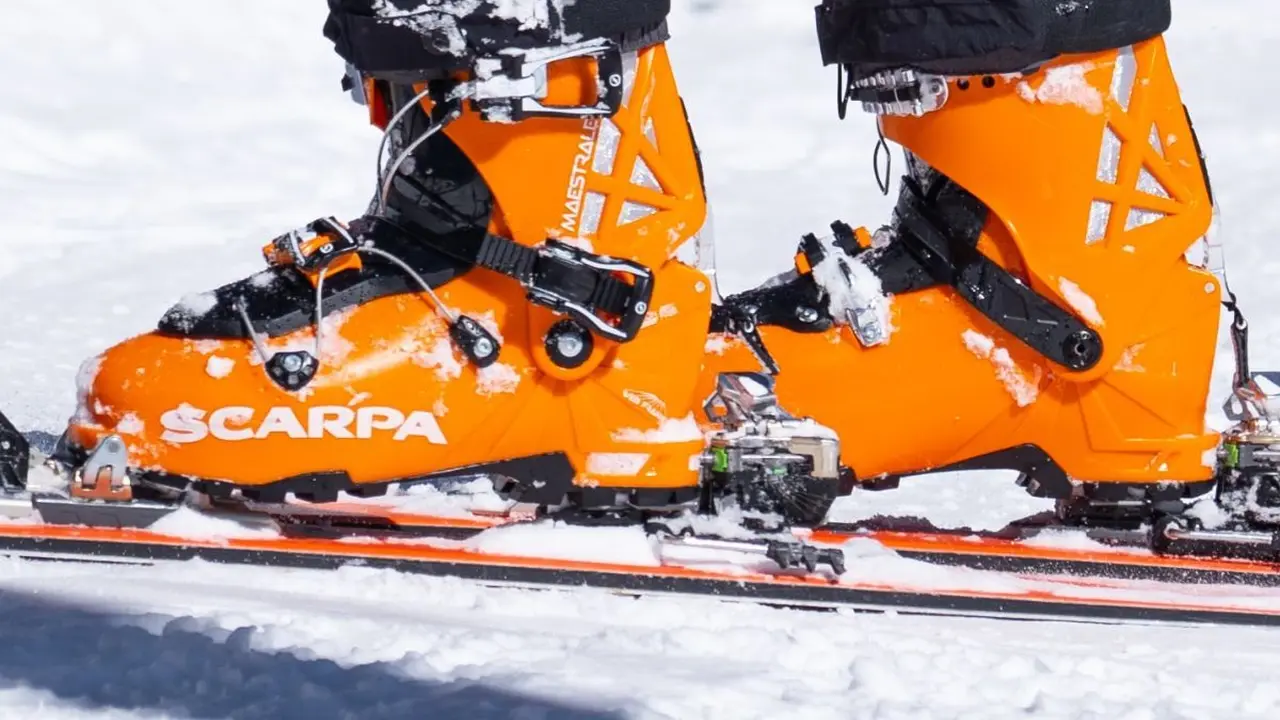
Ski Boots The Most Important Purchase
Seriously, if you buy one thing first, make it ski boots. Ill-fitting boots are the number one cause of discomfort and can ruin your day on the slopes. For beginners, look for boots with a softer flex (around 60-80 for men, 50-70 for women) as they are more forgiving and easier to flex into. Go to a reputable ski shop and get them professionally fitted. It's worth every penny. Expect to pay anywhere from $200 - $500 USD for a good pair of beginner-friendly boots.
Ski Bindings Safety First
Bindings are what connect your boots to your skis. They're crucial for safety, as they're designed to release your boot in a fall to prevent injury. Most beginner skis come with integrated bindings, which are pre-mounted and designed to work perfectly with that specific ski. If you buy skis without bindings, make sure to have them mounted and adjusted by a certified technician at a ski shop. They will set the DIN (release) setting based on your weight, height, age, and skiing ability.
Ski Poles Balance and Rhythm
Poles help with balance, timing, and pushing yourself along flat sections. For beginners, the general rule is that when you hold the pole upside down (grip on the ground) and grab it just under the basket, your elbow should form a 90-degree angle. They're relatively inexpensive, usually ranging from $30 - $80 USD.
Helmet Non Negotiable Safety Gear
Wear a helmet. Period. It's the single most important piece of safety gear. Even on beginner slopes, falls happen, and collisions can occur. Helmets are comfortable, warm, and can literally save your life. Prices range from $50 - $200 USD depending on features and brand.
Goggles Clear Vision is Key
Goggles protect your eyes from sun, wind, and snow. Look for goggles with good ventilation to prevent fogging and lenses that are suitable for varying light conditions (a versatile all-around lens is good for beginners). Expect to pay $40 - $150 USD.
Apparel Layer Up for Comfort
You don't need the most expensive ski jacket and pants, but you do need layers. A good layering system includes:
- Base Layer: Wicks moisture away from your skin (e.g., merino wool or synthetic).
- Mid-Layer: Provides insulation (e.g., fleece jacket).
- Outer Layer: Waterproof and windproof jacket and pants to protect you from the elements.
Avoid cotton, as it absorbs moisture and will make you cold. Good quality ski apparel can range from $200 - $600 USD for a full set, but you can often find good deals or use existing waterproof outerwear.
Tips for Your First Ski Day Making the Most of It
You've got your gear, you've picked your skis, now what? Here are some tips to make your first day on the slopes a success:
Take a Lesson It's Worth It
Seriously, this is the best investment you can make. A certified instructor will teach you the fundamentals correctly, help you avoid bad habits, and get you comfortable much faster than trying to figure it out on your own or with a well-meaning friend. Group lessons are more affordable, but a private lesson can offer more personalized attention.
Start on the Bunny Hill Build Confidence
Don't be tempted to go straight to the green runs. The bunny hill (or magic carpet area) is your friend. It's a gentle slope designed for learning, and it's where you'll practice stopping, turning, and getting comfortable on your skis.
Stay Hydrated and Fueled Energy for Learning
Skiing is a workout! Drink plenty of water throughout the day, and bring snacks like granola bars or fruit to keep your energy levels up. A good lunch break is also essential.
Dress in Layers Adjust to Conditions
The weather on the mountain can change quickly. Dressing in layers allows you to add or remove clothing as needed to stay comfortable.
Take Breaks Rest and Recharge
Learning to ski can be tiring, both physically and mentally. Don't be afraid to take breaks, warm up in the lodge, and rest your legs. You'll learn more effectively if you're not exhausted.
Embrace the Falls It's Part of Learning
You will fall. Everyone does, especially when learning. Don't get discouraged! Learn how to fall safely (try to fall to the side, not straight back) and how to get back up. It's all part of the process.
Have Fun Enjoy the Experience
Most importantly, remember to have fun! Skiing is an amazing experience. Enjoy the fresh air, the beautiful scenery, and the thrill of learning something new. The more relaxed and positive you are, the faster you'll learn and the more you'll enjoy your time on the snow.
Choosing the right beginner skis is a significant step towards a successful and enjoyable skiing journey. By understanding the key characteristics that make a ski beginner-friendly and considering our top recommendations, you're well on your way to finding your perfect pair. Remember to prioritize safety, consider taking a lesson, and most importantly, embrace the learning process with a positive attitude. See you on the slopes!
:max_bytes(150000):strip_icc()/277019-baked-pork-chops-with-cream-of-mushroom-soup-DDMFS-beauty-4x3-BG-7505-5762b731cf30447d9cbbbbbf387beafa.jpg)