Discover the exciting sport of snow kiting. Learn about equipment, safety, and where to try this unique winter activity.
Snow Kiting Introduction Your Ultimate Guide to Winter Wind Sports
Welcome to the exhilarating world of snow kiting! If you've ever dreamed of combining the thrill of skiing or snowboarding with the power of wind, then snow kiting is your next adventure. This guide will take you through everything you need to know, from the basic concepts and essential gear to safety protocols and the best spots to get started. Whether you're a seasoned winter sports enthusiast looking for a new challenge or a complete beginner curious about this dynamic activity, prepare to be captivated by the freedom and speed that snow kiting offers.
What is Snow Kiting Understanding the Basics of Kiting on Snow
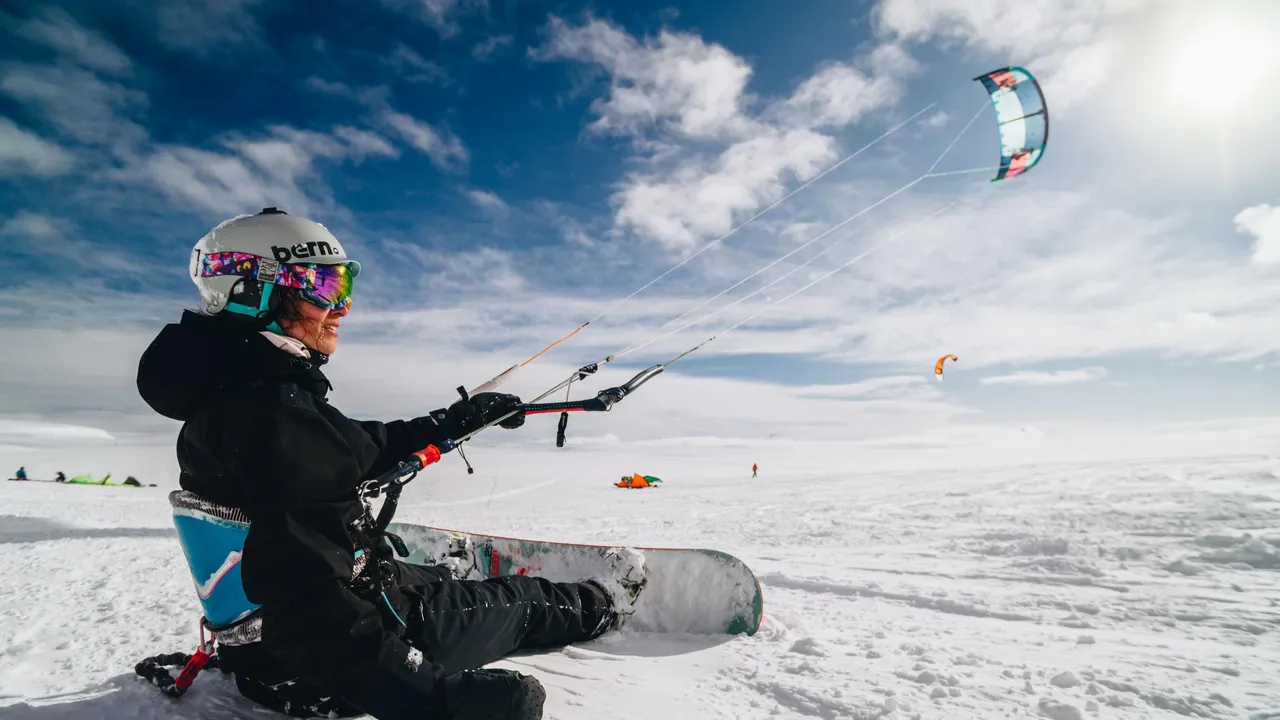
Snow kiting, often referred to as kite skiing or kite snowboarding, is a winter sport where participants use a large steerable kite to harness wind power and glide across snow or ice on skis or a snowboard. It's a unique blend of kiteboarding, skiing, and snowboarding, offering an unparalleled sense of freedom and speed. Unlike traditional skiing or snowboarding where you rely on gravity or lifts, snow kiting allows you to travel across flat terrain, ascend gentle slopes, and even perform impressive jumps and tricks, all powered by the wind.
The core principle is simple: the kite acts as your engine, pulling you across the snow. By manipulating the kite's position in the wind window, you can control your speed and direction. This means you can cruise effortlessly for miles, carve through fresh powder, or even go uphill against gravity, making it an incredibly versatile and exciting sport.
Essential Snow Kiting Equipment Gear Up for Your First Ride
Getting started in snow kiting requires specific equipment to ensure both safety and performance. Here's a breakdown of the key components you'll need:
The Kite Choosing Your Power Source
The kite is the heart of your snow kiting setup. There are primarily two types of kites used for snow kiting: foil kites and inflatable (LEI) kites.
- Foil Kites: These are soft, fabric kites with internal cells that inflate with air to create an aerodynamic shape. They are generally preferred for snow kiting due to their ease of setup, excellent depower capabilities (ability to reduce power quickly), and durability in cold conditions. They pack down small and are less prone to damage from impacts on hard snow or ice.
- Inflatable (LEI) Kites: These kites have inflatable bladders that give them their shape. While more common in water kiteboarding, some riders use them for snow kiting, especially in gusty conditions, as their rigid structure can handle turbulence well. However, they are more susceptible to punctures from sharp ice or rocks and can be harder to re-launch in deep snow.
Product Recommendation: Ozone Hyperlink V4 (Foil Kite)
The Ozone Hyperlink V4 is a highly versatile and popular choice for snow kiting. It's known for its stability, easy handling, and excellent depower, making it suitable for both beginners and experienced riders. It performs well in a wide range of wind conditions and is built with durable materials to withstand the rigors of winter. Prices typically range from $1,200 to $2,500 depending on size.
Product Recommendation: Flysurfer Peak 5 (Single Skin Foil Kite)
For those seeking ultimate portability and simplicity, the Flysurfer Peak 5 is a fantastic single-skin foil kite. It's incredibly lightweight, packs down tiny, and offers impressive low-wind performance. Ideal for backcountry adventures and touring, it's also very forgiving for beginners. Expect to pay between $1,000 and $2,000.
The Control Bar and Lines Your Connection to the Wind
The control bar is what you hold to steer the kite. It's connected to the kite via lines (typically 4 or 5 lines). The bar allows you to pull on the lines to steer the kite and also features a depower system, usually a cleat or clamcleat, to adjust the kite's power. A reliable safety system, such as a quick-release mechanism, is crucial for instantly de-powering the kite in emergencies.
The Harness Your Power Transfer System
A harness is worn around your waist or seat and connects to the control bar. This transfers the kite's pull from your arms to your core, allowing you to ride for longer periods without arm fatigue. Waist harnesses are common for their freedom of movement, while seat harnesses offer more support and are often preferred by beginners or those with back issues.
Product Recommendation: Mystic Warrior X Harness (Waist Harness)
The Mystic Warrior X is a top-tier waist harness known for its comfort, support, and durability. It features a stiff backplate for excellent load distribution and a comfortable fit, making it ideal for long sessions on the snow. Price: Around $200-$250.
Skis or Snowboard Your Ride of Choice
You can snow kite on either skis or a snowboard. The choice depends on your personal preference and existing skills.
- Skis: Offer more stability and are generally easier for beginners to learn on, especially for going upwind. Wider, all-mountain or freeride skis are often preferred for their float in powder and stability.
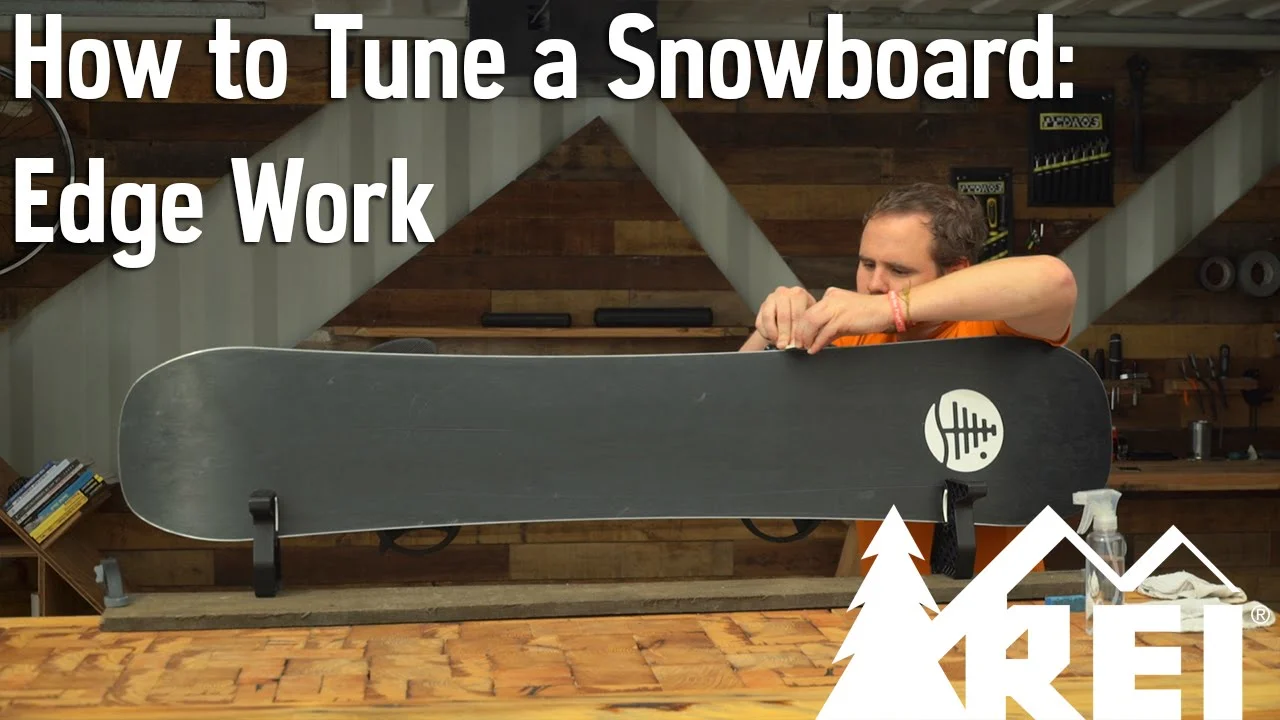
- Snowboard: Provides a more surf-like feel and is excellent for carving and freestyle tricks. A freeride or all-mountain board with good edge hold is recommended.
Product Recommendation (Skis): Armada ARV 106
The Armada ARV 106 is a versatile all-mountain ski that excels in various snow conditions, from powder to groomed runs. Its playful yet stable nature makes it a great choice for snow kiting, offering good float and maneuverability. Price: Around $600-$800 (skis only).
Product Recommendation (Snowboard): Jones Flagship
The Jones Flagship is a highly regarded freeride snowboard known for its stability at speed and excellent edge hold. It's perfect for cruising vast open spaces and tackling varied terrain while kiting. Price: Around $600-$750 (board only).
Helmet and Protective Gear Safety First on the Snow
A helmet is non-negotiable. You'll also want to consider impact shorts, knee pads, and wrist guards, especially when learning. Eye protection (goggles or sunglasses) is also essential to protect against glare and wind.
Product Recommendation: Smith Vantage Helmet
The Smith Vantage is a premium helmet offering excellent protection, ventilation, and comfort. It's lightweight and features MIPS technology for enhanced safety. Price: Around $200-$250.
Warm Clothing and Layering Staying Comfortable in Winter
Dress in layers to adapt to changing conditions. A waterproof and windproof outer shell is crucial. Don't forget warm gloves or mittens, and a neck gaiter or balaclava.
Safety Considerations for Snow Kiting Prioritizing Your Well-being
Snow kiting, while incredibly fun, carries inherent risks. Understanding and mitigating these risks is paramount. Never attempt to learn snow kiting without proper instruction.
Professional Instruction The Smart Start
Taking lessons from a certified instructor is the single most important safety measure. They will teach you:
- Wind Theory: How wind works, wind windows, and understanding wind direction and strength.
- Kite Control: Launching, landing, steering, and emergency depower.
- Safety Systems: How to use your quick-release and other safety mechanisms.
- Self-Rescue: What to do if you get into trouble far from shore or help.
- Right of Way Rules: How to interact safely with other riders.
Weather Awareness Reading the Conditions
Always check the weather forecast before heading out. Pay attention to wind speed and direction, temperature, and visibility. Avoid kiting in:
- Gusty Winds: Unpredictable gusts can make kite control difficult and dangerous.
- High Winds: Beyond your skill level or the kite's recommended range.
- Low Visibility: Fog, heavy snow, or whiteout conditions can lead to disorientation and collisions.
- Thunderstorms: Lightning is extremely dangerous when holding a kite.
Location Selection Choosing Your Spot Wisely
Choose a wide-open, obstacle-free area for kiting. Avoid:
- Trees and Power Lines: These are major hazards for kites and lines.
- Roads and Buildings: Kiting too close to these can be dangerous for you and others.
- Crowded Areas: Give yourself and others plenty of space.
- Thin Ice: If kiting on frozen lakes, ensure the ice is thick enough to support you and your gear.
Pre-Flight Checks Inspecting Your Gear
Before every session, thoroughly inspect your kite, lines, bar, and harness for any signs of wear, tear, or damage. A small fray in a line can lead to a major accident.
Buddy System Never Ride Alone
Always kite with a buddy. They can assist you in launching and landing your kite, and provide help in case of an emergency.
Where to Snow Kite Best Locations and Conditions
The beauty of snow kiting is its versatility. You can kite on vast frozen lakes, open snow-covered fields, or even gentle mountain slopes. Here are some characteristics of ideal snow kiting locations:
Open Spaces Flat and Unobstructed Terrain
Look for large, flat, open areas with consistent wind. Frozen lakes are often perfect, as are large agricultural fields after a good snowfall. The absence of trees, power lines, and buildings is crucial for safety and uninterrupted wind flow.
Consistent Wind Reliable Power
Steady, consistent wind is key. Avoid areas known for turbulent or gusty winds, which can make kiting challenging and dangerous. Wind speeds typically range from 10-25 knots (18-46 km/h) for most riders, depending on kite size and skill level.
Good Snow or Ice Cover Optimal Riding Surfaces
A smooth, consistent snowpack or solid ice surface is ideal. Deep, unconsolidated powder can be challenging for beginners, while icy patches can be slippery. A few inches of fresh snow over a firm base is often perfect.
Popular Snow Kiting Destinations Global Hotspots
While you can snow kite almost anywhere with snow and wind, some locations are renowned for their ideal conditions and established kiting communities:
- USA:
- Lake Mille Lacs, Minnesota: A massive frozen lake offering vast open spaces and consistent winds.
- Jackson Hole, Wyoming: Known for its deep powder and stunning mountain backdrops, with specific kiting zones.
- Utah (various locations): Many high-altitude plains and frozen reservoirs offer excellent kiting.
- Canada:
- Lake Winnipeg, Manitoba: Another huge frozen lake, a mecca for snow kiters.
- Revelstoke, British Columbia: Offers a mix of flat and mountain kiting opportunities.
- Europe:
- Hardangervidda, Norway: A vast mountain plateau, famous for its strong, consistent winds and epic touring.
- Reschensee, Italy: A picturesque frozen lake with a submerged church tower, offering stunning views while kiting.
- Silvaplana, Switzerland: A high-altitude lake in the Engadin valley, known for its reliable thermal winds.
- Asia (Emerging Destinations):
- While less established than North America or Europe, countries with significant snowfall and open terrain like parts of Japan (Hokkaido) and Mongolia are starting to see interest in snow kiting, particularly in their vast, unpopulated areas. These are often more for adventurous, self-sufficient kiters.
Learning to Snow Kite Your Progression Path
Learning snow kiting is a progressive process. Here's a typical learning curve:
Step 1 Kite Control on Land Mastering the Basics
Your first lessons will focus on understanding the wind window and how to control a small training kite. You'll learn launching, landing, steering, and emergency depower. This is done without skis or a snowboard, allowing you to focus solely on kite handling.
Step 2 Adding the Board or Skis Integrating Your Ride
Once you're comfortable with kite control, you'll introduce your skis or snowboard. You'll start with basic movements, like standing up, moving in a straight line, and then progressing to turning and stopping. The goal is to coordinate your body movements with the kite's pull.
Step 3 Upwind and Downwind Riding Navigating the Wind
Learning to ride both upwind (against the wind) and downwind (with the wind) is crucial for independent kiting. This involves understanding edge control on your skis/board and how to position the kite to generate the desired pull and angle.
Step 4 Advanced Techniques Jumps and Tricks
Once you're proficient in basic riding, you can start exploring more advanced techniques like jumps, grabs, and rotations. The possibilities are endless, limited only by your imagination and skill.
Comparing Snow Kiting with Other Winter Sports A Unique Thrill
How does snow kiting stack up against its winter cousins?
Snow Kiting vs. Downhill Skiing/Snowboarding Gravity vs. Wind
Traditional downhill sports rely on gravity and groomed slopes or backcountry descents. Snow kiting, however, is wind-powered, allowing you to explore vast, flat, or gently rolling terrain. You're not limited by lifts or the top of a mountain. It offers a sense of exploration and freedom that downhill sports can't match on flat ground.
Snow Kiting vs. Cross-Country Skiing Speed and Effort
Cross-country skiing is an excellent workout and a peaceful way to explore winter landscapes. Snow kiting can also be a workout, but it offers significantly higher speeds and the ability to cover vast distances with less physical effort once you've mastered the technique. It's less about sustained physical exertion and more about harnessing natural power.
Snow Kiting vs. Ice Skating Surface and Power
Ice skating is about gliding on smooth ice using your own propulsion. Snow kiting on ice takes that to a whole new level, allowing for incredible speeds and effortless glides across frozen surfaces, powered by the wind. It's a much more dynamic and expansive experience.
The Future of Snow Kiting Innovation and Growth
Snow kiting continues to evolve with advancements in kite design, materials, and safety systems. Lighter, more efficient kites are making the sport accessible in lighter winds, and improved safety features are making it safer for beginners. As more people discover the thrill of winter wind sports, the community is growing, leading to more organized events, schools, and dedicated kiting zones.
The environmental footprint of snow kiting is also minimal, as it relies solely on wind power, making it an attractive option for eco-conscious adventurers. As technology progresses, we might see even more integrated smart features in gear, further enhancing the experience.
So, if you're ready to embrace the wind and transform your winter adventures, snow kiting awaits. It's a sport that promises not just adrenaline and speed, but also a profound connection with nature and an unparalleled sense of freedom across the snowy plains.
:max_bytes(150000):strip_icc()/277019-baked-pork-chops-with-cream-of-mushroom-soup-DDMFS-beauty-4x3-BG-7505-5762b731cf30447d9cbbbbbf387beafa.jpg)