Snowboard Leash Safety Importance
Why a Snowboard Leash is Essential for Rider Safety
The primary function of a snowboard leash is to keep your board attached to you, even if your bindings fail or you accidentally step out of them. Imagine you're at the top of a steep run, adjusting your bindings, and your board slips away. Without a leash, that board becomes a dangerous projectile, hurtling down the mountain at high speeds. It could injure other riders, damage property, or even cause a serious accident. A runaway board is not just an inconvenience; it's a liability. Many resorts have strict rules about leashes precisely because of these safety concerns. Ignoring this simple safety measure can lead to fines, loss of lift pass, or worse, a serious injury to yourself or someone else.
Preventing Runaway Snowboards and Accidents on the Slopes
A runaway snowboard can gain incredible momentum, especially on icy or steep terrain. It can act like a missile, posing a severe threat to anyone in its path. Think about a crowded day on the mountain – a loose board could easily collide with a child, an elderly person, or another rider, leading to broken bones, concussions, or worse. The leash acts as a fail-safe, ensuring that even if your boot comes out of the binding, your board remains tethered to you. This prevents it from becoming a hazard and gives you time to regain control or retrieve your board safely. It's a small investment that offers immense peace of mind and protection for everyone on the mountain.
Understanding Different Types of Snowboard Leashes and Their Features
While the basic function of a snowboard leash is universal, there are a few different types available, each with its own features and attachment methods. Understanding these can help you choose the one that best suits your needs.
Coiled Leashes for Compact Storage and Flexibility
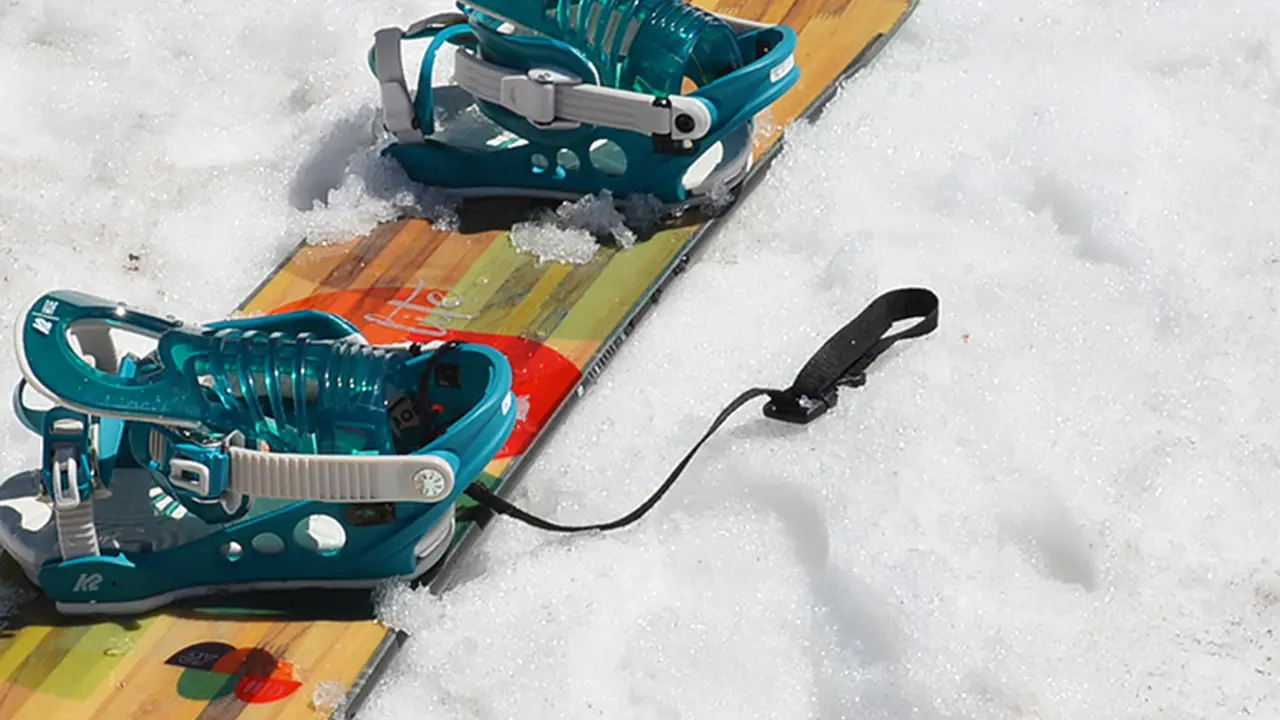
Coiled leashes are perhaps the most common type. They resemble a telephone cord, coiling up when not extended. This design keeps them compact and out of the way when you're riding, but allows them to stretch significantly when needed. They typically attach to your boot or binding with a small loop and to your board with an adhesive pad or a screw-in attachment point. Their flexibility makes them comfortable and less prone to tangling.
Webbing Leashes for Durability and Secure Attachment
Webbing leashes are made from flat, durable nylon or polyester webbing. They are generally less elastic than coiled leashes but offer superior strength and resistance to wear and tear. These often feature a buckle or clip system for attachment to your boot or binding, and a more robust connection to the board, sometimes integrated directly into the binding itself. They are a good choice for riders who prioritize maximum durability and a very secure connection.
Integrated Leashes within Snowboard Bindings
Some modern snowboard bindings come with an integrated leash system. This means the leash is built directly into the binding, often as a small retractable cord or a loop that can be pulled out when needed. This offers the ultimate convenience, as you don't have to remember to attach a separate leash. However, if the integrated leash breaks, you might need to replace the entire binding component or resort to an external leash.
How to Properly Attach and Use Your Snowboard Leash for Maximum Security
Proper attachment of your snowboard leash is just as important as having one. A poorly attached leash can be ineffective or even dangerous.
Connecting the Leash to Your Snowboard Boot or Binding
Most leashes have a loop or clip that attaches to your snowboard boot or binding. For boot attachment, thread the loop through a sturdy part of your boot, such as a lace loop or a dedicated leash attachment point. Ensure it's snug but not so tight that it restricts movement or causes discomfort. If attaching to your binding, look for a designated loop or D-ring. Always double-check that the connection is secure before heading out.
Securing the Leash to Your Snowboard Deck or Binding Plate
The other end of the leash attaches to your snowboard. Many leashes come with an adhesive pad that sticks to the top sheet of your board. Clean the area thoroughly before applying the pad to ensure a strong bond. Some leashes have a small screw that goes into one of the binding insert holes, offering a more permanent and secure connection. If your binding has an integrated leash, simply pull it out and attach it to your boot. Always ensure the leash is long enough to allow for comfortable movement but short enough to prevent the board from getting too far away if it detaches.
Top Snowboard Leash Products and Their Features
While a snowboard leash might seem like a simple accessory, there are several reliable options on the market. Here are a few popular choices, their features, and approximate pricing.
Burton Leash: Reliable and Widely Available
Burton is a leading brand in snowboarding, and their leashes are no exception. The Burton Leash is a classic coiled design, known for its durability and ease of use. It typically features a strong nylon webbing loop for boot attachment and a sturdy adhesive pad for board connection. It's a no-frills, reliable option that gets the job done. You can find it at almost any snowboard shop. It's a great choice for beginners and experienced riders alike who want a straightforward, dependable leash.
- Features: Coiled design, strong webbing loop, adhesive board pad.
- Use Case: All-around general use, suitable for all skill levels.
- Price: Approximately $10 - $15 USD.
Dakine Leash: Durable and Secure Options
Dakine offers a range of snowboard accessories, and their leashes are well-regarded for their robust construction. The Dakine Snowboard Leash often comes in a coiled design with a slightly thicker cord for added strength. Some models might feature a small carabiner clip for easier attachment to your boot or binding. Dakine products are known for their quality, so you can expect this leash to withstand regular use and harsh winter conditions. It's a solid choice for riders who want extra peace of mind regarding durability.
- Features: Durable coiled cord, secure attachment options, often with a carabiner.
- Use Case: Riders seeking enhanced durability and a secure connection.
- Price: Approximately $12 - $18 USD.
Flow Snowboard Leash: Integrated and Convenient
Flow bindings are known for their rear-entry system, and some of their models come with an integrated leash. The Flow Snowboard Leash, when integrated, is a small, retractable cord that pulls out from the binding itself. This offers unparalleled convenience as you never have to worry about forgetting your leash. If you own Flow bindings, checking for this integrated feature is a good idea. If not, Flow also offers standalone leashes that are designed to complement their binding systems.
- Features: Often integrated into Flow bindings, retractable design, ultimate convenience.
- Use Case: Riders with Flow bindings, or those prioritizing seamless integration.
- Price: Integrated with binding purchase; standalone leashes around $10 - $15 USD.
K2 Snowboard Leash: Simple and Effective
K2, another major player in the snow sports industry, offers simple yet effective snowboard leashes. The K2 Snowboard Leash typically features a straightforward coiled design with reliable attachment points. They focus on functionality and ease of use, making them a great option for riders who prefer a no-fuss approach. K2 leashes are generally affordable and widely available, making them an accessible choice for anyone needing a replacement or a first-time leash.
- Features: Simple coiled design, reliable attachment, user-friendly.
- Use Case: Riders looking for a basic, effective, and affordable leash.
- Price: Approximately $8 - $12 USD.
Comparison of Snowboard Leash Products
When comparing these products, the main differences lie in their design (coiled vs. webbing vs. integrated), the strength of their materials, and their attachment mechanisms. Burton and Dakine offer very reliable coiled options, with Dakine often having a slight edge in perceived durability. Flow stands out for its integrated solutions, which are incredibly convenient if you use their bindings. K2 provides a solid, budget-friendly option that performs well for its price point. Ultimately, the 'best' leash depends on your personal preference for attachment style, your budget, and whether you prioritize maximum durability or ultimate convenience.
Resort Regulations and Why Leashes are Often Mandatory
It's crucial to be aware of resort regulations regarding snowboard leashes. In many places, especially in North America and Europe, leashes are not just recommended but are mandatory. This rule is enforced for the safety of all patrons. Resorts have a responsibility to minimize hazards on their slopes, and runaway snowboards are a significant one. Failing to use a leash can result in immediate removal from the mountain, a revoked lift pass, or even legal repercussions if your board causes an accident. Always check the specific rules of the resort you're visiting before you hit the slopes. It's a small step that can save you a lot of trouble and ensure a safer experience for everyone.
Beyond Safety The Convenience Factor of a Snowboard Leash
While safety is the paramount reason for using a snowboard leash, there's also a convenience factor. Imagine you're getting off the lift, and your board slips from your grasp. With a leash, it simply dangles by your side, easily retrievable. Without one, you might be chasing it down the slope, potentially losing valuable riding time or even having to hike back up to retrieve it. This is especially true in high-traffic areas like lift lines or at the top of runs. A leash ensures your board stays with you, making transitions smoother and preventing those frustrating moments of a runaway board.
Common Misconceptions About Snowboard Leashes Debunked
Despite their importance, some riders have misconceptions about leashes.
Myth 1 Leashes are Only for Beginners
This is absolutely false. Even the most experienced riders can have a binding malfunction or accidentally step out of their board. A leash is a universal safety device, not just for those learning the ropes. Accidents don't discriminate based on skill level.
Myth 2 Leashes are Uncomfortable or Restrictive
Modern leashes are designed to be unobtrusive. When properly attached, you should barely notice it. They are flexible enough to allow for full range of motion while riding. Any discomfort usually stems from improper attachment or a leash that's too short.
Myth 3 My Bindings are Secure Enough
While modern bindings are incredibly secure, mechanical failures can happen. Straps can break, buckles can snap, or screws can come loose. A leash acts as a crucial backup, ensuring that even if your primary connection fails, your board remains tethered to you.
Maintaining Your Snowboard Leash for Longevity and Reliability
Like any piece of gear, your snowboard leash benefits from a little care. Regularly inspect your leash for signs of wear and tear, such as frayed webbing, stretched coils, or cracks in adhesive pads. If you notice any significant damage, replace it immediately. Clean off any dirt or debris after use, especially if it's been exposed to mud or salt. Store it in a dry place away from direct sunlight to prevent material degradation. A well-maintained leash will serve you reliably for many seasons.
The Small Investment for Big Safety Returns
In the grand scheme of snowboarding gear, a leash is one of the least expensive items you'll buy. Yet, its potential to prevent serious accidents and injuries is immense. It's a small investment that offers significant safety returns, protecting not only yourself but also everyone else on the mountain. Don't skip this essential piece of equipment. Make it a habit to always attach your snowboard leash before you drop in, and enjoy your ride with confidence and peace of mind.
:max_bytes(150000):strip_icc()/277019-baked-pork-chops-with-cream-of-mushroom-soup-DDMFS-beauty-4x3-BG-7505-5762b731cf30447d9cbbbbbf387beafa.jpg)