Winter Surfing Cold Water Gear Your Ultimate Guide to Staying Warm
So, you're thinking about hitting the waves when the air bites and the water chills? Winter surfing isn't for the faint of heart, but with the right gear, it's an incredibly rewarding experience. Forget the image of sun-drenched beaches; winter surfing offers uncrowded lineups, powerful swells, and a unique connection with the ocean. But let's be real, the biggest hurdle is the cold. That's where your cold water surfing gear comes in. It's not just about staying warm; it's about staying safe, comfortable, and agile enough to catch those epic winter waves. This comprehensive guide will dive deep into everything you need to know about wetsuits, boots, gloves, and other essential accessories to make your winter surf sessions not just bearable, but truly enjoyable.
The Core of Cold Water Surfing Wetsuits Explained
Your wetsuit is your second skin in cold water. It's the single most important piece of gear you'll invest in. Wetsuits work by trapping a thin layer of water between your body and the neoprene. Your body heat then warms this water, creating an insulating barrier. The thicker the neoprene, the warmer the suit. But thickness also impacts flexibility, so it's a balance.
Wetsuit Thickness Guide Understanding Millimeters for Warmth
- 5/4mm or 6/5mm: These are your go-to for seriously cold water, typically below 50°F (10°C). The first number refers to the thickness in the torso (where you need maximum warmth), and the second to the limbs (where you need more flexibility).
- 4/3mm: Ideal for water temperatures between 50-60°F (10-15°C). This is a versatile option for many winter conditions that aren't extreme.
- 3/2mm: More for cool water, not truly cold. Think late fall or early spring.
Wetsuit Seam Construction Durability and Water Sealing
The way a wetsuit's seams are constructed significantly affects its warmth and durability. This is where water can sneak in, so pay close attention:
- Flatlock Stitching: Found on warmer water suits. The seams are flat, but the stitching goes all the way through the neoprene, allowing some water seepage. Not for cold water.
- Glued and Blind Stitched (GBS): The most common for cold water suits. The neoprene edges are glued together, then stitched on one side (blind stitched) without penetrating all the way through. This creates a watertight seal.
- Sealed and Taped Seams: The best option for maximum warmth and durability. After GBS, a liquid rubber or tape is applied over the seams on the inside (and sometimes outside) to create an even stronger, more watertight seal. Look for this in premium cold water suits.
Wetsuit Entry Systems Back Zip vs Chest Zip vs Zipperless
How you get into your wetsuit also matters for warmth and flexibility:
- Back Zip: Easiest to get into and out of. The long zipper can allow more water flushing, making them generally less warm than chest zips. Good for beginners or those prioritizing ease of entry.
- Chest Zip: More common for cold water. The shorter zipper across the chest reduces water entry and offers better flexibility in the back. Can be a bit trickier to get into.
- Zipperless: Offers the most flexibility and least water entry. You essentially pull the suit over your head. Can be very challenging to get into and out of, especially when wet. Reserved for high-performance surfers.
Recommended Wetsuit Brands and Models for Cold Water Surfing
Here are a few top contenders known for their cold water performance:
O'Neill Psycho Tech 5.5/4+mm Hooded Wetsuit
Description: This is a flagship cold water suit from O'Neill, renowned for its warmth and flexibility. It features Technobutter 3 and Technobutter 3X neoprene, which are incredibly light and stretchy. The F.U.Z.E. (Front Upper Zip Entry) system minimizes water entry, and the fully taped seams ensure maximum warmth. The integrated hood is crucial for heat retention.
Pros: Exceptional warmth, superior flexibility for a thick suit, durable construction, integrated hood. Very comfortable.
Cons: Premium price point. Can be a bit snug to get into initially.
Ideal Use: Extreme cold water surfing (below 45°F / 7°C), long sessions, competitive surfing where flexibility is key.
Estimated Price: $500 - $650 USD
Rip Curl Flashbomb Heat Seeker 6/4mm Hooded Wetsuit
Description: Rip Curl's Flashbomb series is famous for its quick-drying lining (Flash Lining) and incredible warmth. The Heat Seeker takes it a step further with Flex Energy neoprene that generates heat when stretched. It's a chest zip suit with E6 neoprene and E6 Flash Lining throughout, plus internal taping.
Pros: Unmatched warmth, incredibly fast drying (great for multiple sessions), good flexibility, innovative heat-generating technology.
Cons: Very high price point. The Flex Energy can feel a bit stiff initially.
Ideal Use: The absolute coldest conditions, surfers who want to maximize warmth and minimize drying time between sessions.
Estimated Price: $600 - $750 USD
Billabong Furnace Comp 5/4mm Hooded Wetsuit
Description: Designed for performance in cold water, the Furnace Comp uses Billabong's Smart Foam and Graphene-infused lining for excellent warmth-to-weight ratio. It's a chest zip suit with GBS and internal taping. The focus here is on maintaining flexibility for high-performance surfing in cold conditions.
Pros: Great balance of warmth and flexibility, comfortable Graphene lining, good value for a performance suit.
Cons: Not as warm as the absolute thickest suits for extreme conditions, but excellent for most cold water scenarios.
Ideal Use: Cold water surfing where performance and flexibility are prioritized, good for active surfers.
Estimated Price: $400 - $550 USD
Protecting Your Extremities Essential Wetsuit Boots and Gloves
Your hands and feet are often the first to get cold, and once they do, your whole body feels it. Wetsuit boots and gloves are non-negotiable for winter surfing.
Wetsuit Boots Thickness and Sole Design for Grip and Warmth
Boots come in various thicknesses, typically 3mm, 5mm, or 7mm. For true winter surfing, 5mm or 7mm are recommended. Look for:
- Split Toe vs Round Toe: Split toe boots (internal or external) offer better board feel and grip, preventing your foot from sliding around. Round toe boots are generally warmer and easier to get on, but offer less board feel.
- Sole Thickness and Grip: A good sole provides traction on your board and protection when walking over rocks or reef.
- Sealed Seams: Just like wetsuits, GBS or taped seams are crucial for warmth.
Recommended Wetsuit Boots
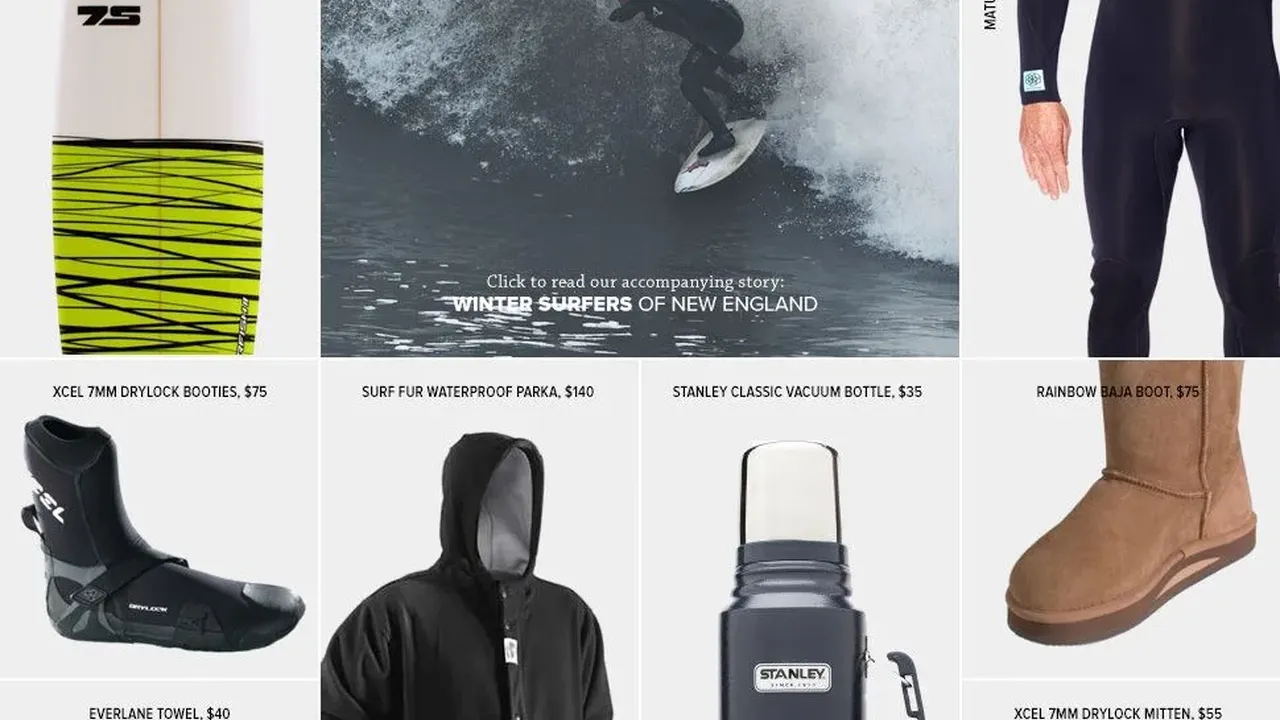
Xcel Drylock 7mm Round Toe Wetsuit Boots
Description: Xcel is a leader in cold water gear, and their Drylock boots are top-tier. The 7mm thickness provides maximum warmth, and the Celliant Black lining helps retain heat. The GBS and external liquid-taped seams ensure no water entry. The sole is durable and grippy.
Pros: Extremely warm, excellent sealing, durable, good grip.
Cons: Can feel a bit bulky due to thickness, less board feel than split toe options.
Ideal Use: The coldest water conditions, long sessions, maximizing foot warmth.
Estimated Price: $80 - $100 USD
Patagonia R4 Yulex 5mm Split Toe Wetsuit Boots
Description: Patagonia's commitment to sustainability shines with their Yulex natural rubber. These 5mm split toe boots offer a great balance of warmth, flexibility, and board feel. They feature GBS and external seam sealing.
Pros: Environmentally friendly material, good warmth for 5mm, excellent board feel, durable.
Cons: Slightly higher price due to sustainable materials.
Ideal Use: Cold to very cold water, surfers who prioritize board feel and sustainability.
Estimated Price: $90 - $110 USD
Wetsuit Gloves Thickness and Dexterity for Paddling
Gloves are often overlooked but are vital. They come in 3mm, 5mm, or 7mm. 5mm or 7mm are best for winter. Consider:
- Three-Finger Mitts vs Five-Finger Gloves: Three-finger mitts (or 'lobster claws') are warmer as they keep fingers together, but offer less dexterity. Five-finger gloves offer more dexterity but are generally less warm.
- Pre-Curved Design: Helps reduce hand fatigue during paddling.
- Grip: Textured palms for better grip on your board.
Recommended Wetsuit Gloves
O'Neill Psycho Tech 5mm 3-Finger Mitts
Description: These mitts are designed for maximum warmth. The 3-finger design keeps your fingers together for better heat retention, while the Technobutter 3 neoprene provides flexibility. GBS and liquid-taped seams prevent water entry.
Pros: Extremely warm, good flexibility for a mitt, durable.
Cons: Less dexterity than five-finger gloves.
Ideal Use: Very cold water, maximizing hand warmth, long sessions.
Estimated Price: $60 - $80 USD
Rip Curl Flashbomb 5mm 5-Finger Wetsuit Gloves
Description: If you need more dexterity, these 5-finger gloves from Rip Curl are a great choice. They feature the quick-drying Flash Lining and E6 neoprene for warmth and flexibility. The textured palm provides excellent grip.
Pros: Good warmth for a 5-finger glove, excellent dexterity, quick-drying lining.
Cons: Not as warm as mitts in extreme cold.
Ideal Use: Cold water where dexterity for grabbing rails or adjusting gear is important.
Estimated Price: $55 - $75 USD
Head Protection The Importance of a Wetsuit Hood
You lose a significant amount of body heat through your head. A wetsuit hood is absolutely essential for cold water surfing. Many cold water wetsuits come with integrated hoods, which are generally the warmest option as they minimize water flushing around the neck. If your wetsuit doesn't have one, you'll need a separate hood.
Integrated Hood vs Separate Hood Pros and Cons
- Integrated Hood: Seamless connection with the wetsuit, less water flushing, generally warmer. Can feel a bit restrictive for some.
- Separate Hood: More versatile (can be used with different wetsuits), easier to put on and take off. Can allow more water flushing around the neck seal.
Recommended Wetsuit Hoods
Billabong Furnace Absolute 3mm Hood
Description: A popular separate hood option, featuring Billabong's Furnace lining for warmth and a comfortable fit. The chin strap helps keep it secure.
Pros: Good warmth, comfortable fit, durable.
Cons: Can allow some water flushing if not perfectly sealed with your wetsuit collar.
Ideal Use: Pairing with a non-hooded cold water wetsuit, or for those who prefer a separate hood.
Estimated Price: $40 - $50 USD
Beyond the Basics Essential Winter Surfing Accessories
While wetsuits, boots, and gloves are the big three, a few other accessories can significantly enhance your winter surfing experience.
Changing Poncho or Robe Quick and Warm Transitions
Getting out of a cold, wet wetsuit in freezing temperatures is a challenge. A changing poncho or robe makes this process infinitely easier and warmer. They provide privacy and a warm layer immediately after your session.
Dryrobe Advance Long Sleeve Changing Robe
Description: The original and arguably the best. Dryrobe offers a waterproof and windproof outer shell with a super warm synthetic lamb's wool lining. It's oversized to allow for easy changing underneath.
Pros: Extremely warm, completely waterproof and windproof, durable, excellent for changing in public or cold conditions.
Cons: Bulky to transport, premium price.
Ideal Use: Post-surf changing in cold weather, staying warm between sessions, general outdoor use.
Estimated Price: $160 - $200 USD
Wetsuit Hanger and Drying Solutions Proper Care for Longevity
Properly drying your wetsuit is crucial for its longevity and to prevent odors. A wide, sturdy hanger designed for wetsuits prevents creasing and allows for airflow.
Wetsuit Hanger by Ho Stevie!
Description: A simple yet effective solution. This hanger is extra wide and sturdy, designed to support the weight of a wet wetsuit without damaging the neoprene. It often features a swivel hook.
Pros: Prevents wetsuit damage, promotes faster drying, affordable.
Cons: None really, it's a basic but essential item.
Ideal Use: Drying and storing your wetsuit properly.
Estimated Price: $15 - $25 USD
Insulated Water Bottle Staying Hydrated and Warm
A hot drink after a cold surf session is pure bliss. An insulated water bottle will keep your tea, coffee, or hot chocolate warm for hours.
Hydro Flask 32 oz Wide Mouth Bottle
Description: Known for its excellent insulation, the Hydro Flask keeps liquids hot for up to 12 hours. The wide mouth is easy to clean and fill.
Pros: Superior insulation, durable, wide mouth for easy cleaning.
Cons: Can be a bit heavy when full.
Ideal Use: Keeping hot beverages warm for post-surf comfort.
Estimated Price: $45 - $55 USD
Surf Wax for Cold Water Enhanced Grip
Regular surf wax can become too hard and slippery in cold water. You need specific cold water wax for optimal grip.
Sticky Bumps Cold/Cool Water Surf Wax
Description: A popular choice, Sticky Bumps cold water wax is formulated to remain tacky and provide excellent grip in colder temperatures.
Pros: Excellent grip in cold water, easy to apply.
Cons: Can melt if left in direct sun or warm car.
Ideal Use: Ensuring maximum traction on your surfboard in cold conditions.
Estimated Price: $2 - $3 USD per bar
Caring for Your Cold Water Gear Maximizing Lifespan
Your cold water gear is an investment. Proper care will ensure it lasts longer and performs better.
Rinsing and Drying Post-Surf Rituals
Always rinse your wetsuit, boots, and gloves thoroughly with fresh, cool water immediately after each session. This removes salt, sand, and chlorine, which can degrade the neoprene. Hang your wetsuit inside out first, then flip it right side out to dry completely. Avoid direct sunlight, as UV rays can damage neoprene. Store your gear in a cool, dry place.
Wetsuit Cleaner and Conditioner Odor and Flexibility
Periodically, use a wetsuit-specific cleaner and conditioner. This helps remove stubborn odors and keeps the neoprene supple and flexible, preventing cracks and tears.
Piss Off Wetsuit Cleaner and Conditioner
Description: A popular and effective solution for cleaning and conditioning wetsuits. It helps eliminate odors and keeps the neoprene soft.
Pros: Effectively cleans and deodorizes, extends wetsuit life.
Cons: Requires an extra step in your cleaning routine.
Ideal Use: Regular deep cleaning and conditioning of wetsuits.
Estimated Price: $10 - $15 USD
Staying Safe in Cold Water Understanding the Risks
Beyond the gear, understanding the physiological risks of cold water surfing is paramount. Hypothermia is a real danger. Always surf with a buddy, know your limits, and be aware of the conditions. If you start shivering uncontrollably, feel disoriented, or experience numbness, get out of the water immediately. Having a warm change of clothes and a hot drink ready is crucial.
Embracing the Chill The Rewards of Winter Surfing
Winter surfing isn't just about braving the cold; it's about experiencing the ocean in its rawest, most powerful form. With the right cold water gear, you'll unlock uncrowded waves, stunning winter landscapes, and a profound sense of accomplishment. It's a test of endurance, a mental challenge, and ultimately, an incredibly rewarding pursuit. So, gear up, paddle out, and enjoy the magic of winter waves!
:max_bytes(150000):strip_icc()/277019-baked-pork-chops-with-cream-of-mushroom-soup-DDMFS-beauty-4x3-BG-7505-5762b731cf30447d9cbbbbbf387beafa.jpg)